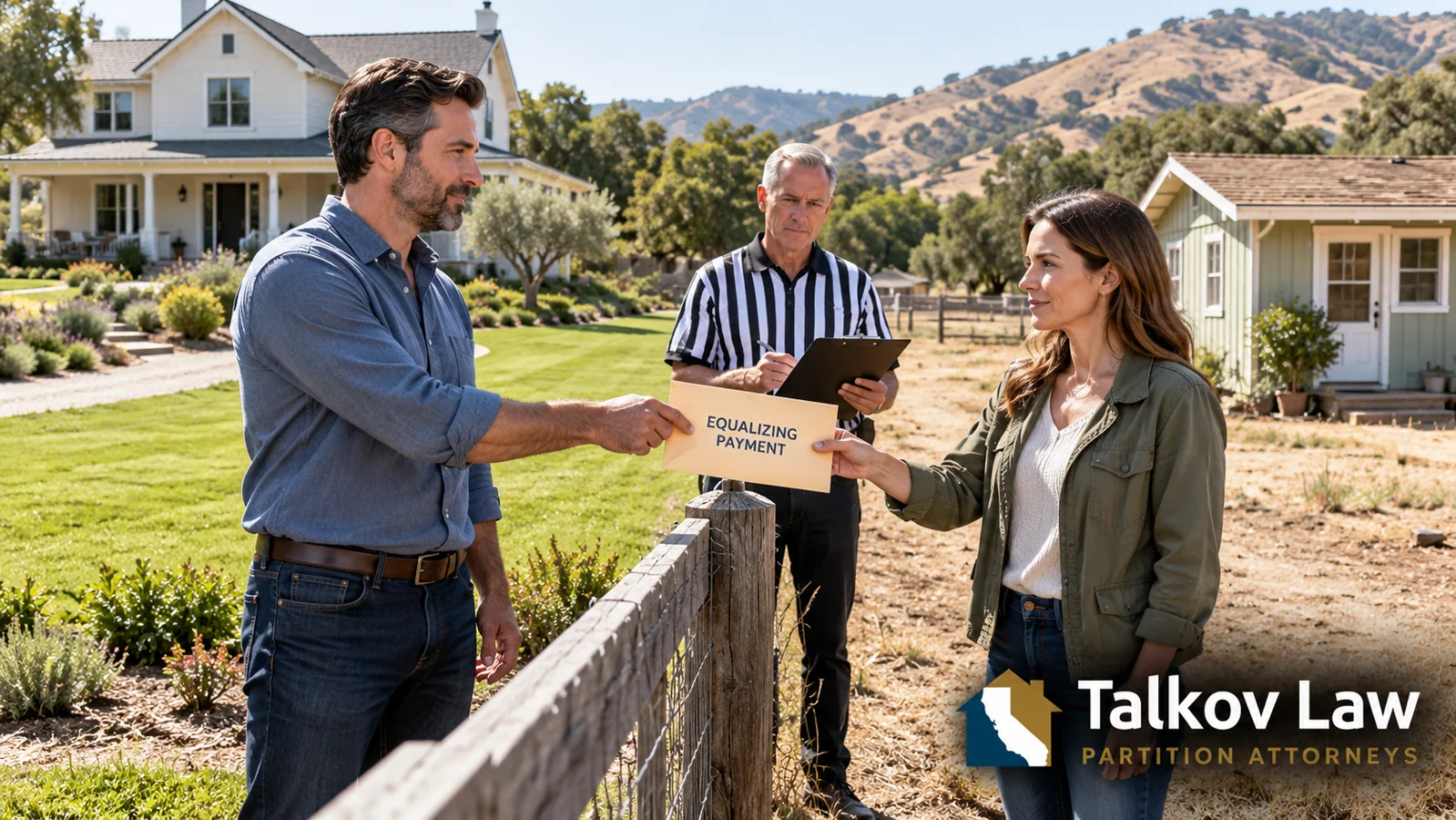
California Code of Civil Procedure § 873.250 – Owelty in a Partition in Kind
Code of Civil Procedure section 873.250 lets the court order owelty, a compensating payment between co-owners, when a partition in kind can’t divide the property equally.
Code of Civil Procedure section 873.250 lets the court order owelty, a compensating payment between co-owners, when a partition in kind can’t divide the property equally.
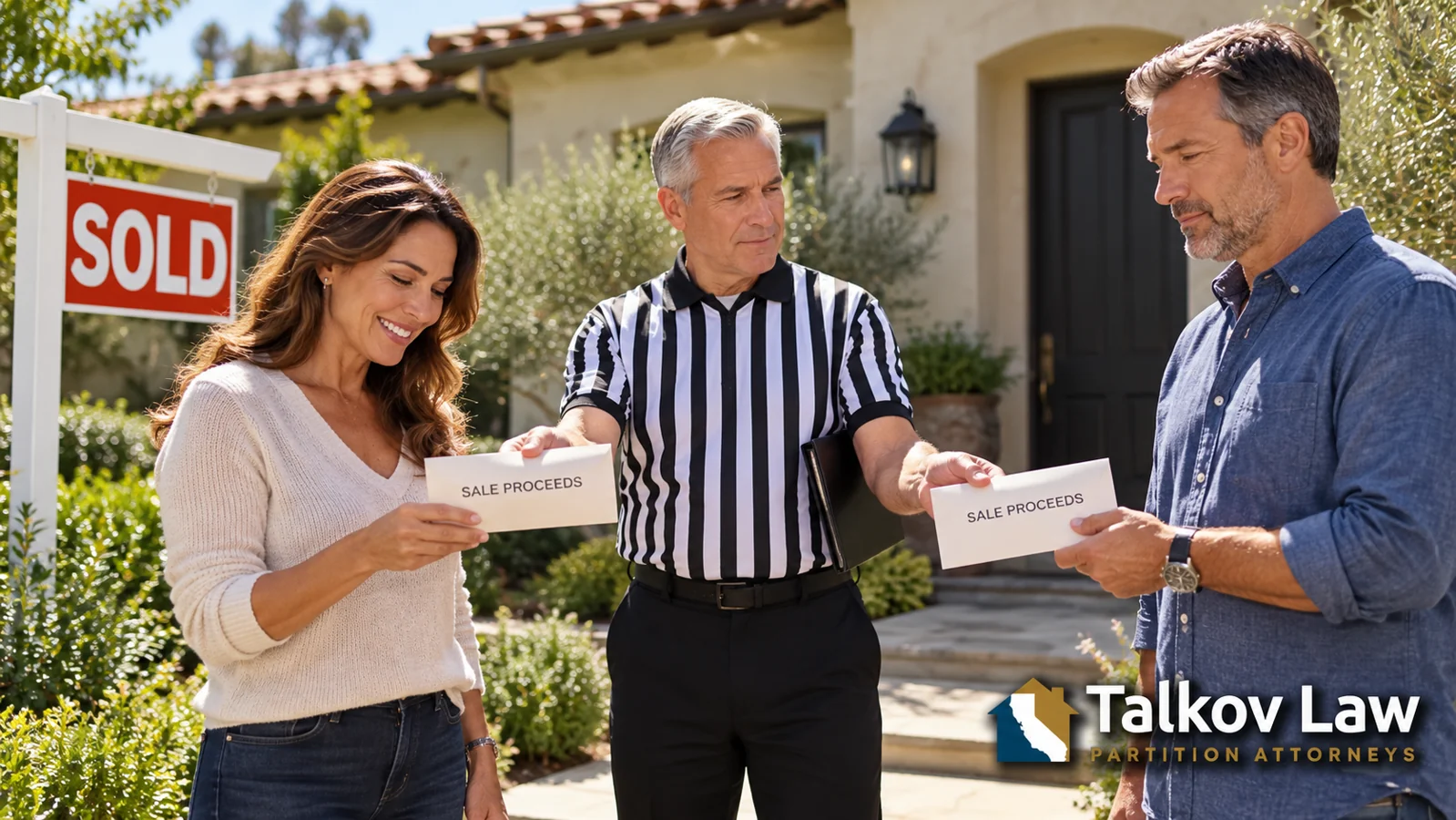
A partition action is a lawsuit in which a California court ends the co-ownership of real property by dividing it or ordering it sold and dividing the proceeds. A co-owner generally can force a sale without the other co-owners’ consent.
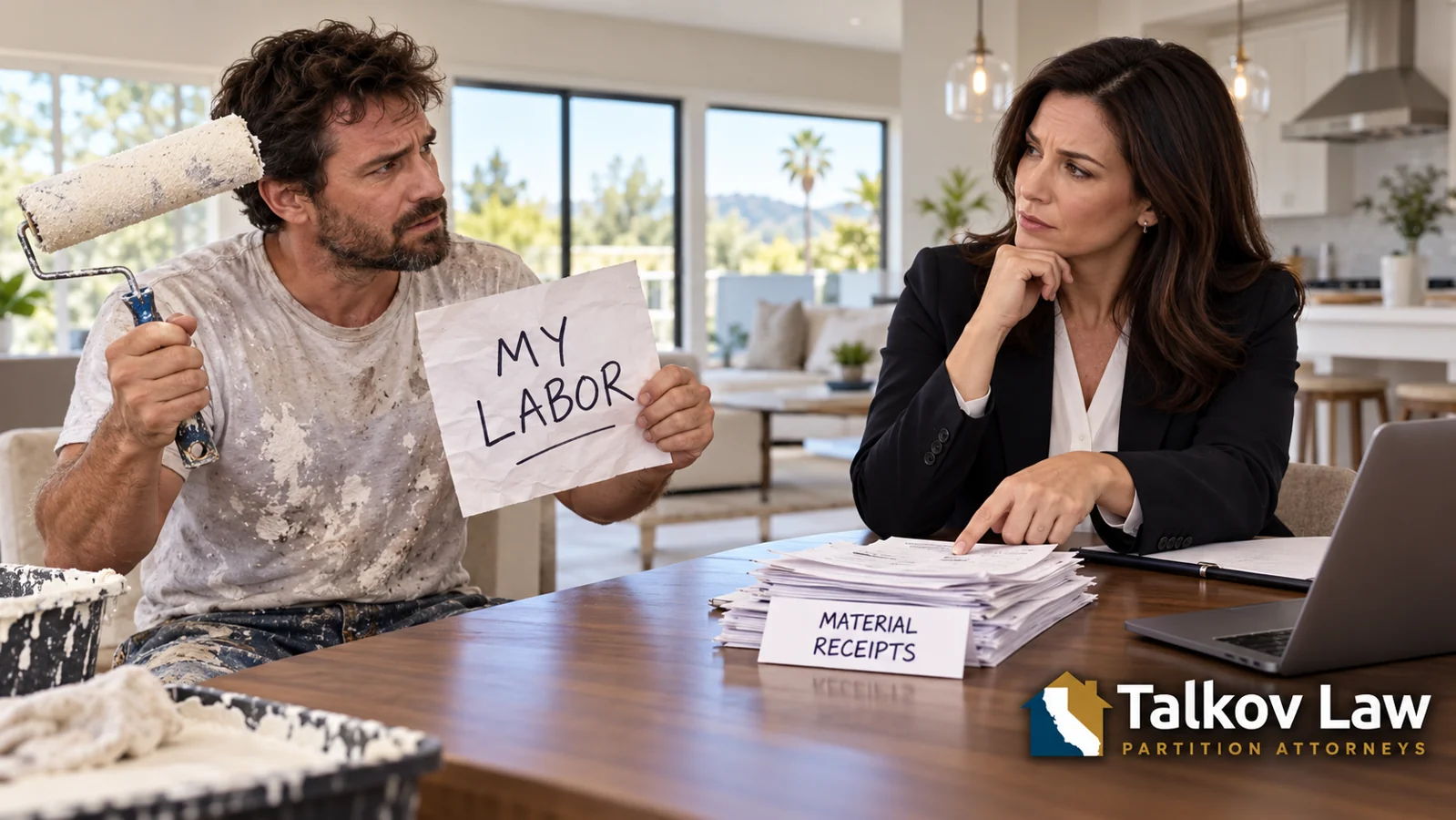
In a partition action, a co-owner who made unequal contributions may recover offsets. Here is whether that includes compensation for your own time and labor on improvements and management.

When a co-owner files bankruptcy, the trustee may sell the co-owned property under section 363(h) of the Bankruptcy Code. Under In re Flynn, the court can still apply California partition offsets.
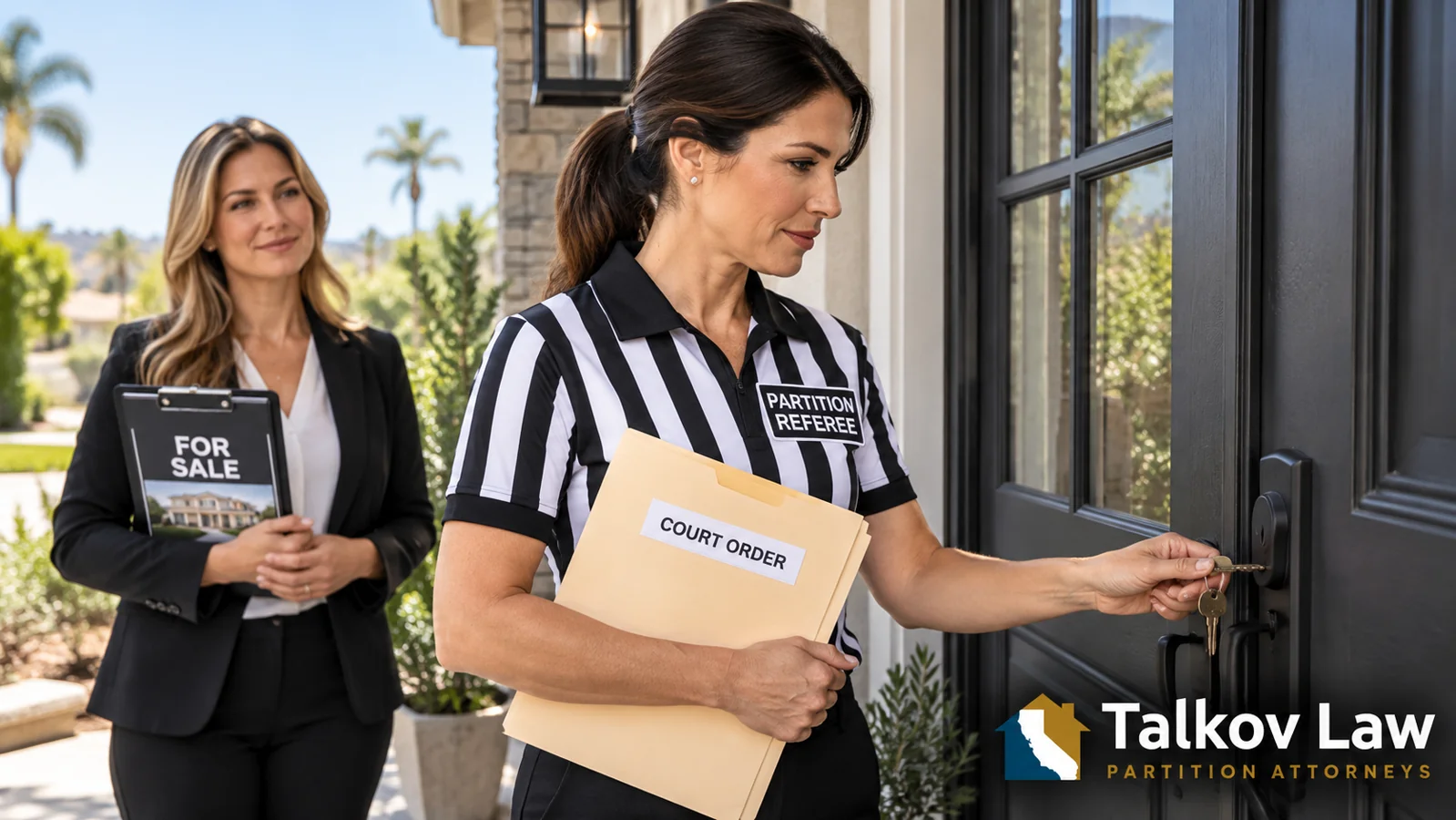
Code of Civil Procedure section 873.060 gives the partition referee authority to perform any acts necessary to carry out the referee’s duties in a partition action.

A co-owner in sole possession who paid all the expenses often expects full reimbursement. Under Hunter v. Schultz, the other co-owner can offset the property’s rental value against those claims.
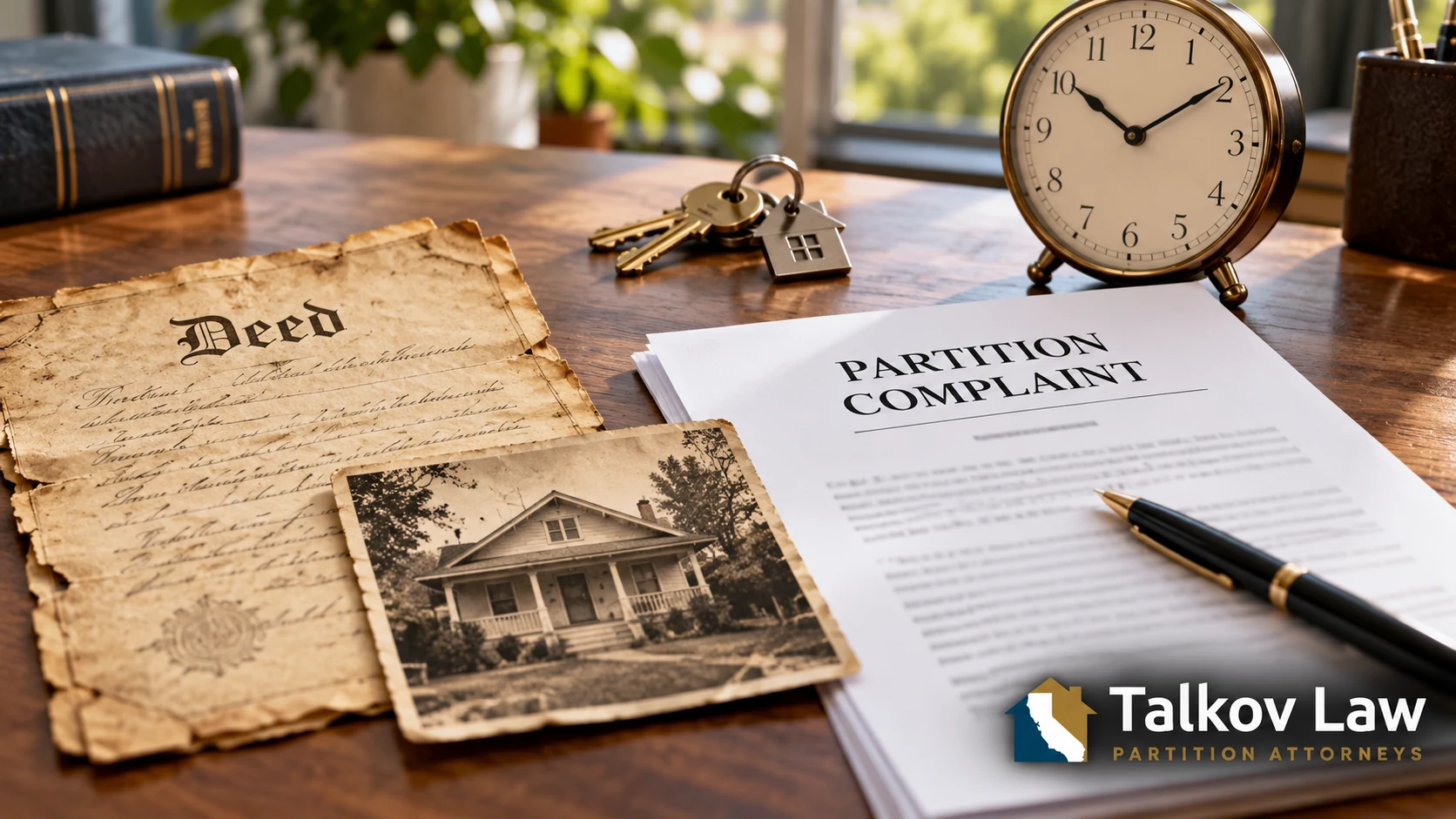
No. Under Adams v. Hopkins, the statute of limitations never bars a partition action between co-owners, unless one owner has already lost title to the other through adverse possession.

Code of Civil Procedure section 873.770 explains how the referee distributes sale proceeds when the buyer is also a party entitled to part of them, as with a credit bid.

Milian v. De Leon (1986) 181 Cal.App.3d 1185 held that once a partition court finds a true joint tenancy, the co-owners generally share equally without reimbursement for unequal contributions.

Moving out doesn’t end your co-ownership rights. Here is when a co-owner in possession may owe rental value to the others in a partition action.

When a sibling or other heir lives in an inherited house and won’t sell, the other heirs can force a sale through a partition action.
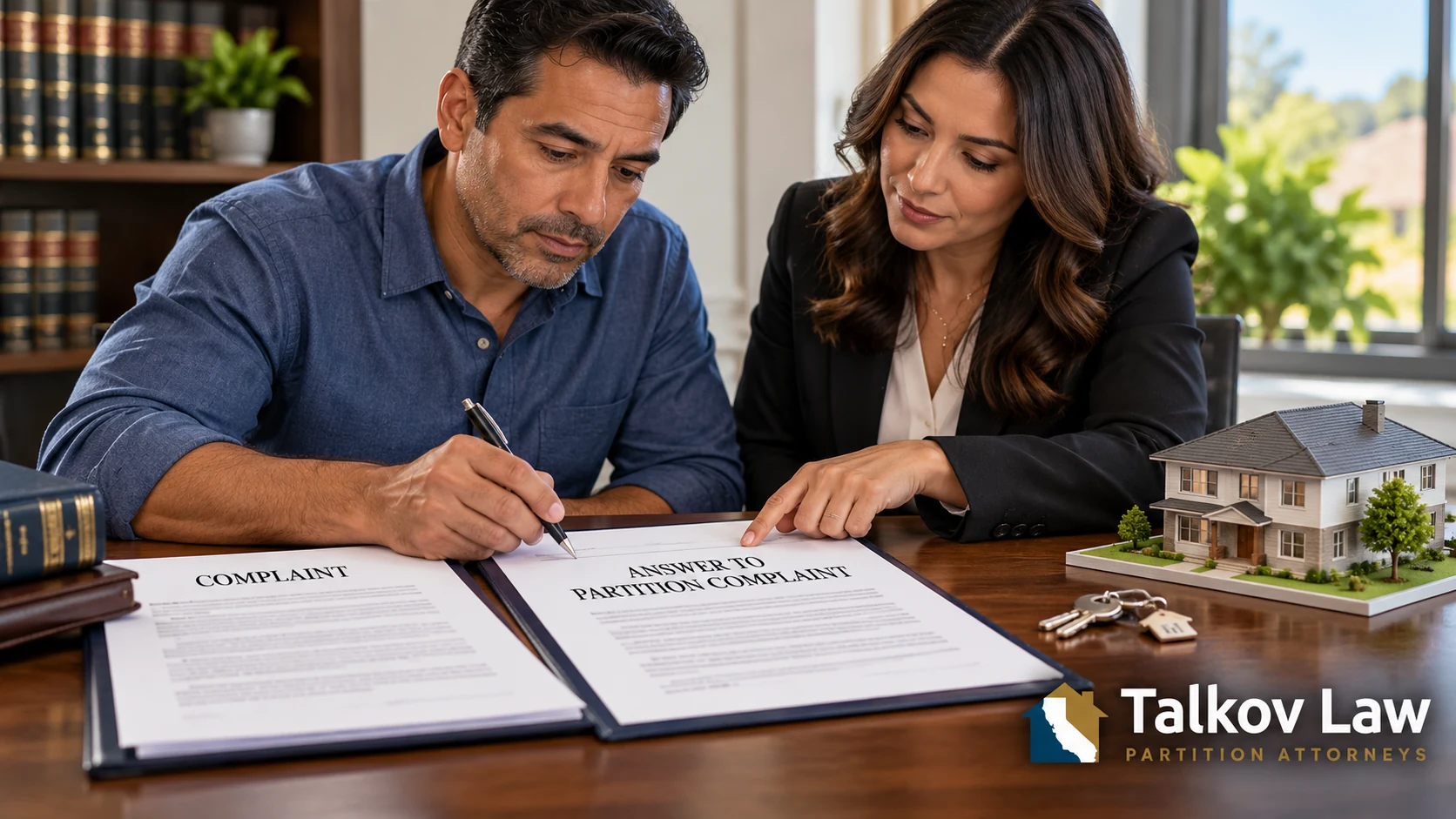
When a partition action is filed, the defendant can respond by filing an answer, a pleading that admits or denies the complaint’s allegations.
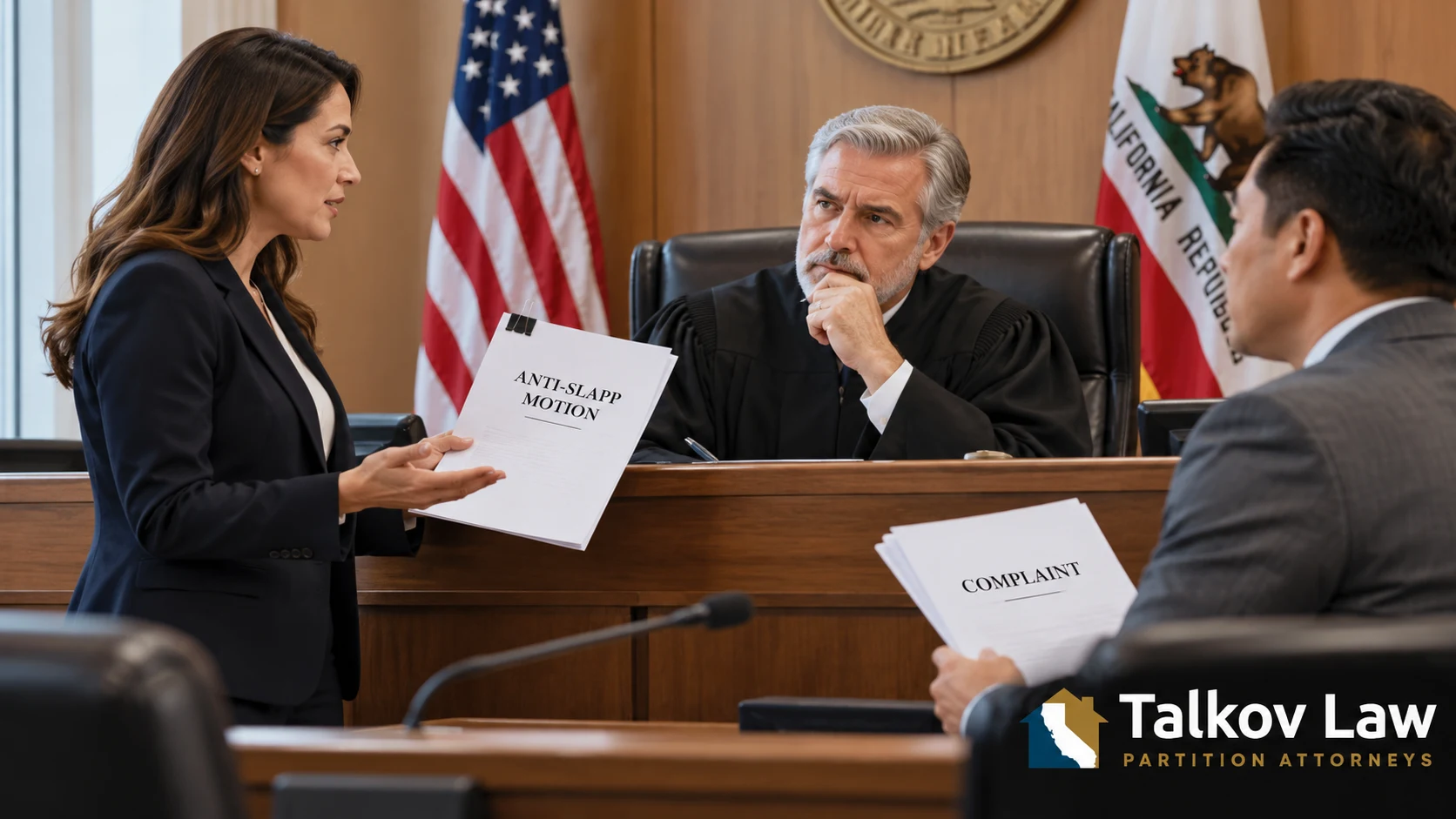
Litigants sometimes name the opposing attorney as a defendant to gain leverage. Under California’s anti-SLAPP statute, that can be a costly mistake that ends with paying the attorney’s fees.

A lien against one co-owner does not have to stop the sale of a co-owned house. Here are five ways to sell a California house when one owner has a lien or judgment.
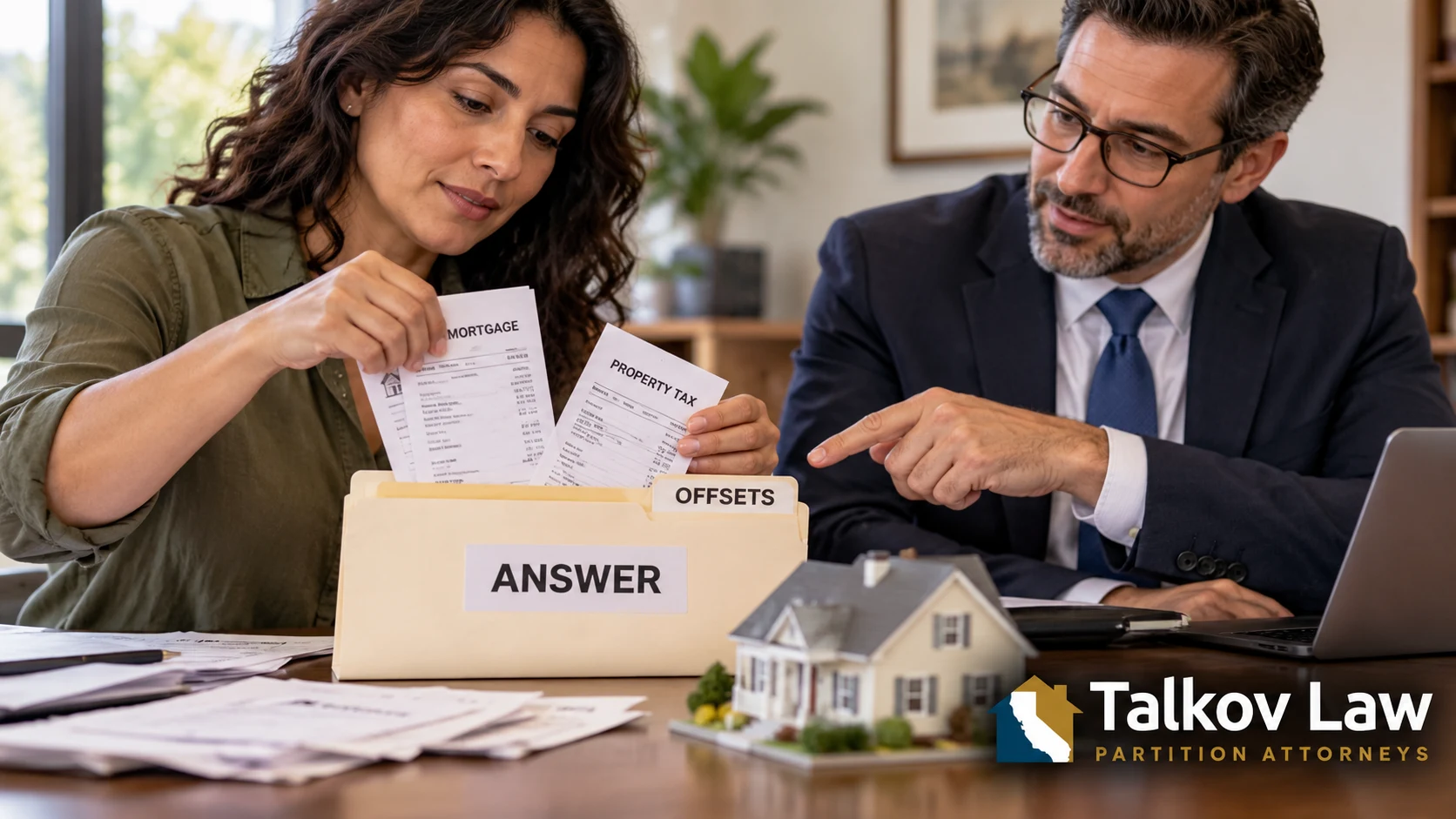
Code of Civil Procedure section 872.430 lets a partition defendant claim contribution or other offsets in the answer itself, without filing a cross-complaint.
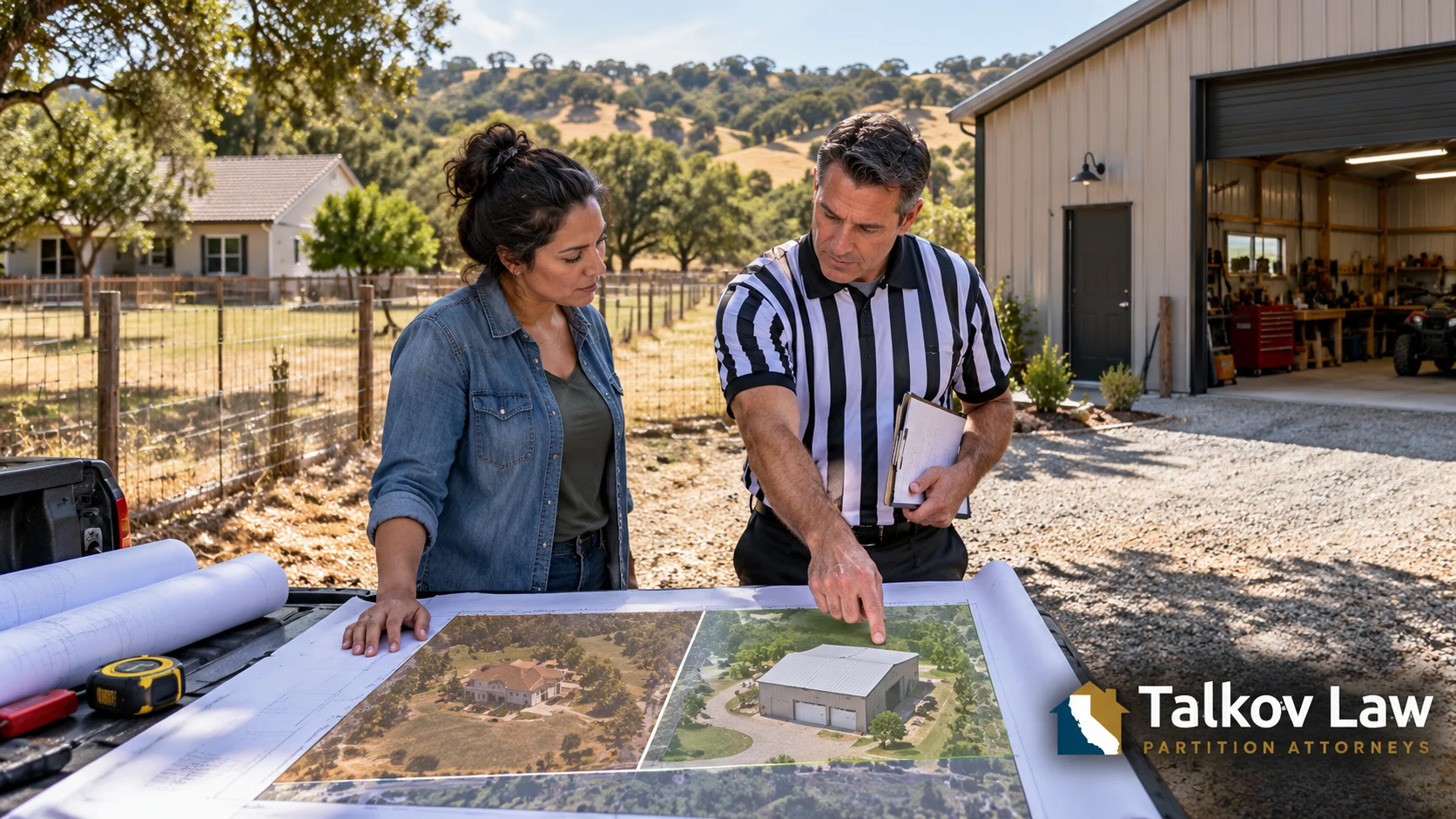
Code of Civil Procedure section 873.220 lets a partition in kind allot to a party the portion of the property that includes improvements that party made.
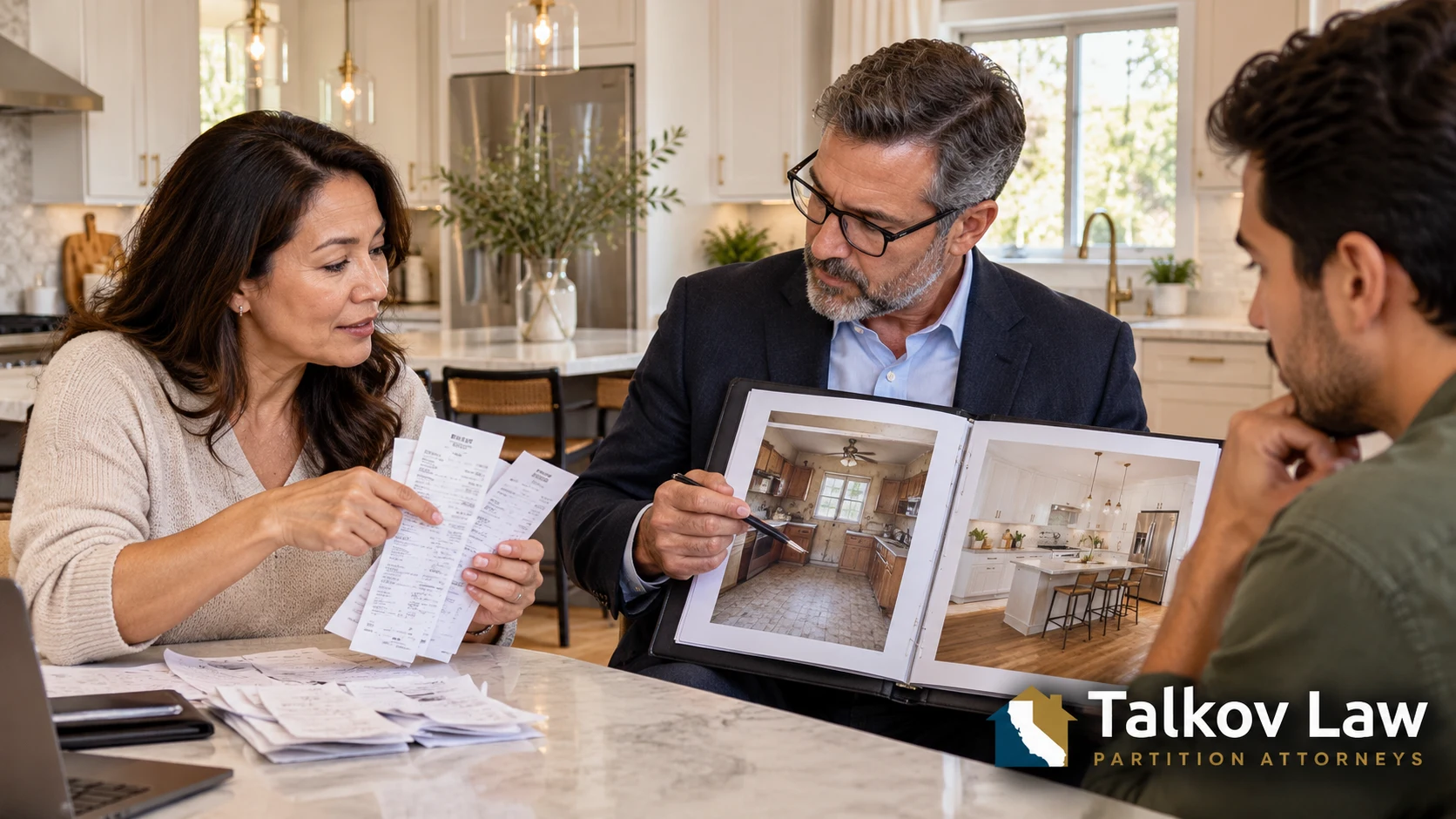
California law allows a co-owner to be compensated for improvements in a partition action, but whether an offset is awarded depends on the circumstances.
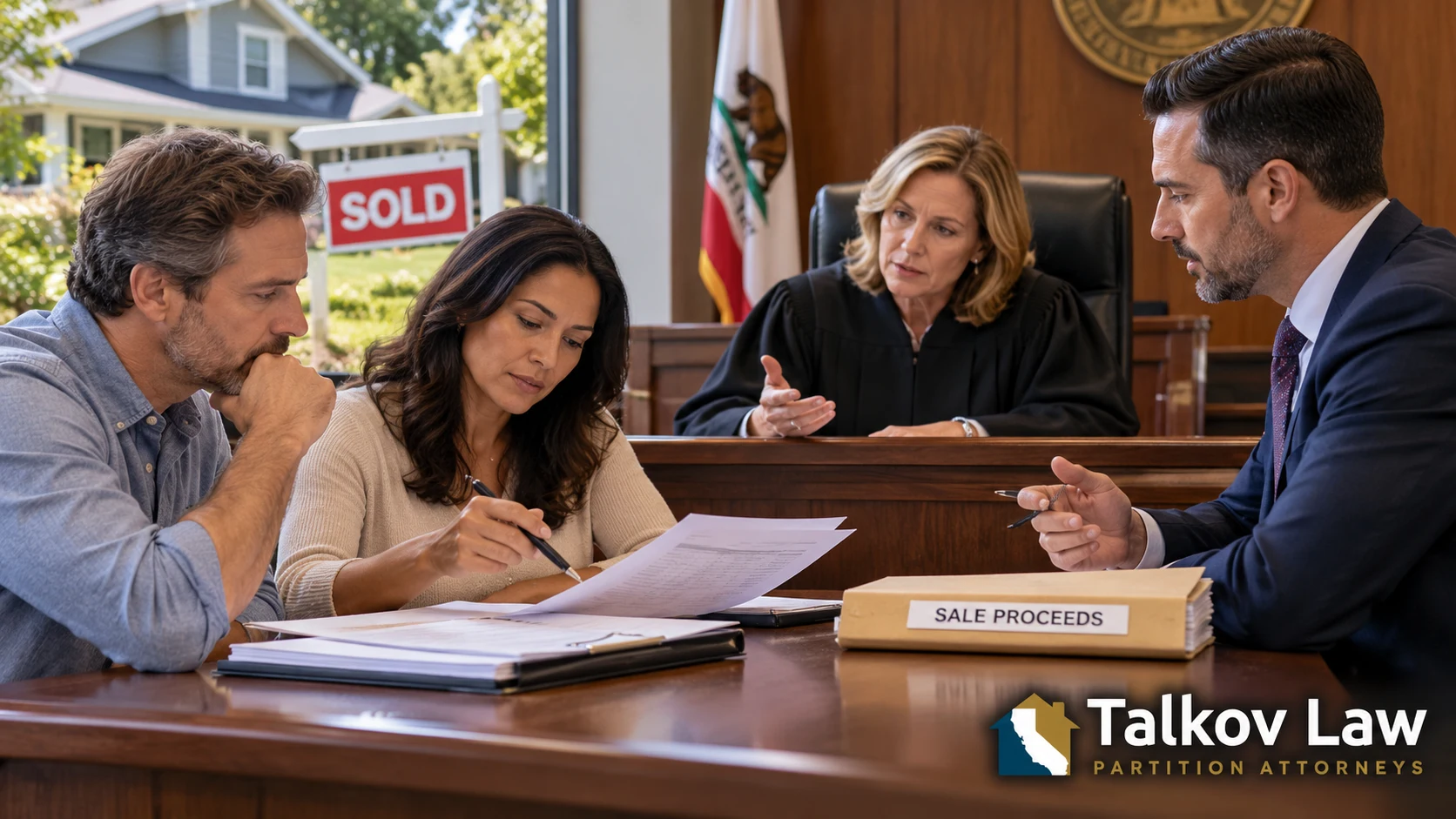
Code of Civil Procedure section 873.850 lets the partition action continue between the parties to decide how proceeds are allocated when that hasn’t yet been determined.
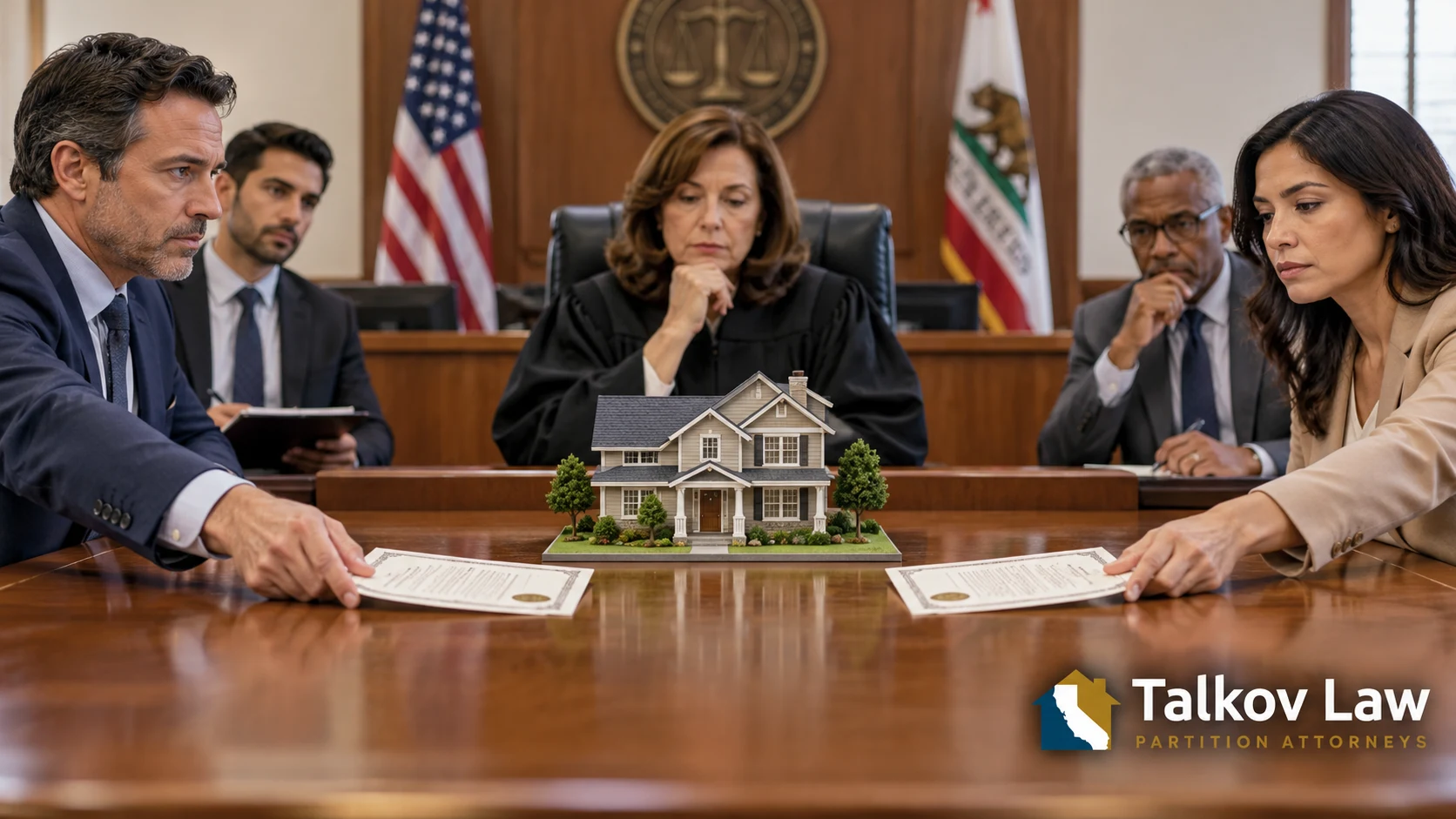
Code of Civil Procedure section 872.610 provides that the interests of all parties, plaintiff and defendant alike, may be tried and decided in the partition action.
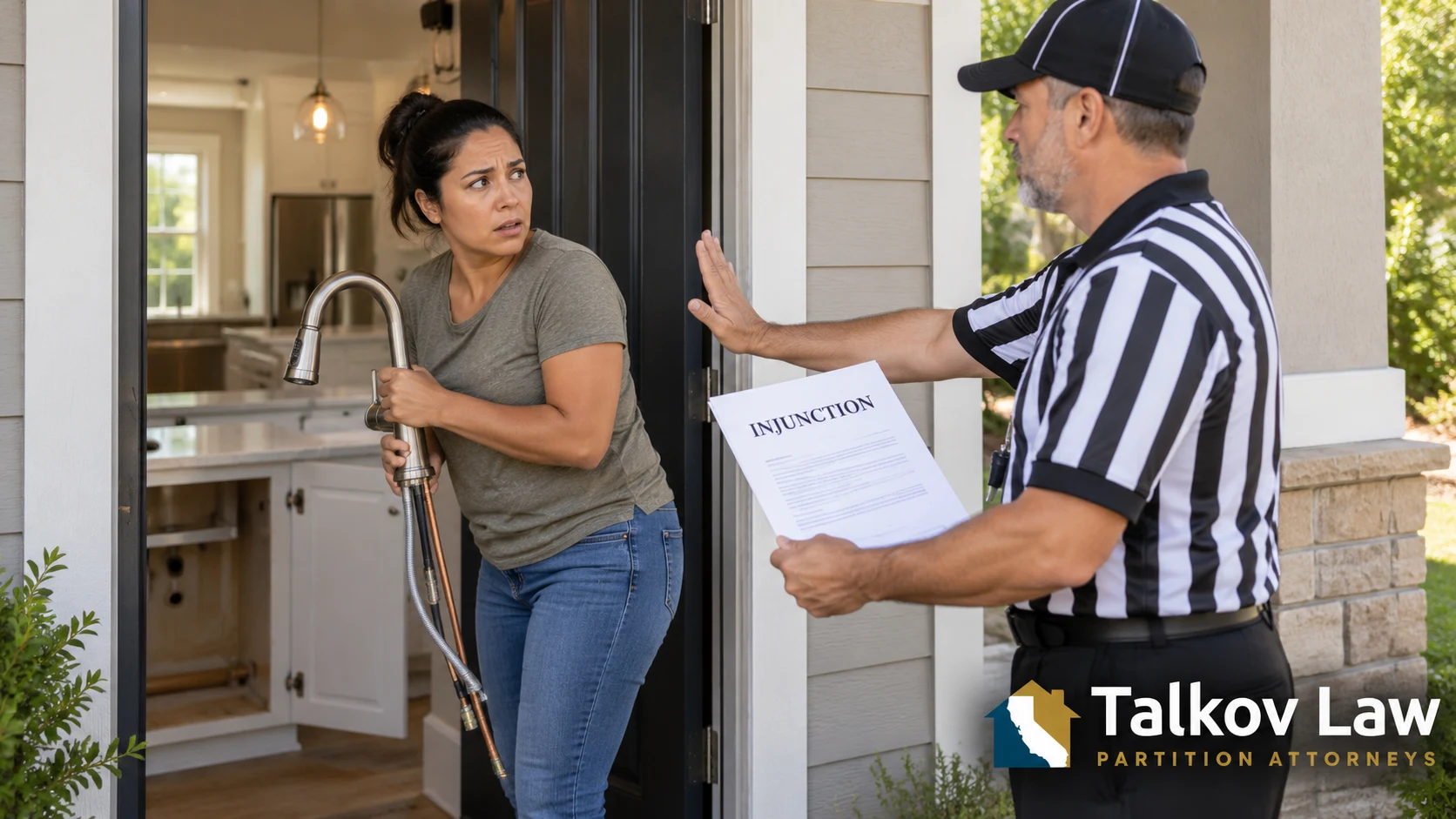
Code of Civil Procedure section 872.130 lets the partition court issue restraining orders and injunctions to prevent waste, protect the property or its title, and stop interference.

Wallace v. Daley (1990) 220 Cal.App.3d 1028 may be the most cited case in California partition law. It holds that every partition includes an accounting of offsets.
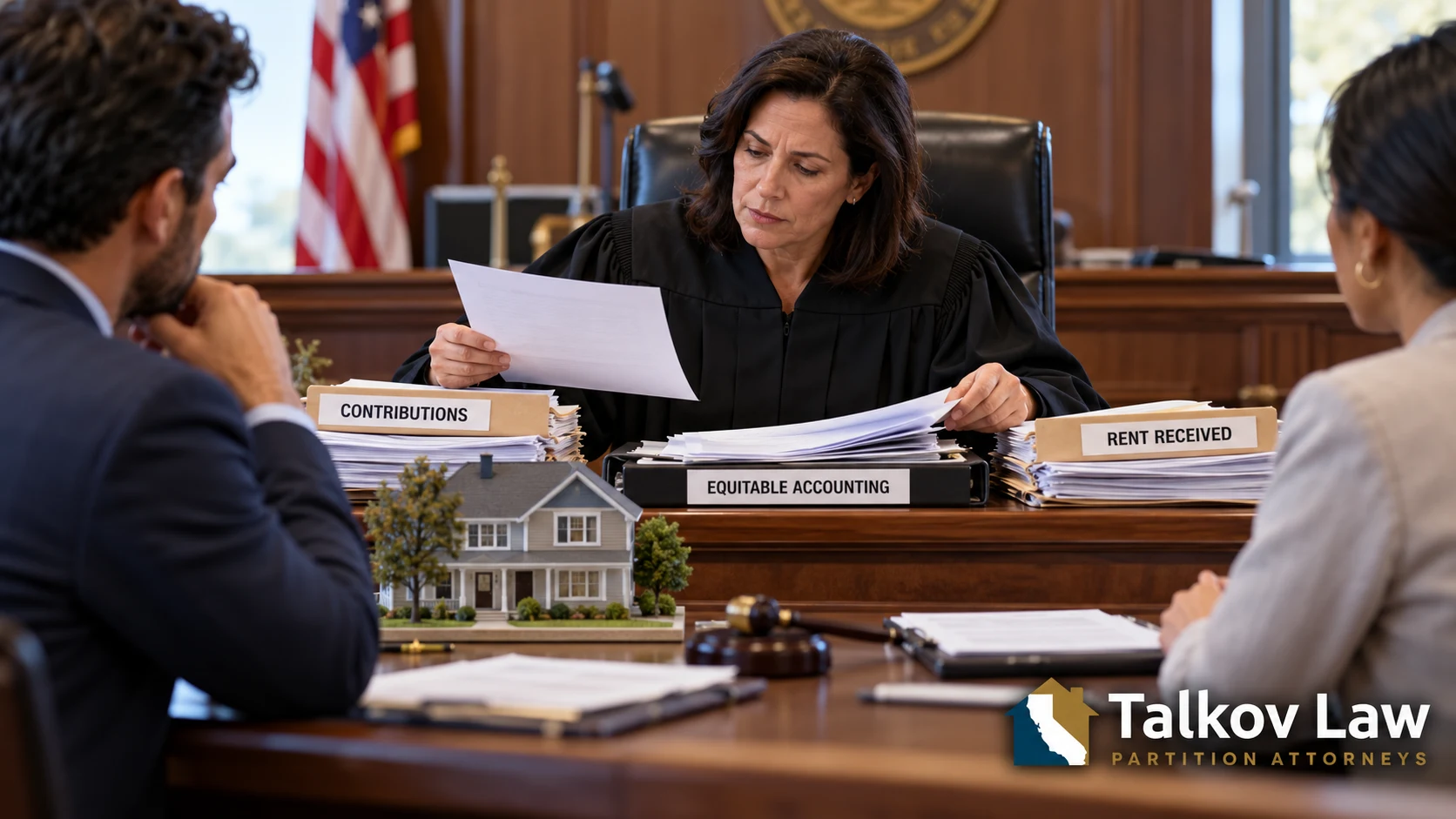
Code of Civil Procedure section 872.140 lets the court in every partition action order an accounting, contribution, and other compensatory adjustments between co-owners according to equity.
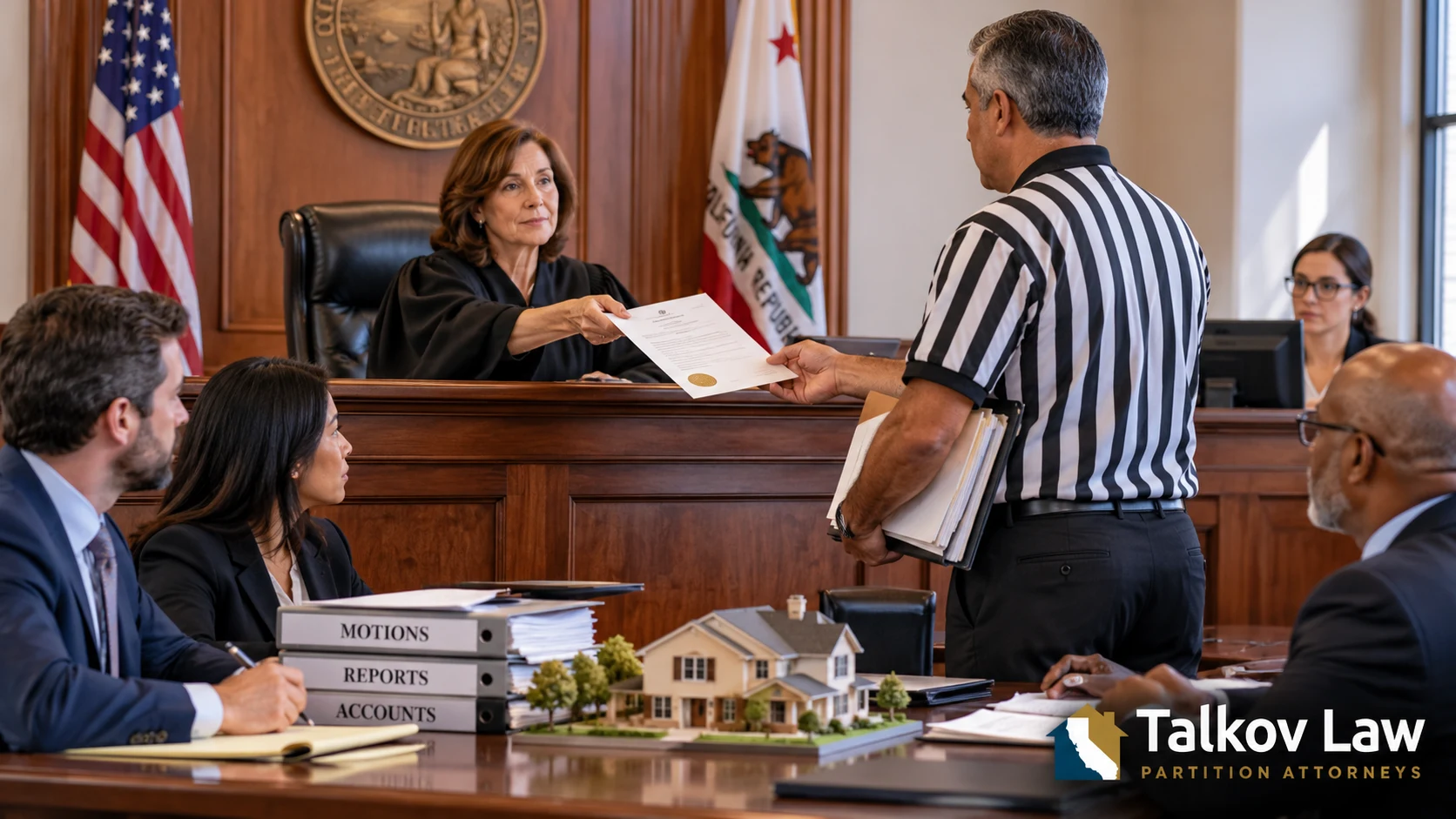
Code of Civil Procedure section 872.120 gives the partition court power to decide every motion, report, and account in the case and to make any order needed to carry out the partition.
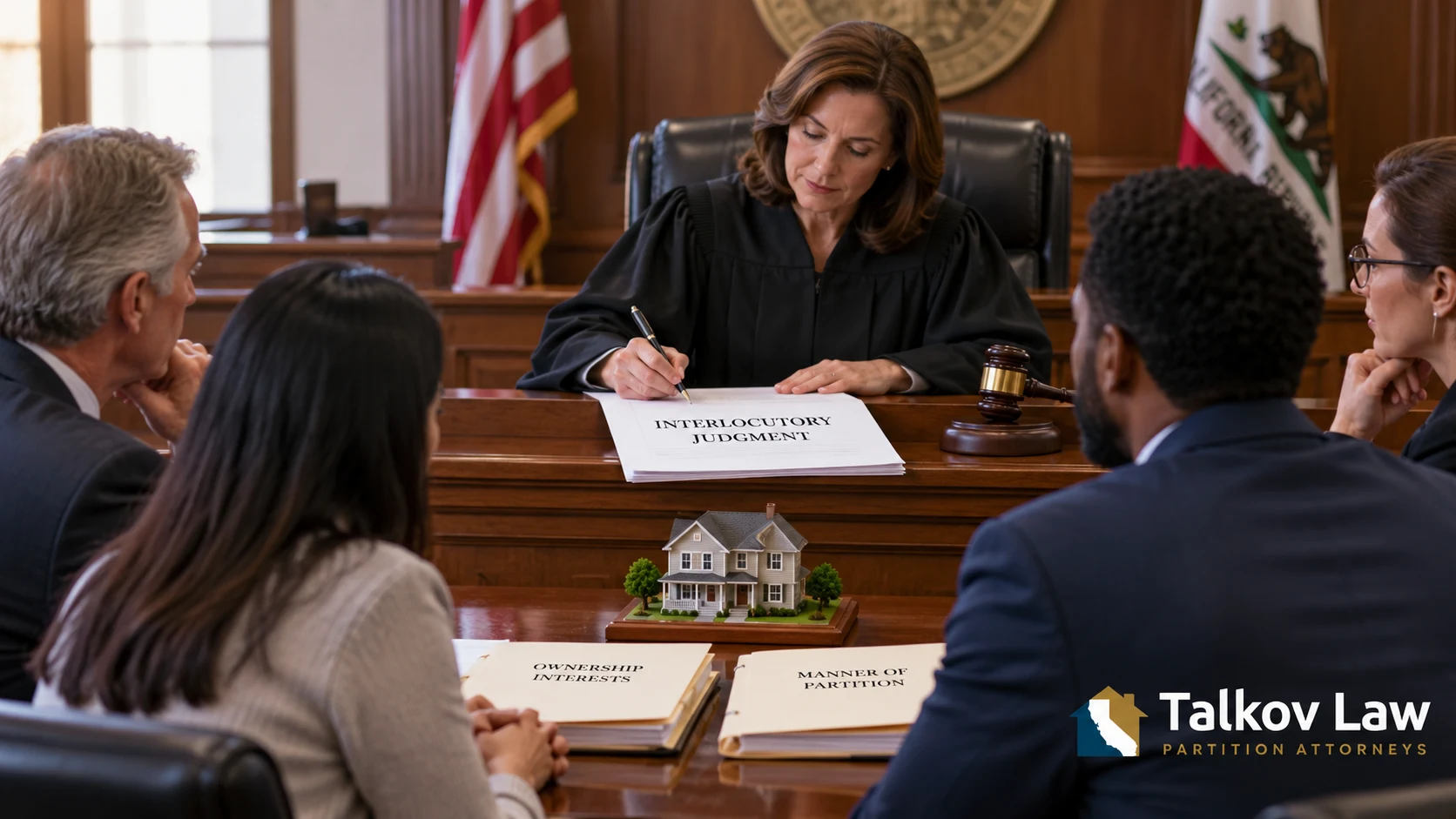
Code of Civil Procedure section 872.720 requires the court in a partition action to enter an interlocutory judgment once it finds the plaintiff is entitled to partition. That judgment sets the ownership interests and the manner of partition.
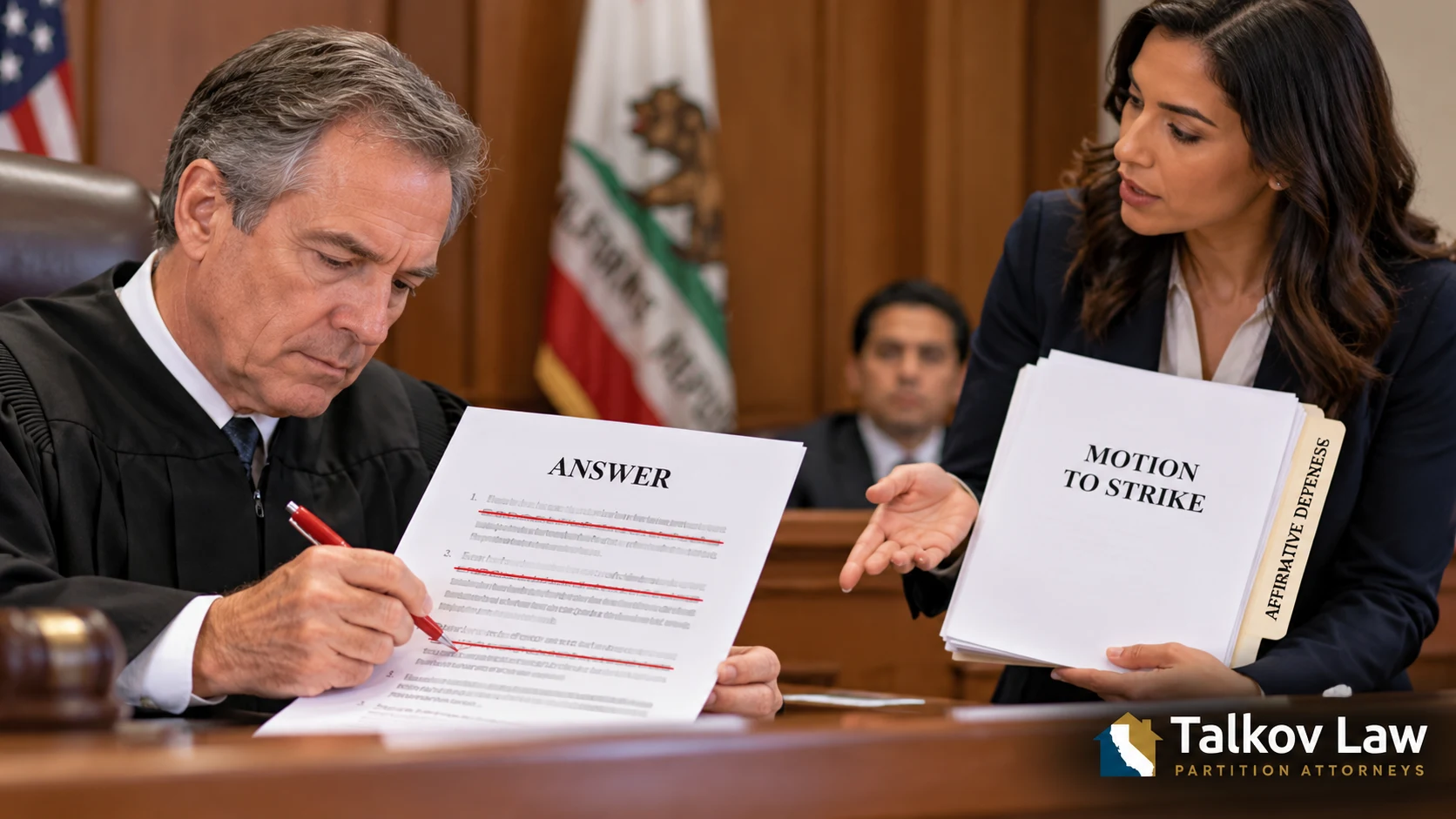
Many defendants answer with boilerplate affirmative defenses and no supporting facts. In California, those defenses can be challenged by a motion to strike or demurrer.

Representing co-owners statewide. Find your nearest Talkov Law office.
Practical guides from attorneys who focus exclusively on California partition actions.
The information on this site, including the Talkov Law Blog, is intended for general information purposes only. By using this site, you agree that any information contained in the site does not constitute legal, financial or any other form of professional advice. Information on this site may be changed without notice and is not guaranteed to be complete, accurate, correct or up-to-date.







