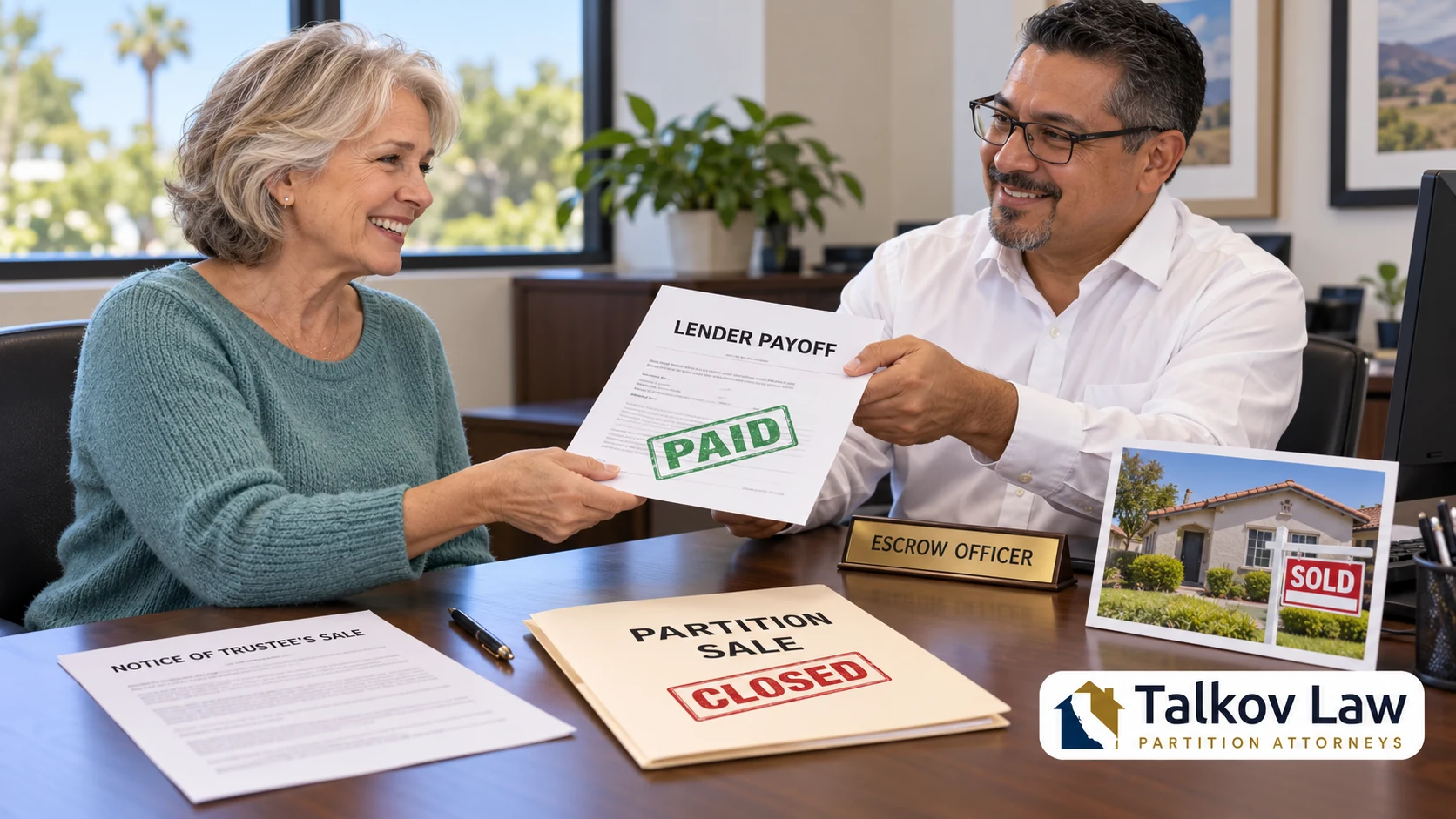
Can a Partition Prevent a Foreclosure?
Foreclosure is especially hard when co-owners are in a partition action. An injunction may give co-owners a way to protect the property while the case moves forward.
Foreclosure is especially hard when co-owners are in a partition action. An injunction may give co-owners a way to protect the property while the case moves forward.
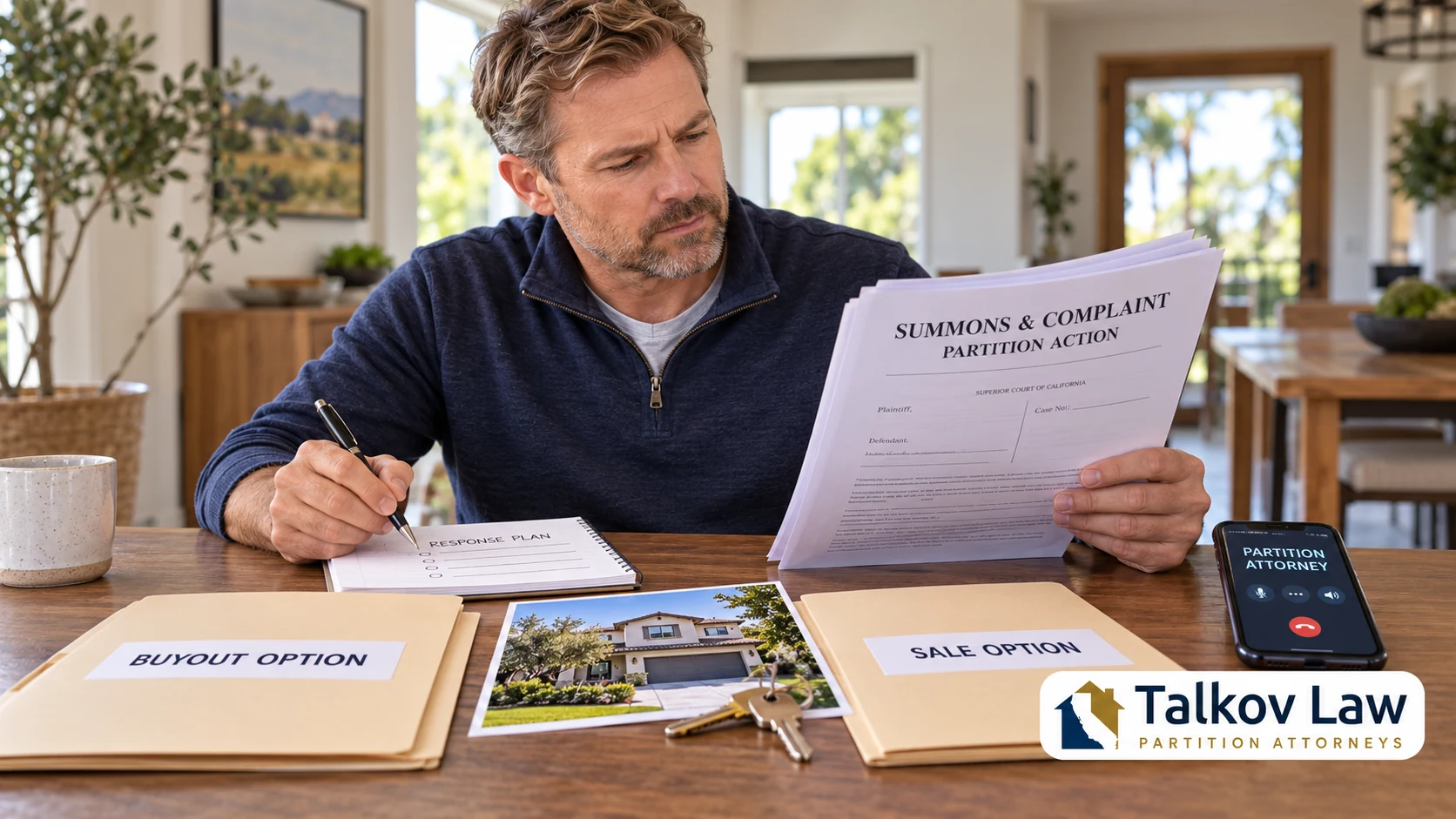
Being sued for partition by a co-owner is stressful. Here is what the lawsuit means, why co-owners file them, and the steps you can take to protect your share.
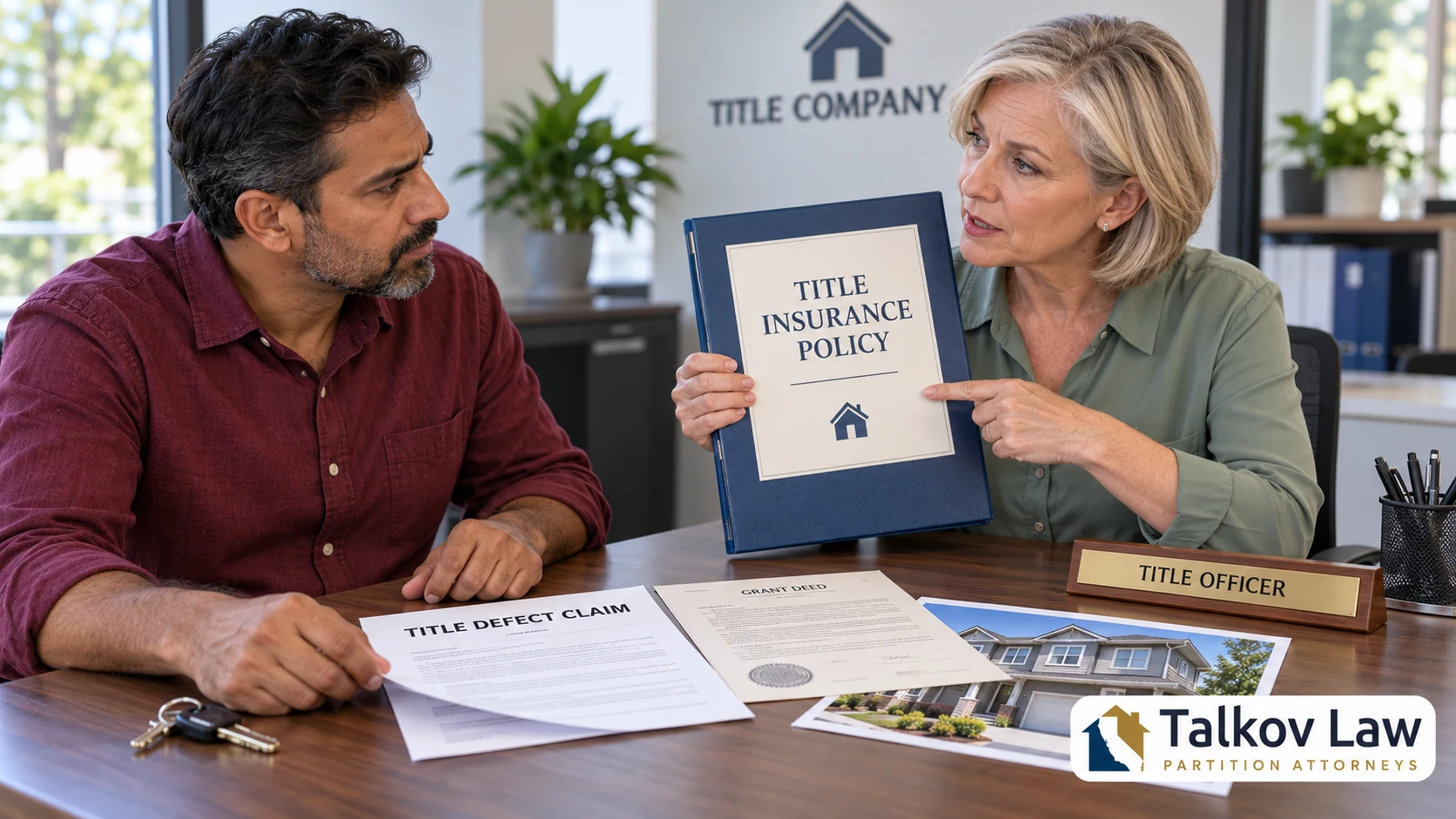
A clear and marketable title is essential when property is sold in a partition action. Here is how title insurance protects the sale and the buyer.
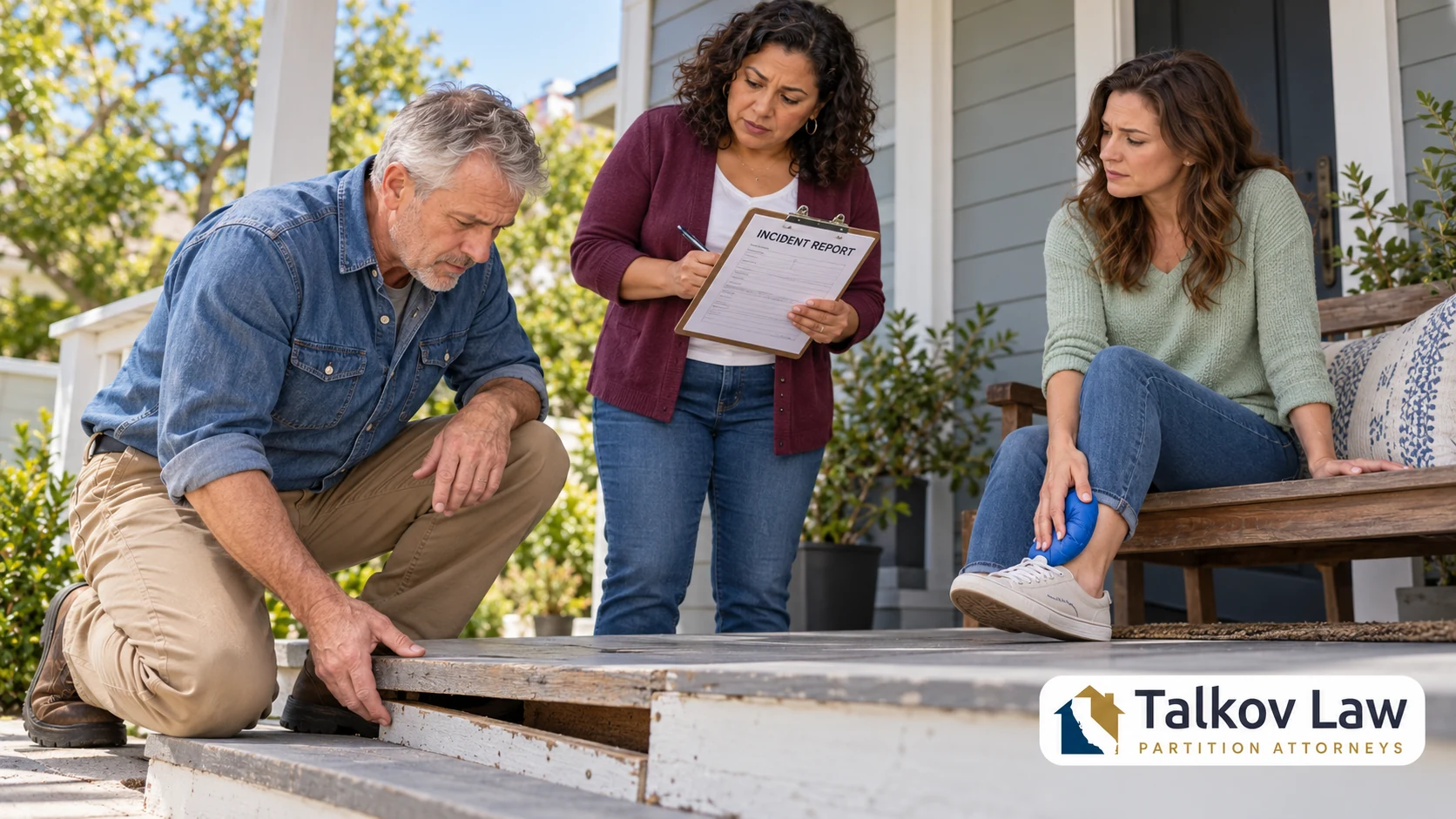
Co-owners are generally liable for injuries on jointly owned property, whether or not they caused the problem. Here is how to protect yourself.
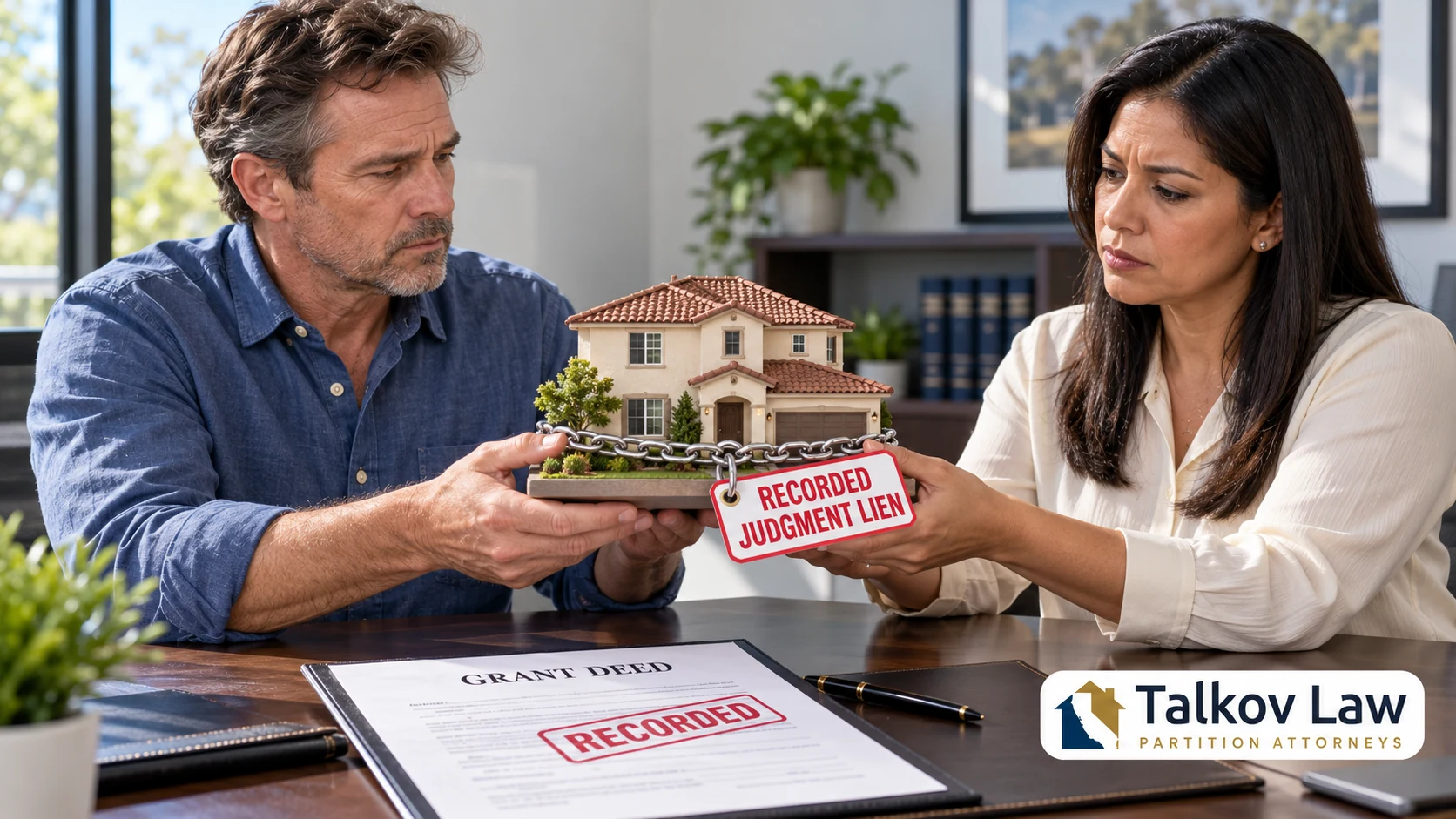
A recorded judgment lien follows co-owned property into the hands of a buyer, but a transfer made before the lien was recorded may leave nothing to attach. Here is how the rules work.
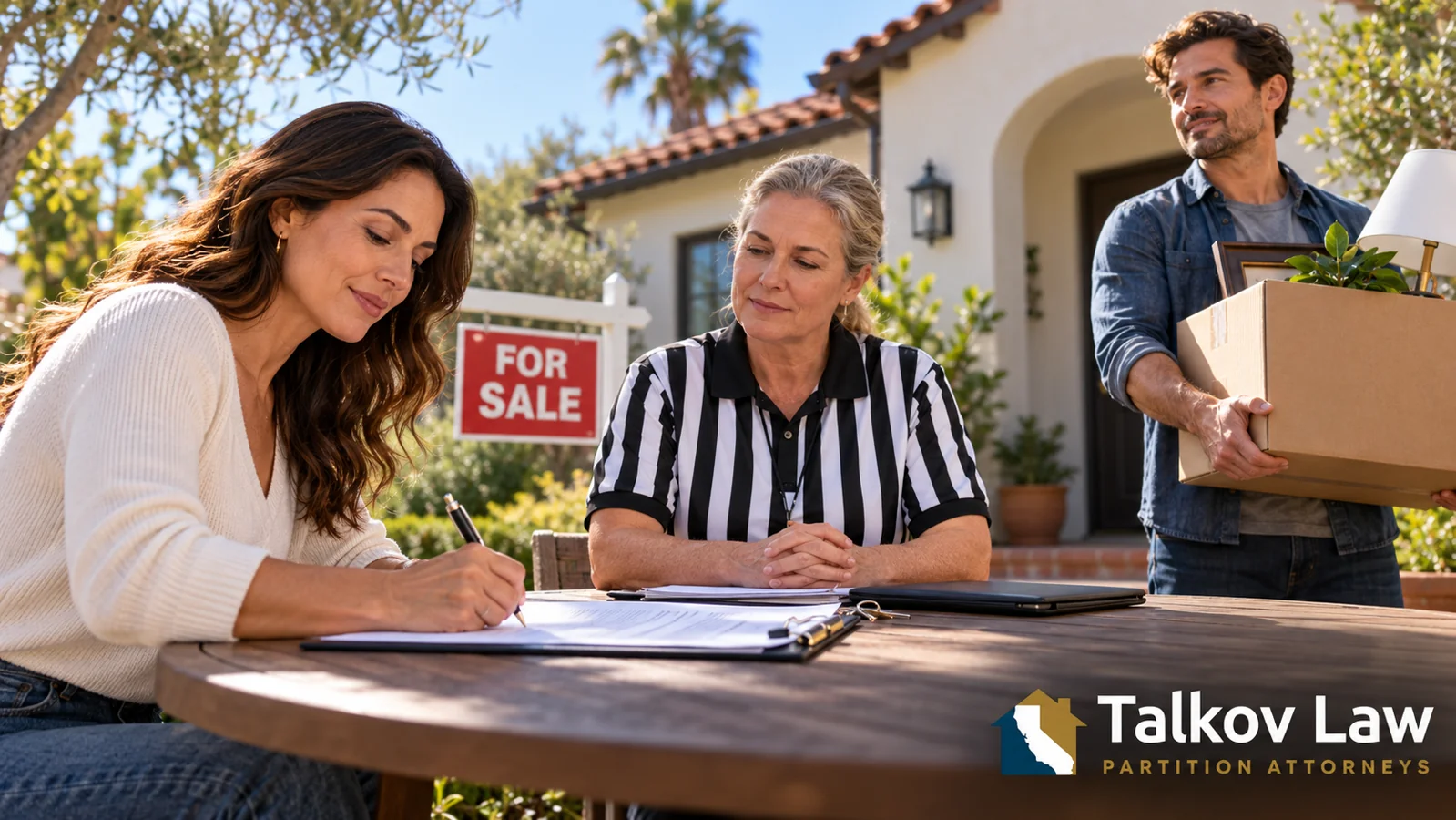
Yes. A co-owner can buy the other co-owners’ shares in a partition action, but the process follows specific state laws and court procedures.
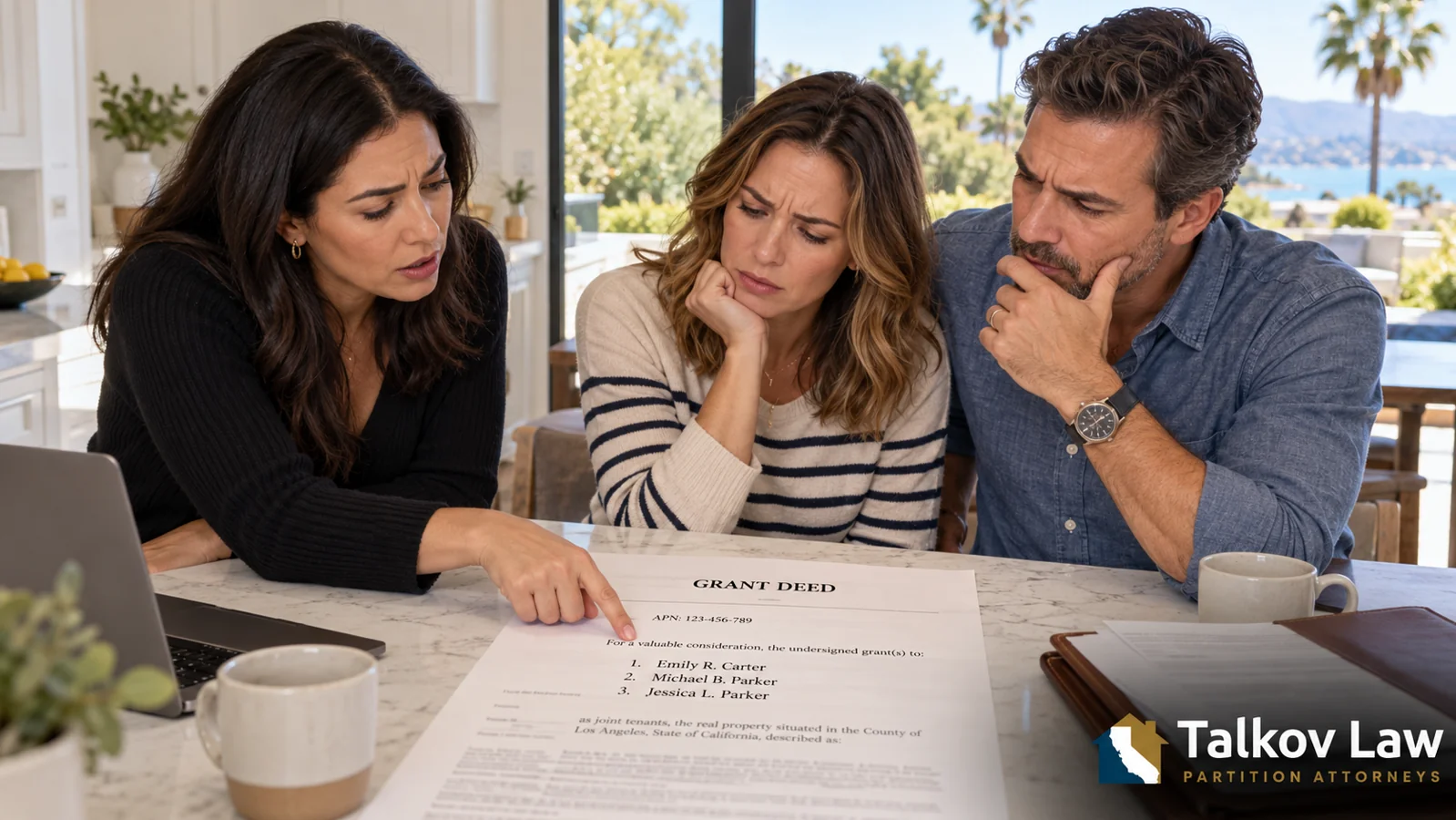
Many deeds name three or more co-owners without saying how much each owns. That question becomes critical in a partition action. Here are the factors courts consider.
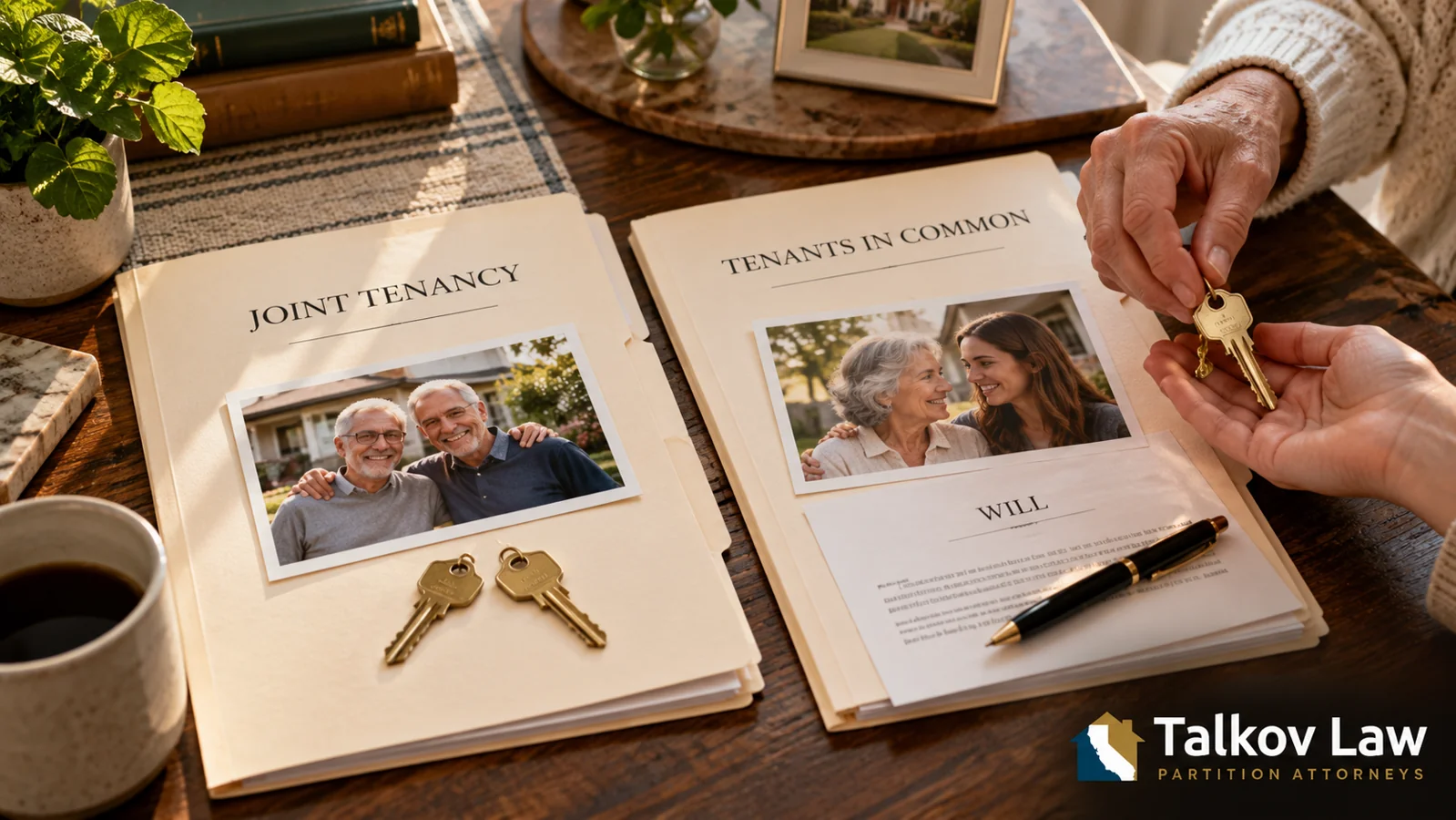
Both joint tenants and tenants in common share ownership of the same property, but their rights differ sharply, especially when an owner dies.
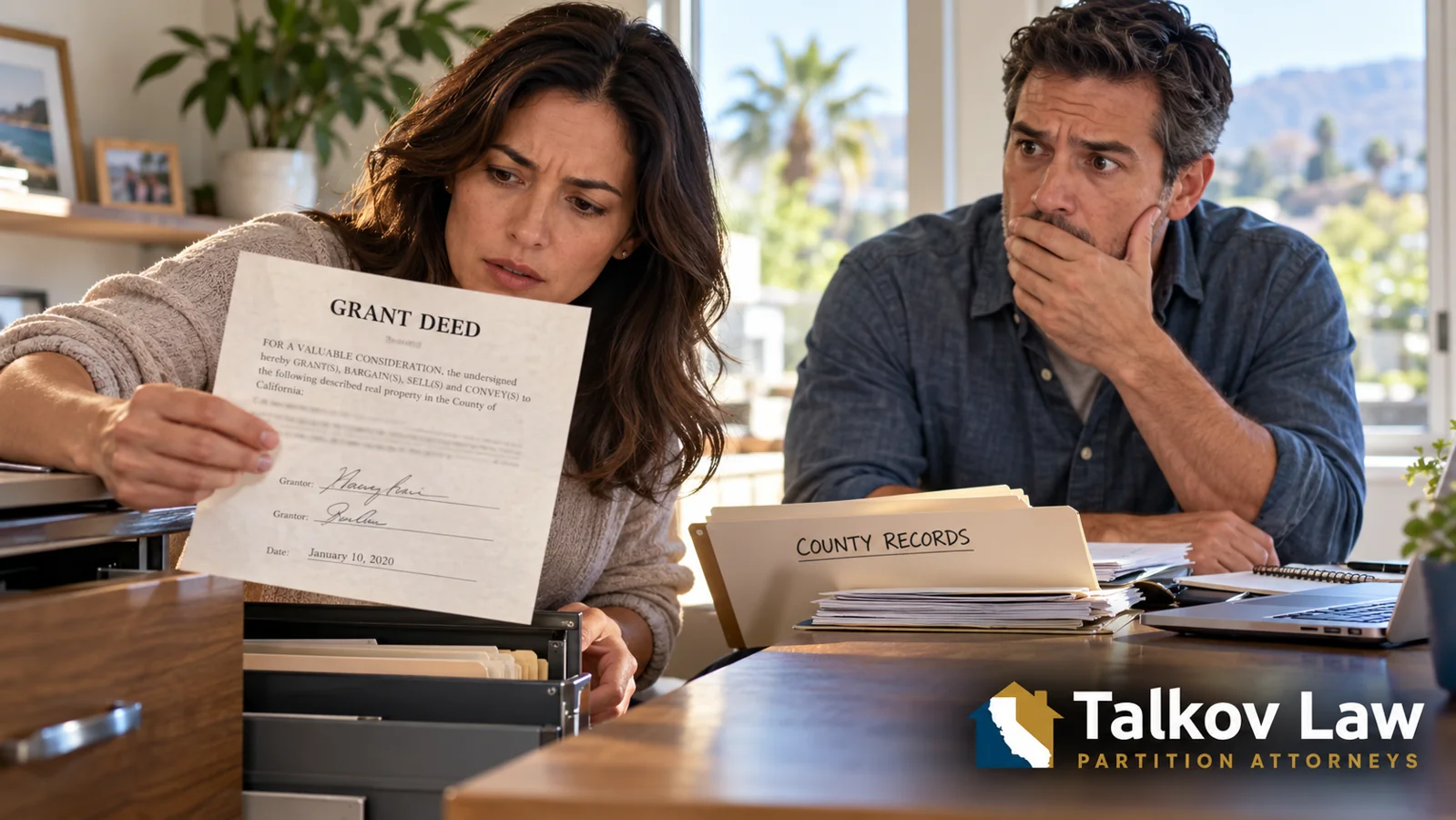
Recording a deed gives the public notice of ownership. An unrecorded deed creates uncertainty that can complicate a partition action.
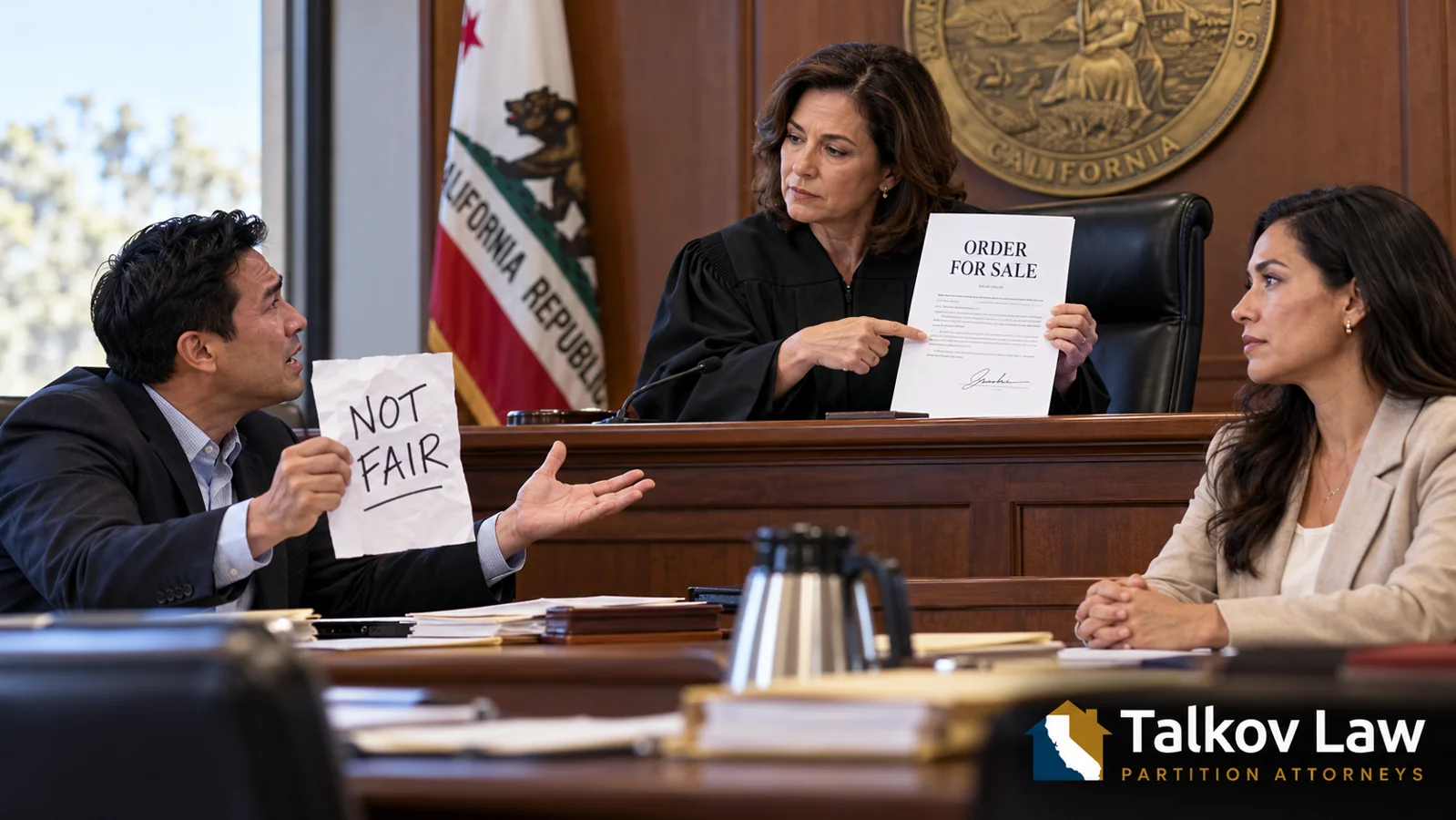
A 1976 case suggested fairness could limit partition, but the Legislature that same year made partition a matter of right unless validly waived. California courts have since rejected the fairness defense.
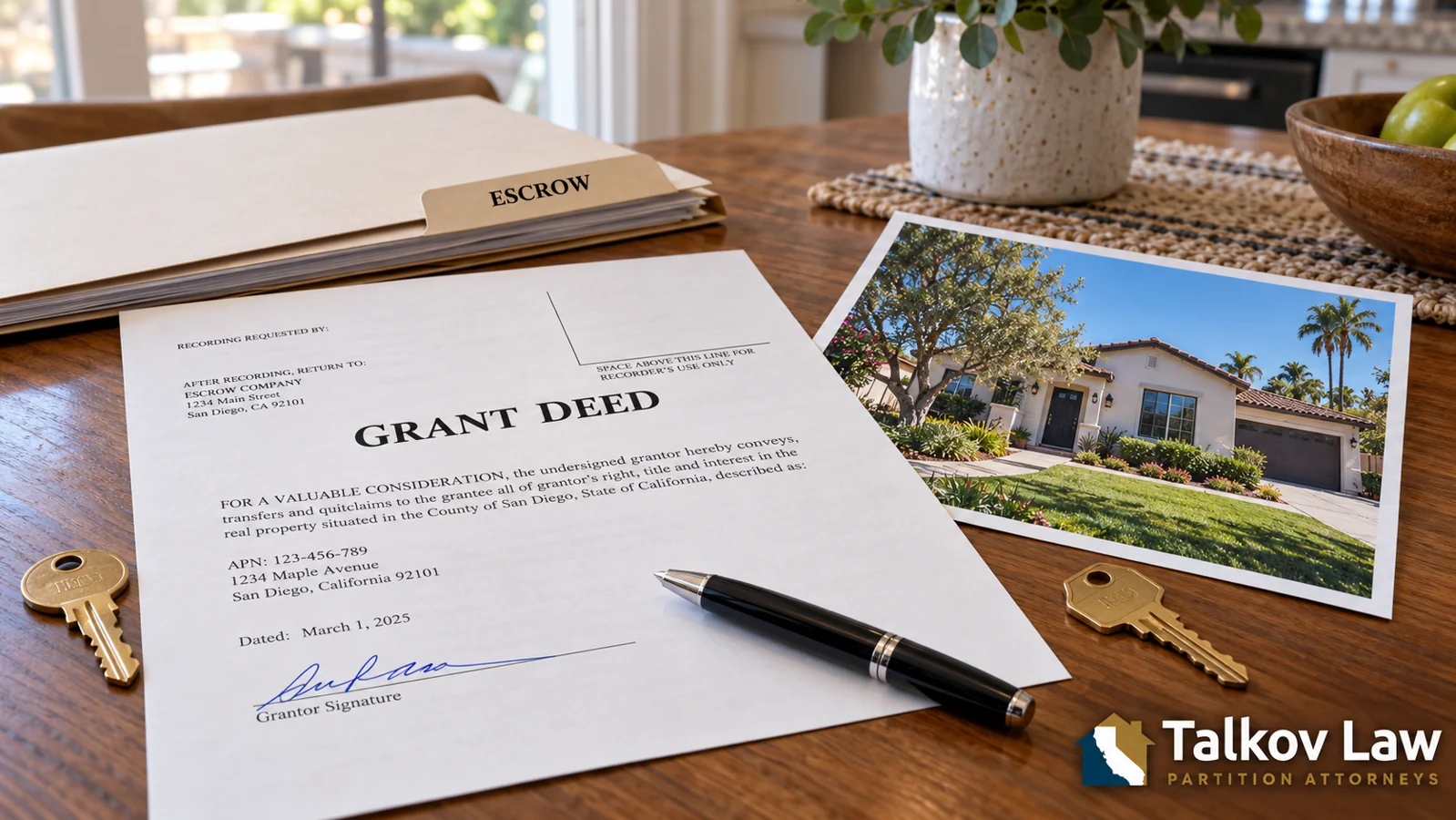
A co-owner can be removed from a California house title by a deed with their agreement, or without it through a partition action. Quiet title is available only in narrow cases.
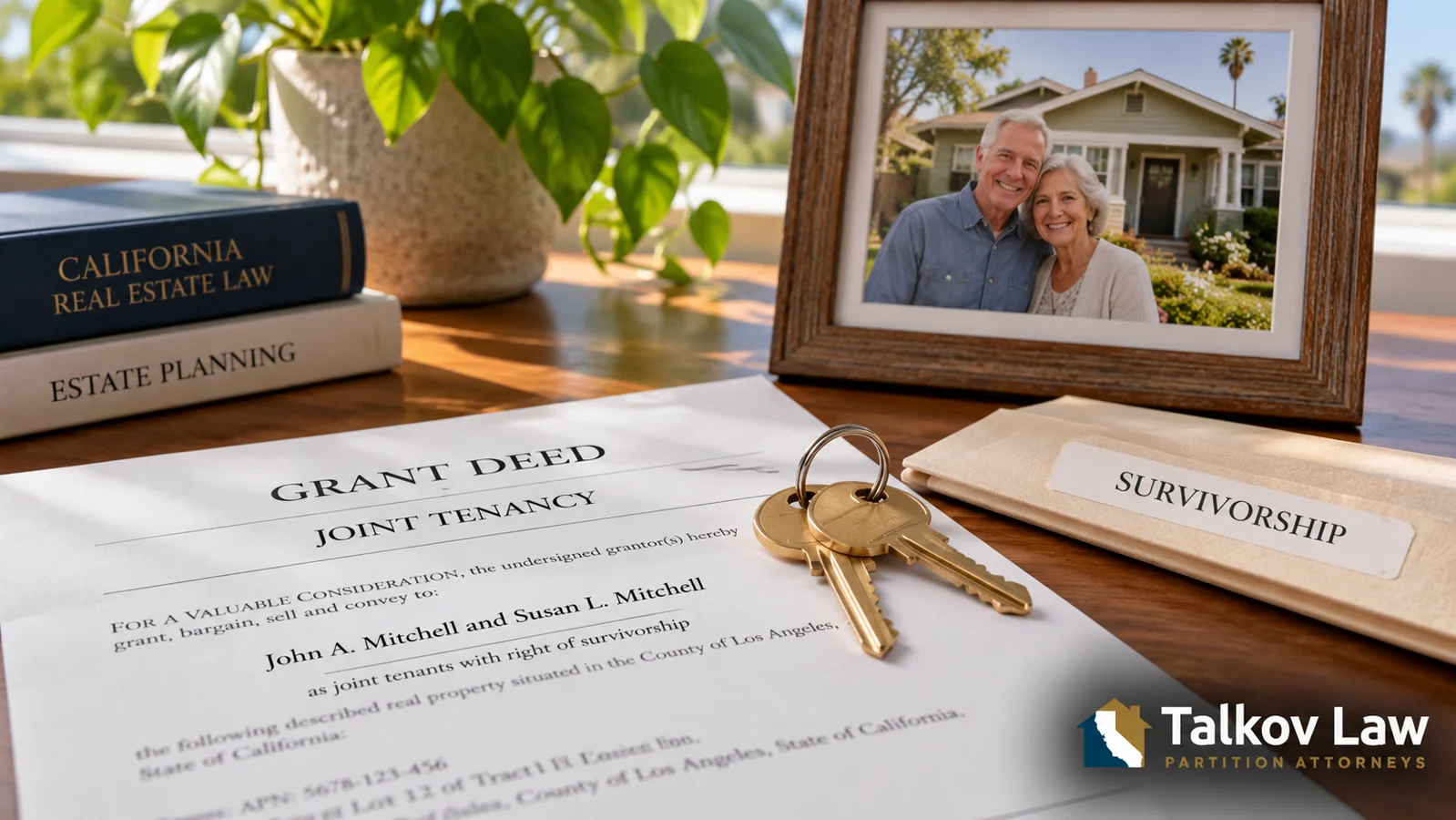
In a joint tenancy, co-owners hold equal shares with a right of survivorship. Here is how joint tenancy is created in California and what happens when it ends.
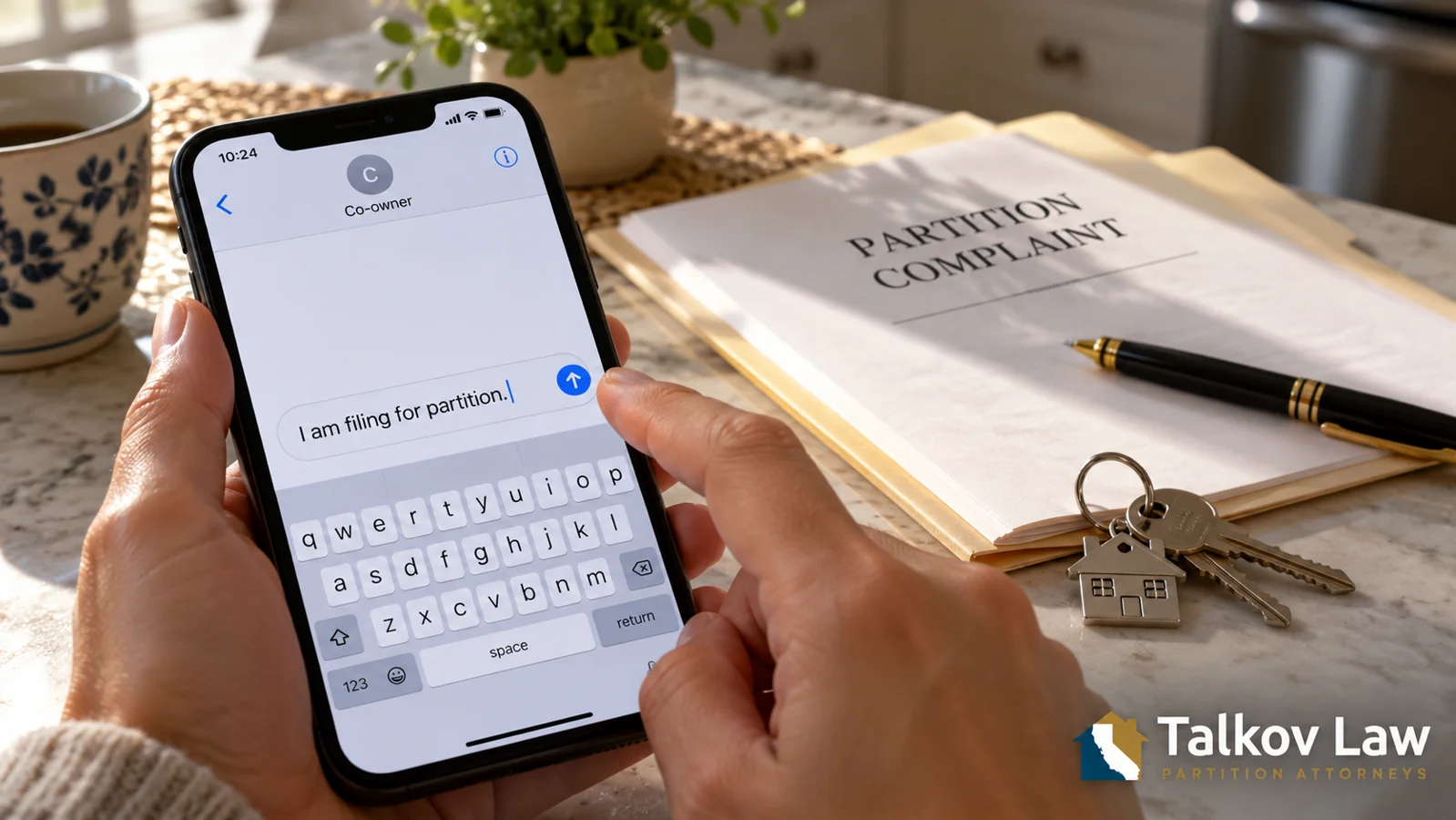
Generally, no. Many co-owners feel they should give a heads-up before filing for partition, but warning them in advance usually does more harm than good.
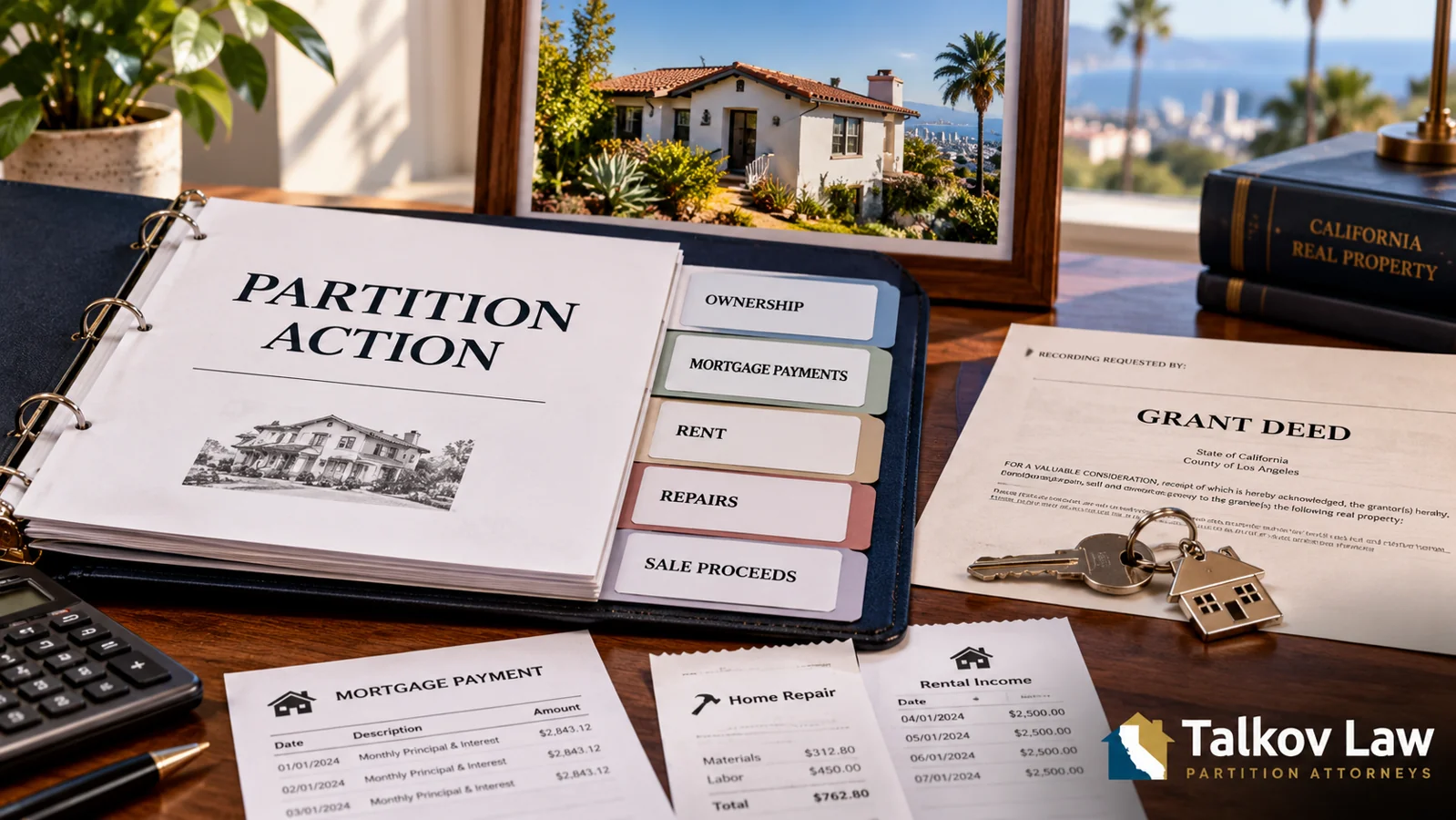
A California partition action can resolve ownership, title disputes, reimbursements, rent, liens, fees, and the sale. Learn its scope, limits, and how the accounting affects your payout.
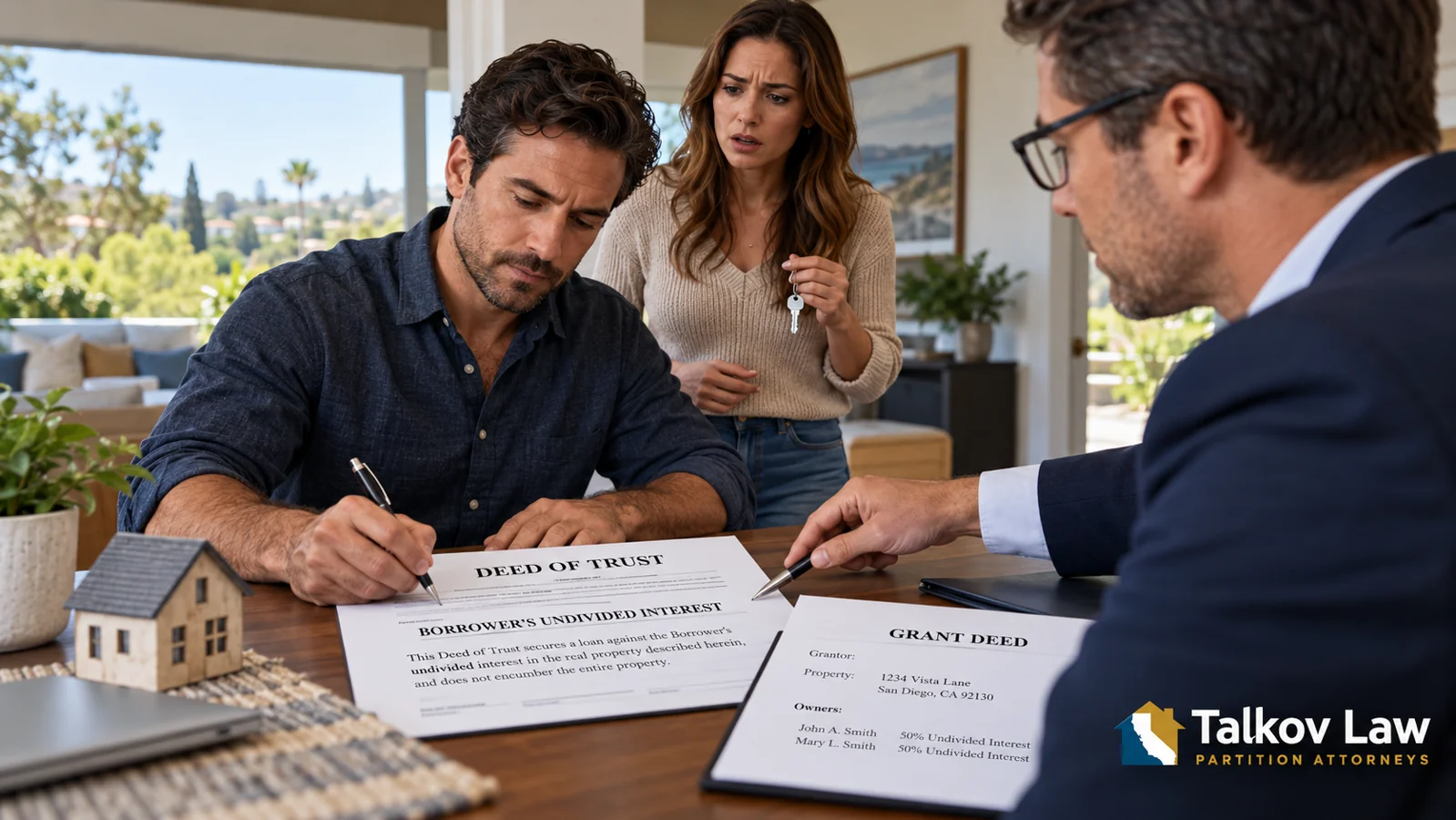
Disputes flare when one co-owner borrows against the property without the others’ consent. Here is how such a loan affects your equity and how to protect it.
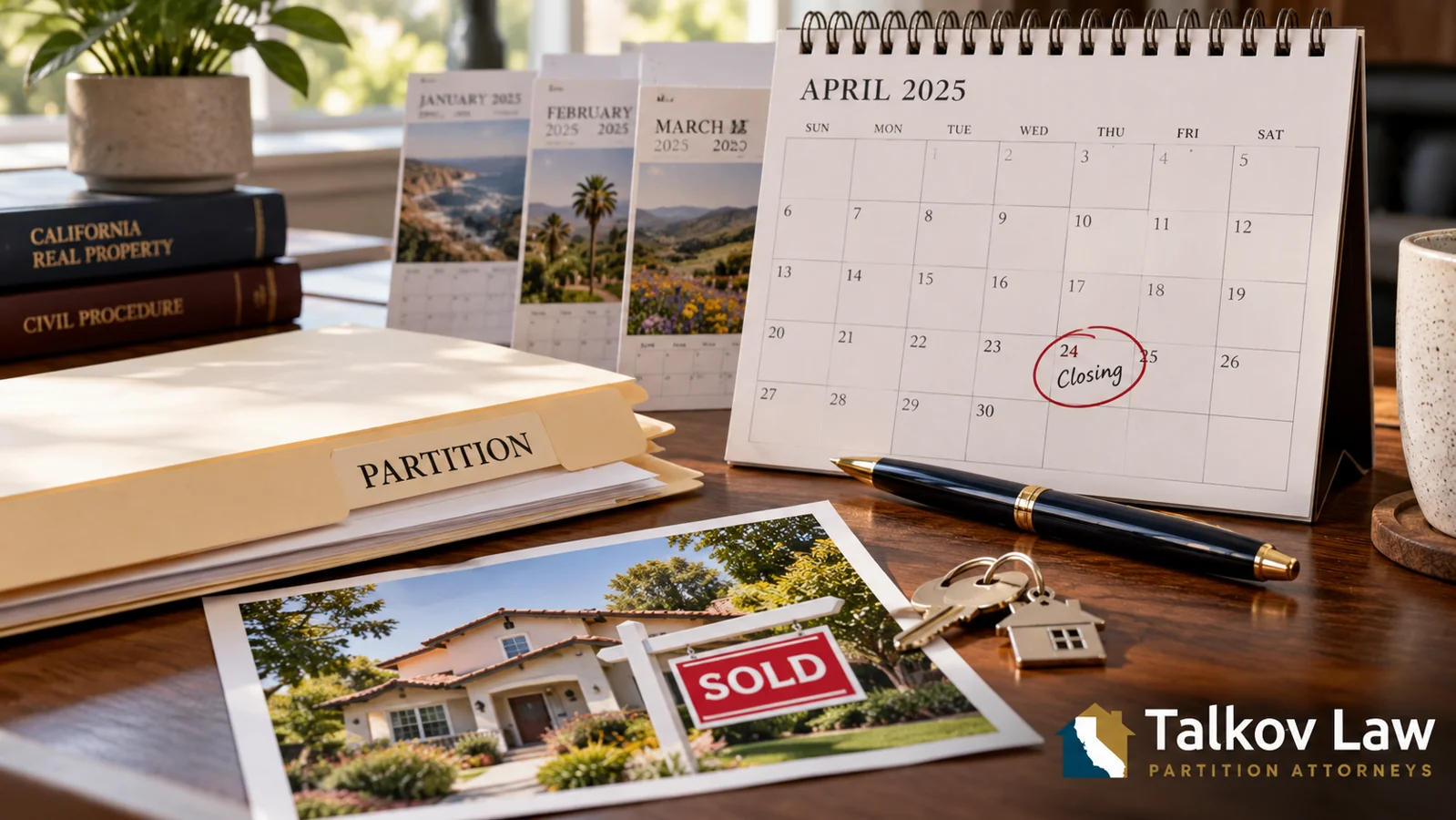
A partition action usually takes seven to nine months, depending on the circumstances and complexity of the case. Here are the factors that affect timing.
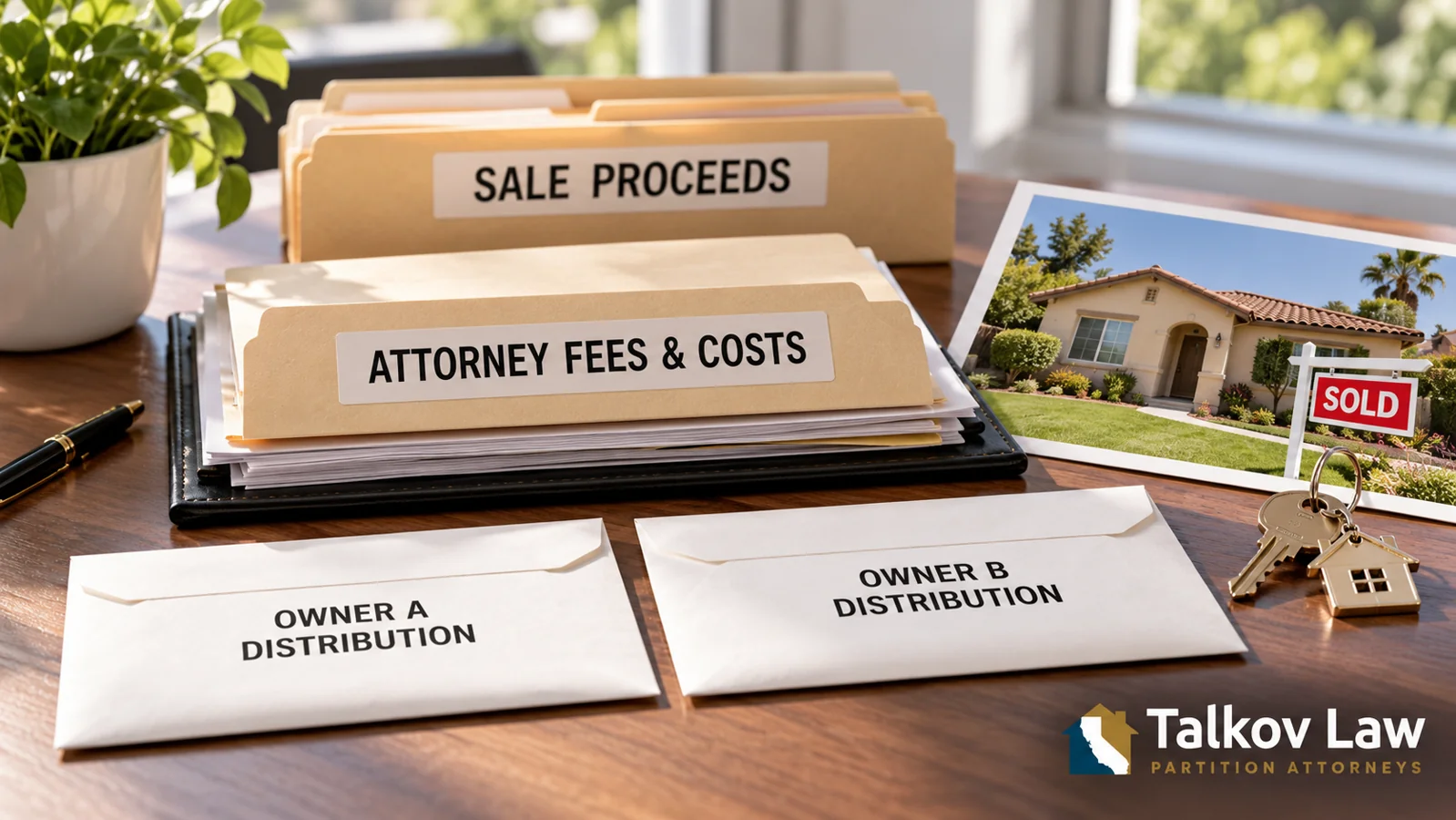
California lets the co-owner who files a partition ask the court to award attorney’s fees and costs against the other co-owners, usually paid from the sale proceeds.
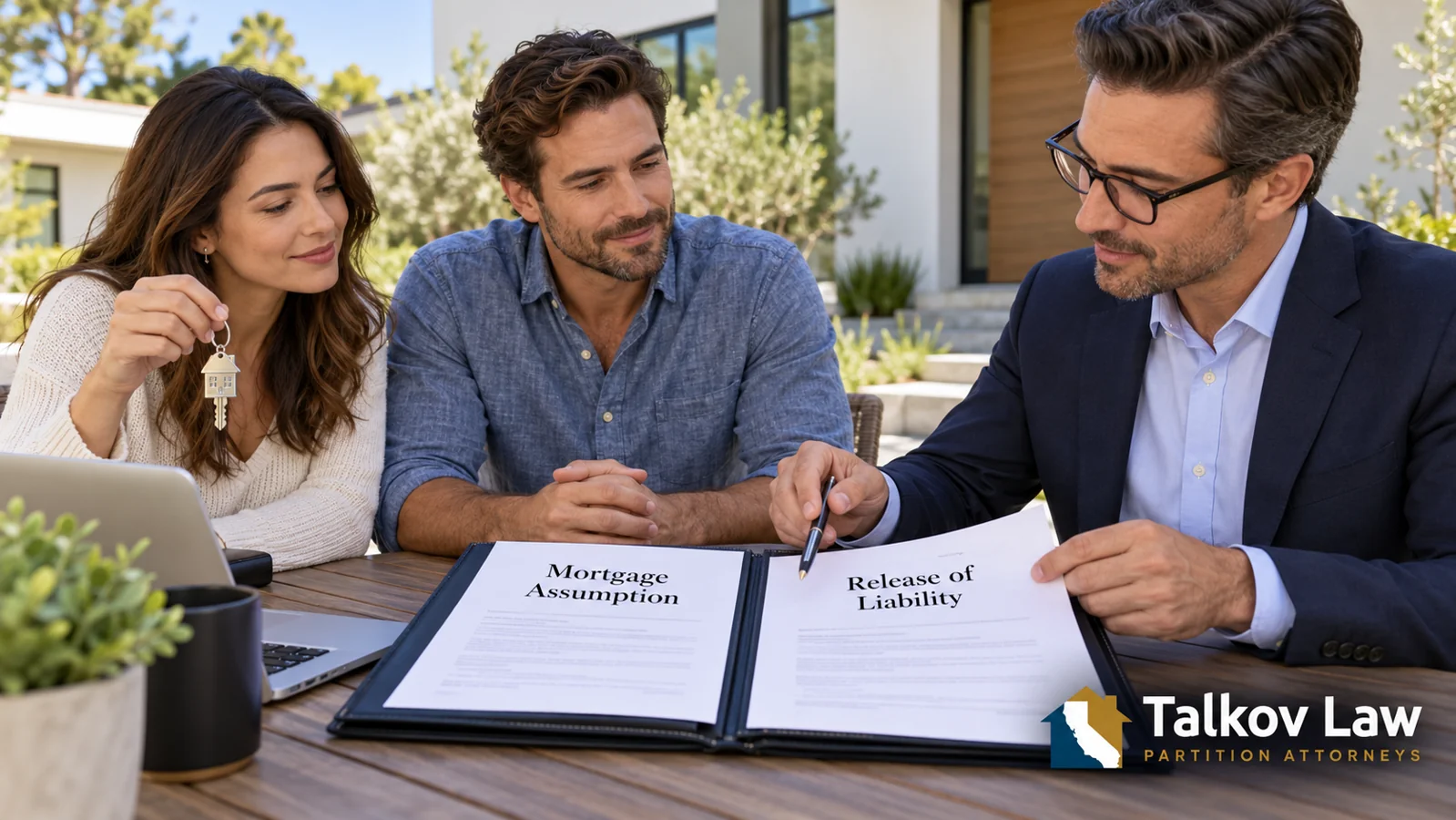
An assumption can let a co-owner keep a low-rate mortgage in a buyout, but it does not release the departing co-owner by itself. The lender, and for a government-backed loan the agency, must approve the buyer and sign a release.

A section 998 offer lets a co-owner pressure the other side to settle a partition action, because a co-owner who refuses and does worse at trial can be made to bear more of the costs.
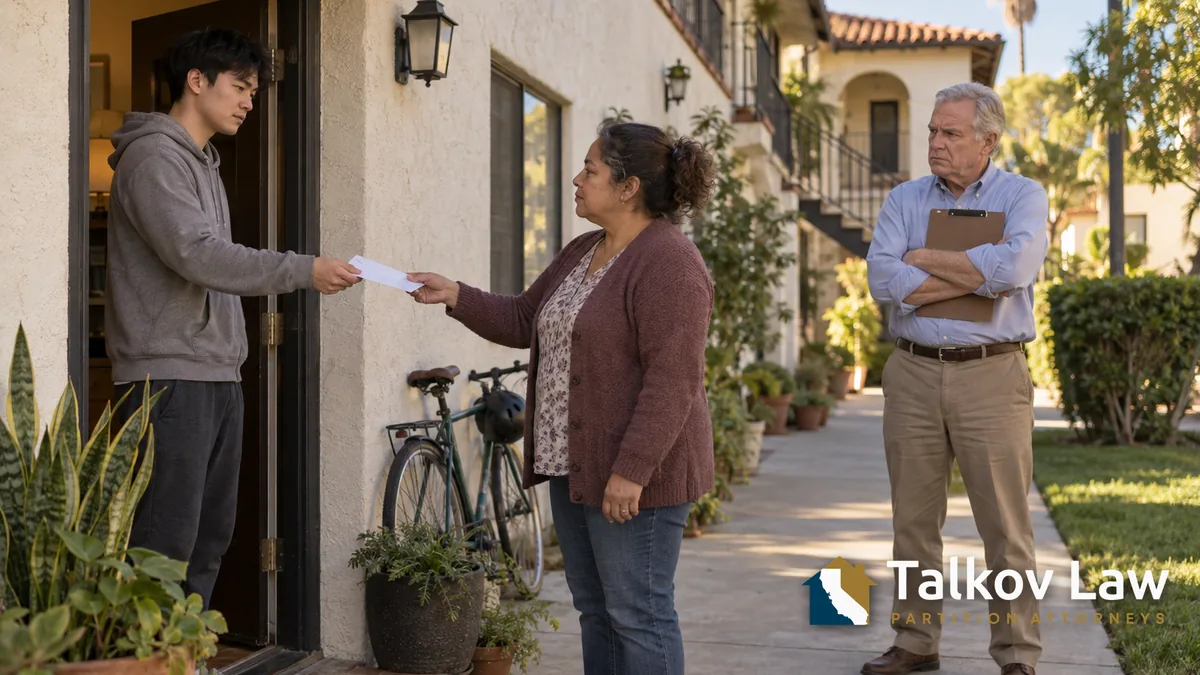
Yes. A California co-owner can partition a rental property even with tenants and a good lease. Here is how rent, receivers, tenants, deposits and the sale are handled.
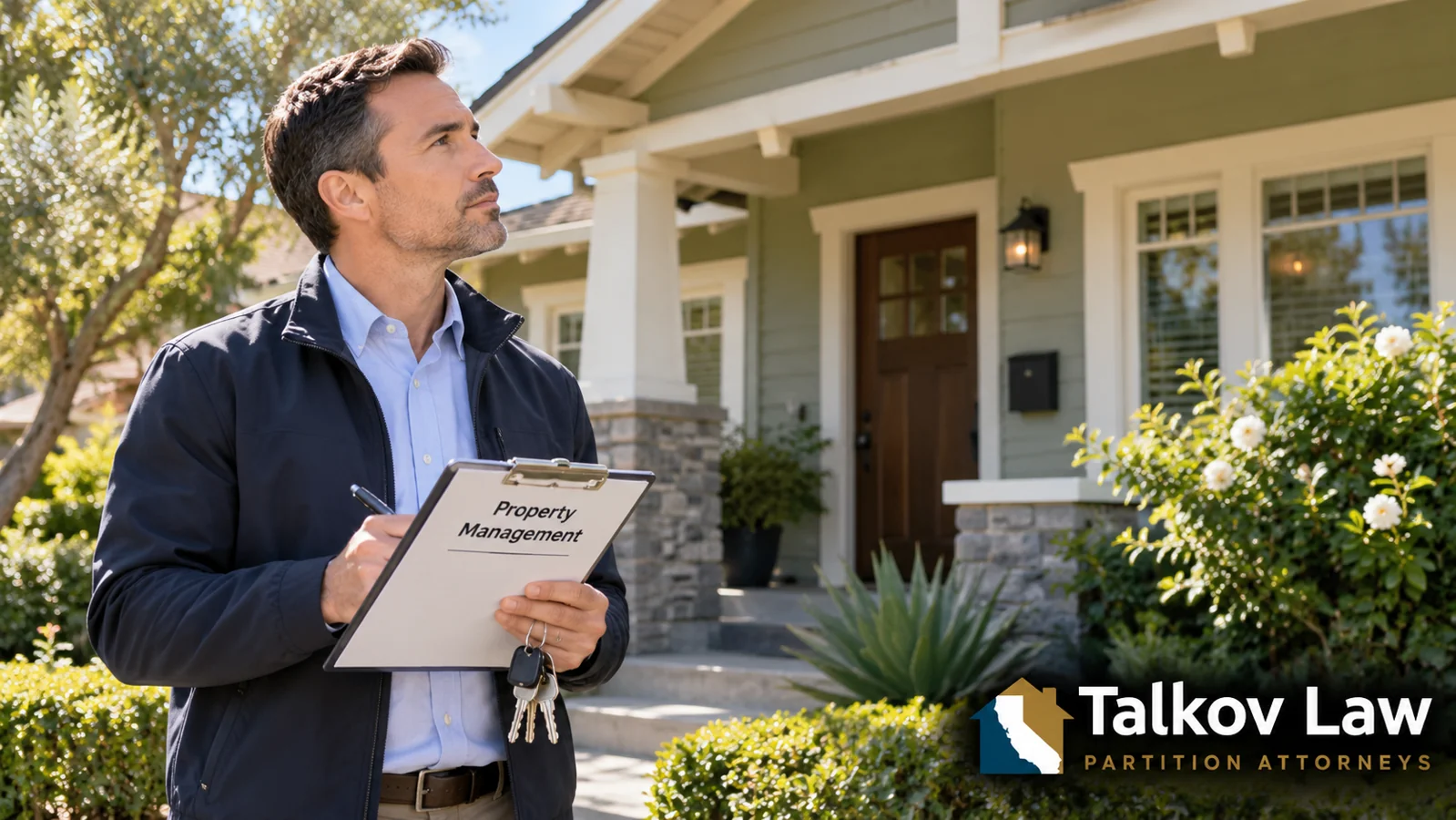
A co-owner may ask the court to appoint a receiver during a partition action. Here is when that happens and how a receiver differs from a partition referee.
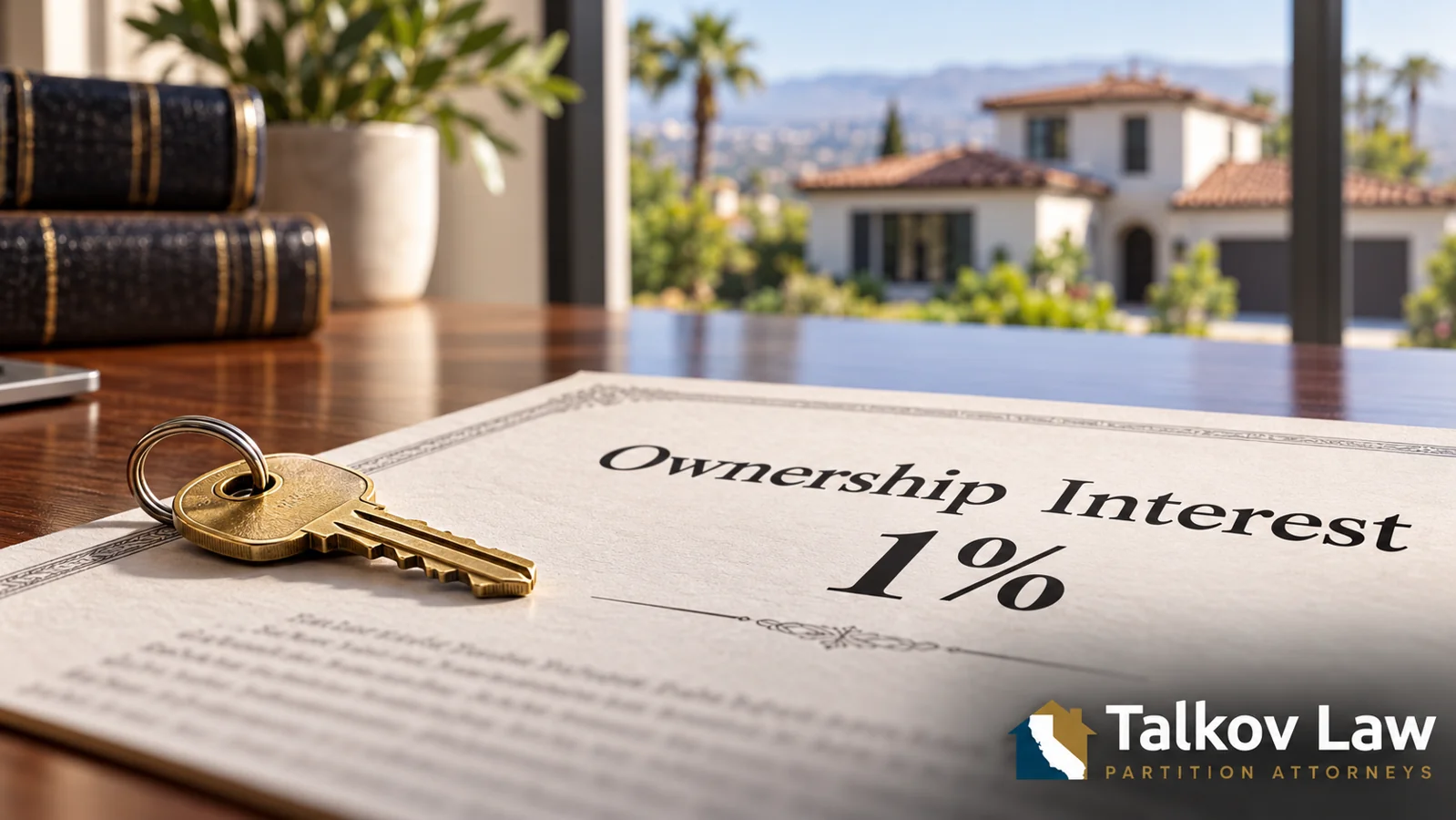
Yes. Any co-owner in California can force a partition, even with a 1% share and even when the majority owner refuses to sell. No majority vote is needed, because the right to partition is absolute.

Parties in litigation are often tempted to talk directly, believing the lawyers are causing the conflict. Here are the risks and when direct communication can help.
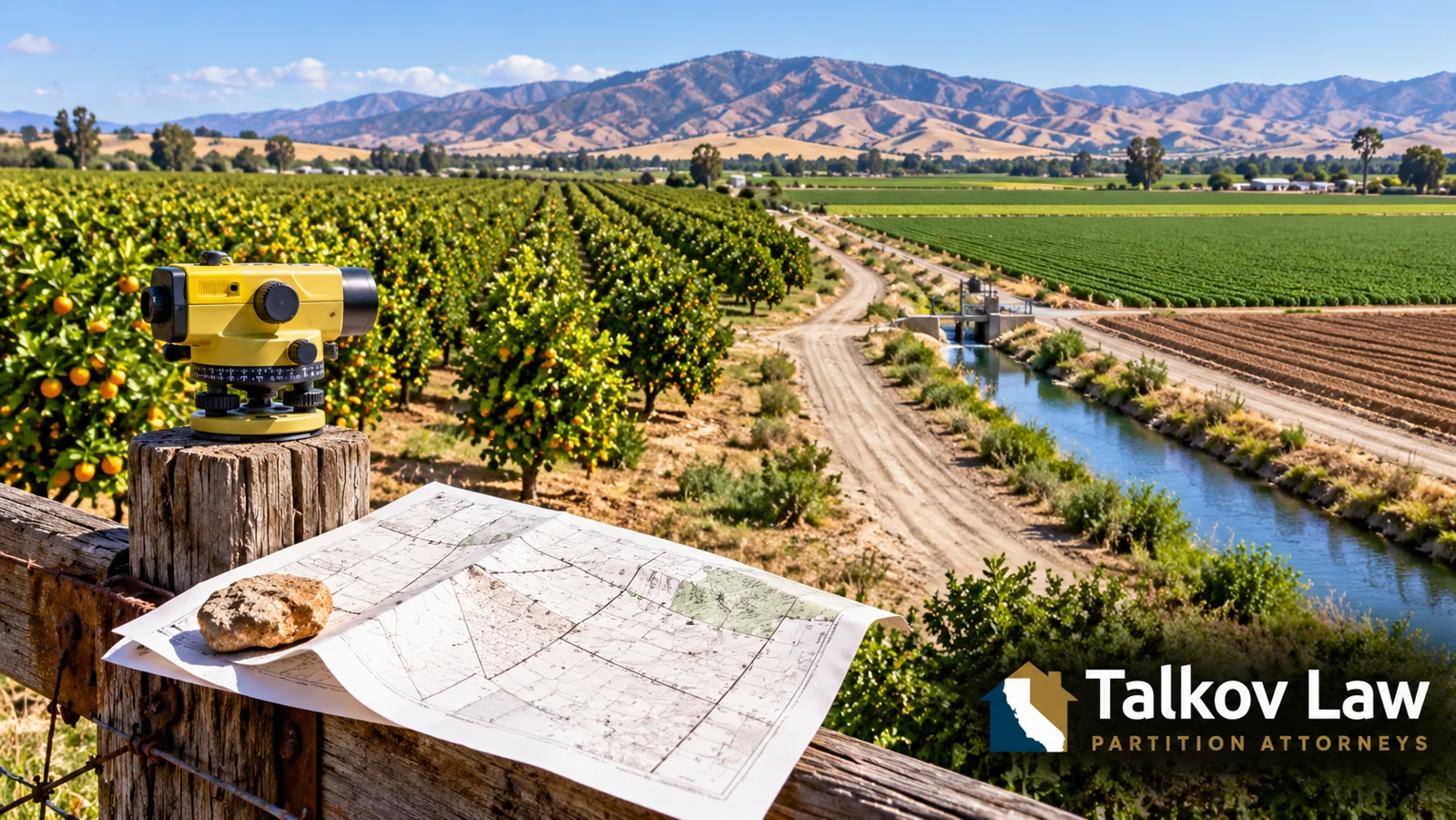
Agricultural land brings its own challenges in a partition action. Here is what co-owners of California farmland should know.

Often, yes. When co-owners reach an agreement before or during litigation, everyone wins. Here is how negotiation can end a co-ownership dispute.

Representing co-owners statewide. Find your nearest Talkov Law office.
Practical guides from attorneys who focus exclusively on California partition actions.
The information on this site, including the Talkov Law Blog, is intended for general information purposes only. By using this site, you agree that any information contained in the site does not constitute legal, financial or any other form of professional advice. Information on this site may be changed without notice and is not guaranteed to be complete, accurate, correct or up-to-date.







