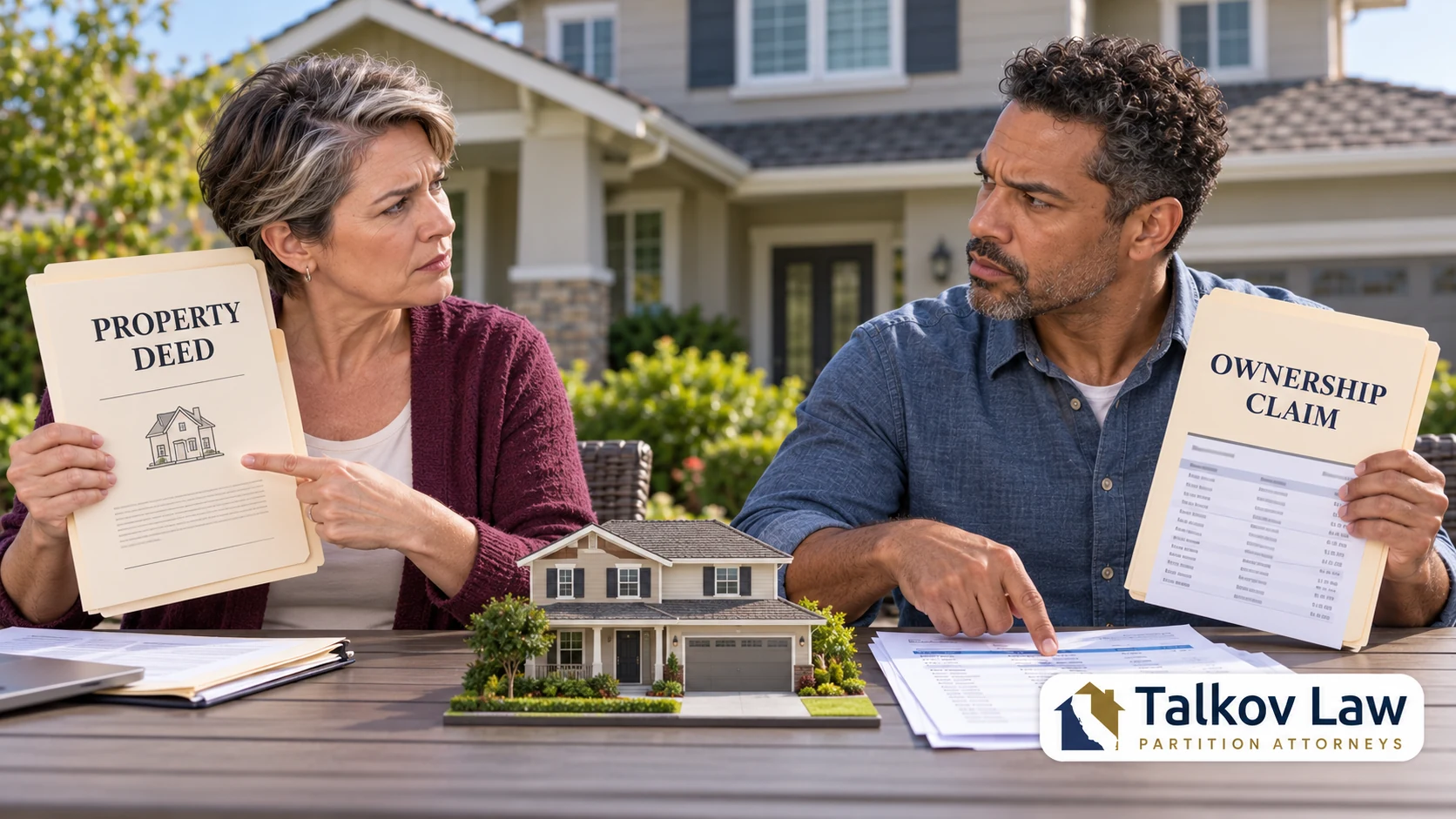
Quiet Title and Partition Actions for Co-Ownership Disputes
A quiet title action asks a court to decide who owns property. In co-ownership disputes, it is often paired with a partition action, which ends the co-ownership.
A quiet title action asks a court to decide who owns property. In co-ownership disputes, it is often paired with a partition action, which ends the co-ownership.

When a co-owner dies, you don’t have to wait for probate to sell. A joint tenant takes the whole property by survivorship; a tenant in common can force a sale through a partition action that joins the estate or heirs.

When you sell your share of a co-owned house, should you stay on the mortgage or get your name removed? Here are the risks and factors to weigh.
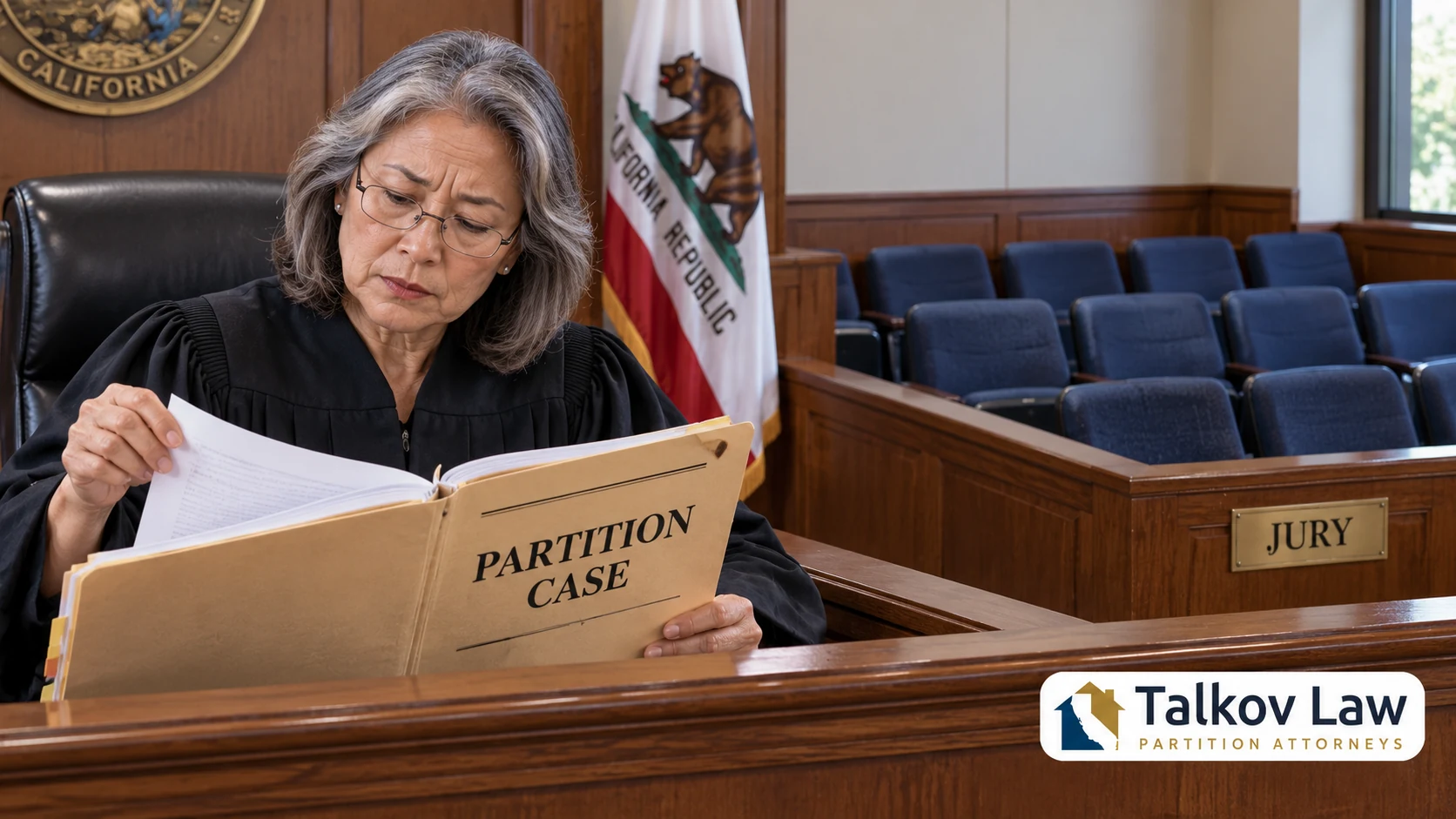
Generally not. A partition action is an equitable action, so a judge decides it, not a jury. Talkov Law has never seen a partition action go to a jury trial.
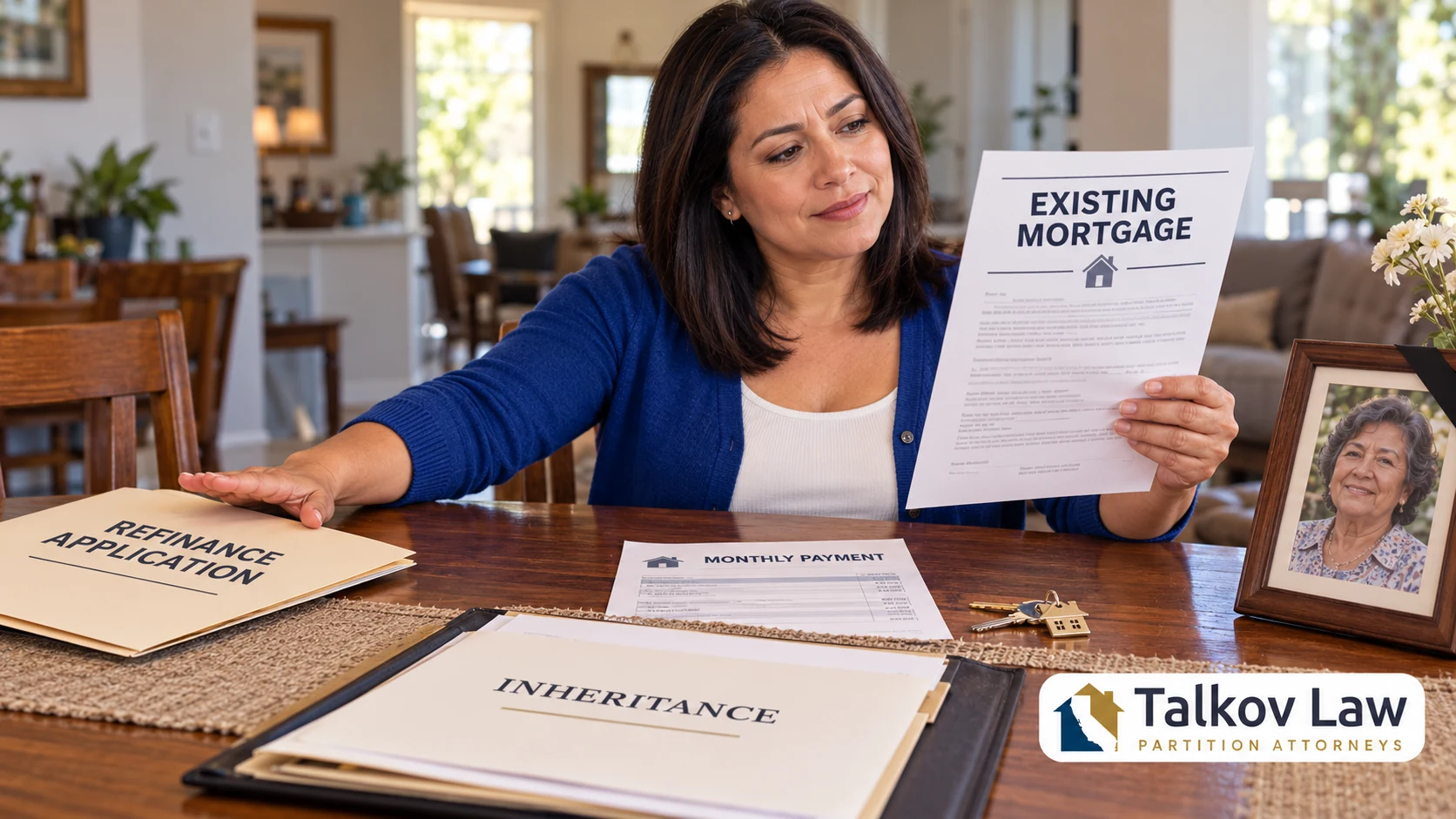
When you inherit a house with a mortgage in California, the lender generally cannot make you refinance just because the owner died, even when no borrower is still alive. Here is who pays and how heirs keep or sell the house.
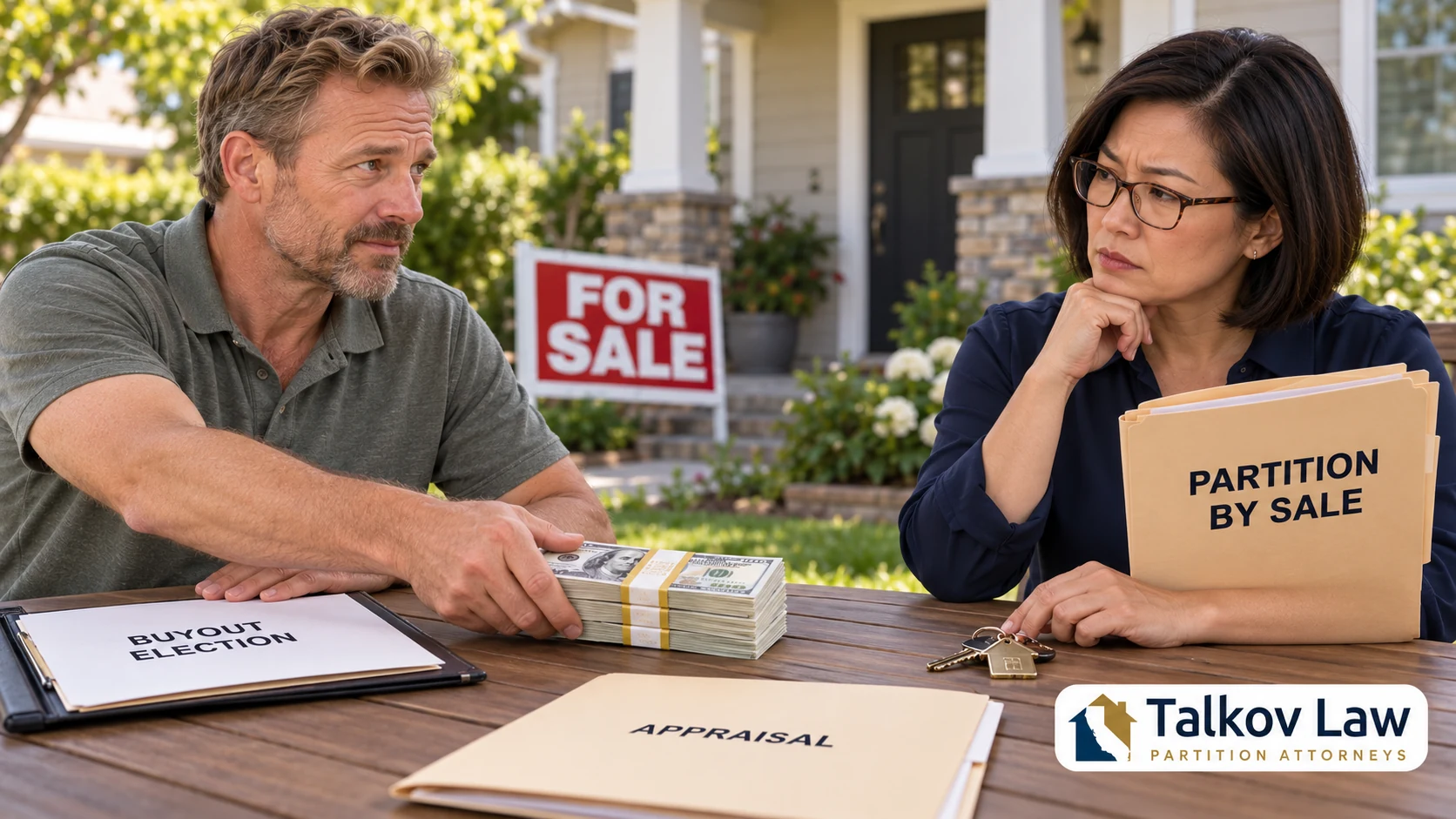
Yes. California Code of Civil Procedure section 874.317 lets a co-owner buy out the co-owners who requested a partition by sale, at a price based on the court’s valuation.
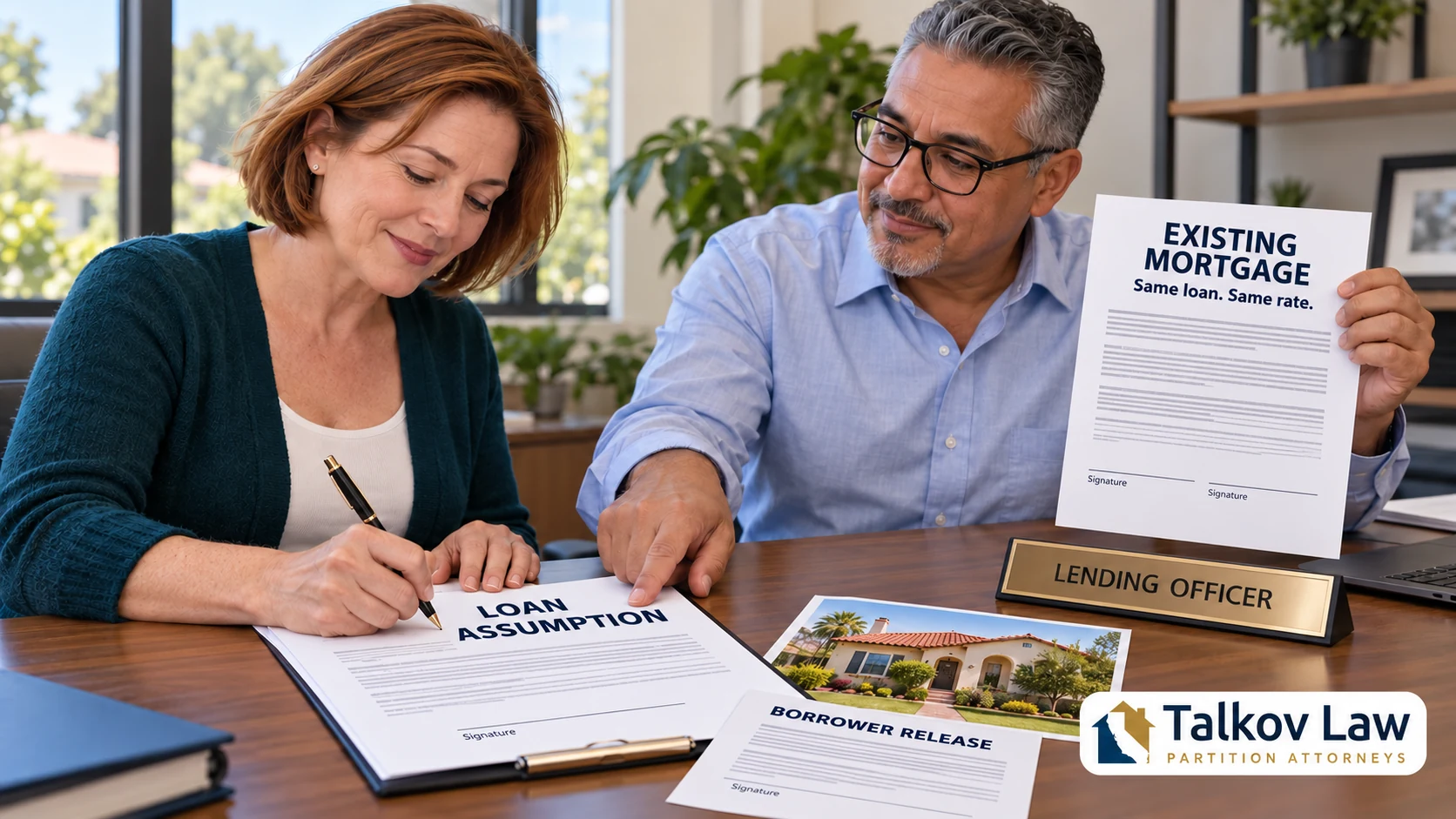
Being stuck on a mortgage with an uncooperative co-owner is hard. Here are the ways to separate yourself from the loan, including a refinance, a buyout, or a partition action.
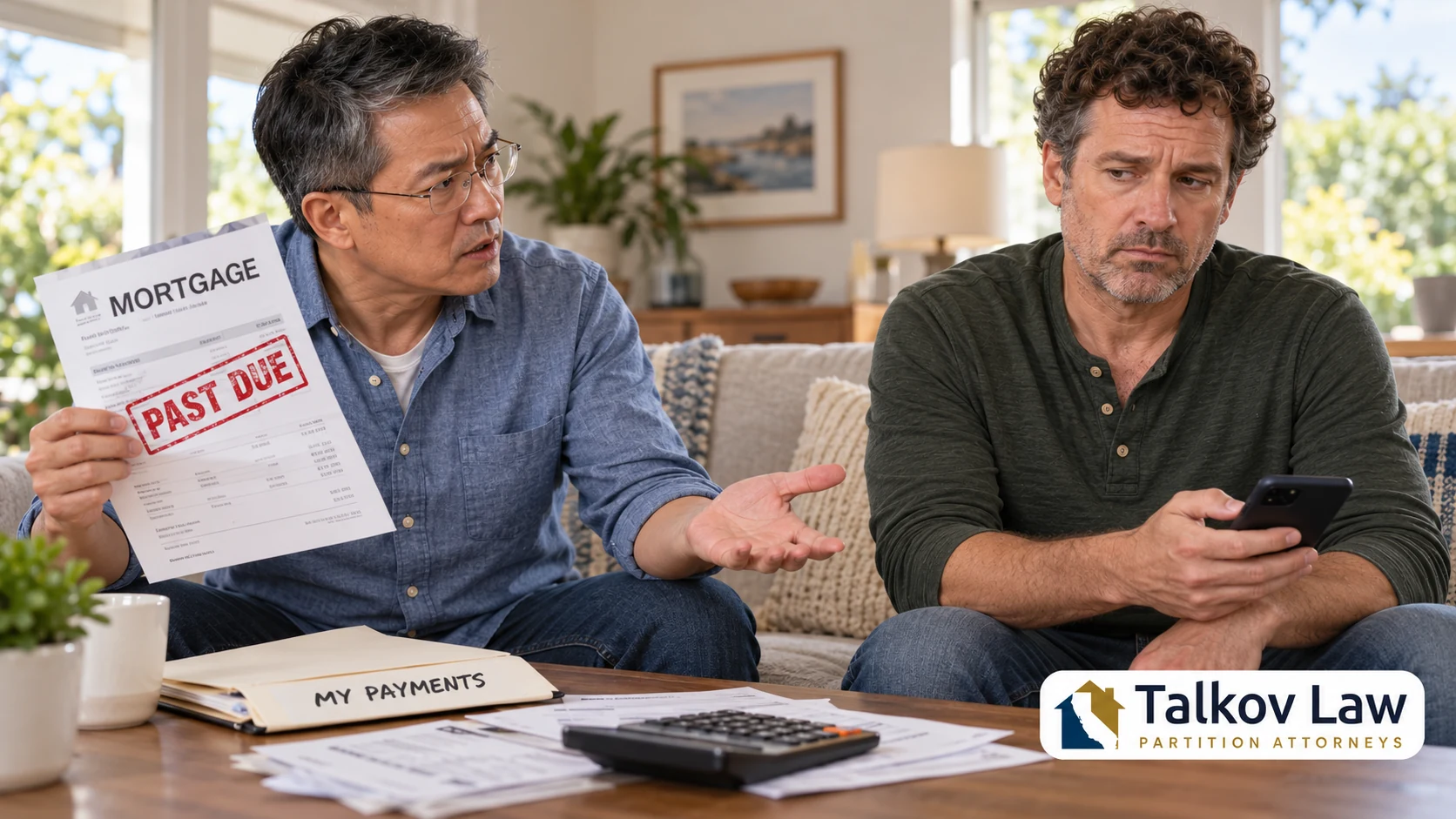
A co-owner who stops paying the mortgage is often an early sign of a larger dispute. A partition action can force a resolution and credit you for the payments you covered.
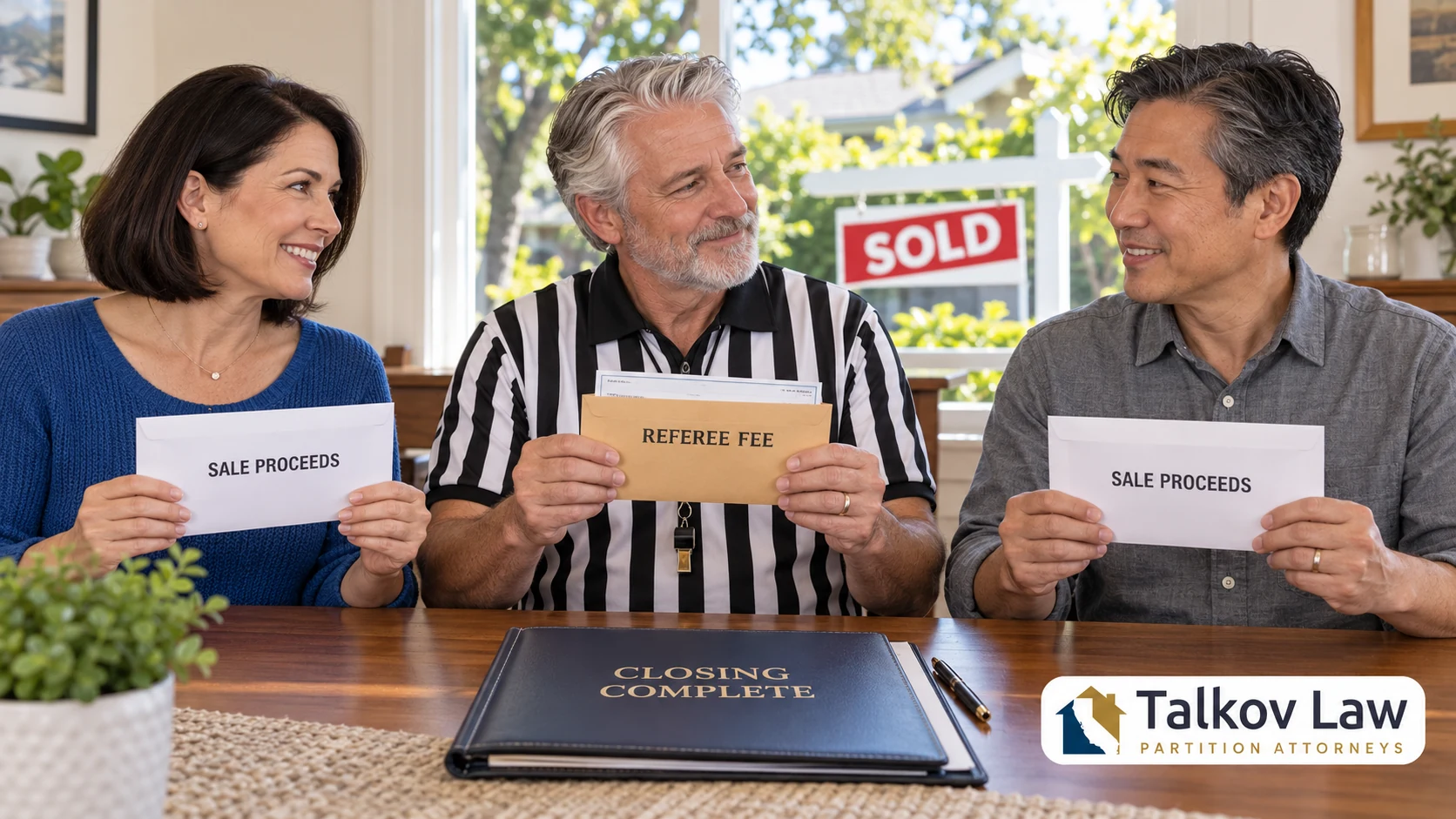
A partition referee is usually paid at the end of the case, typically from the sale proceeds at the same time the co-owners are paid.
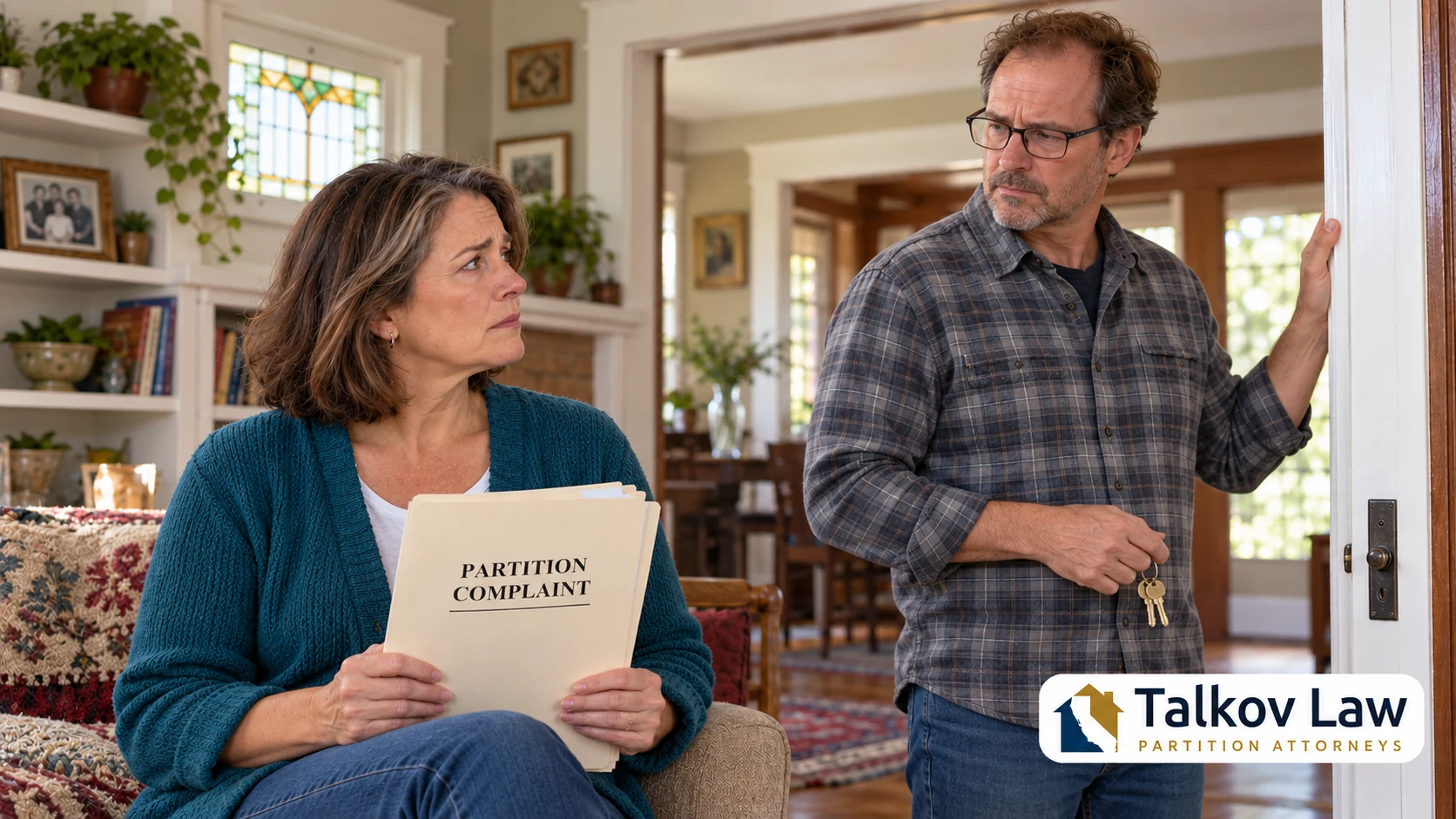
Heirs often disagree about inherited property, such as when one moves in and the others want to sell. If talks fail, a partition action may be the only way to get your share.
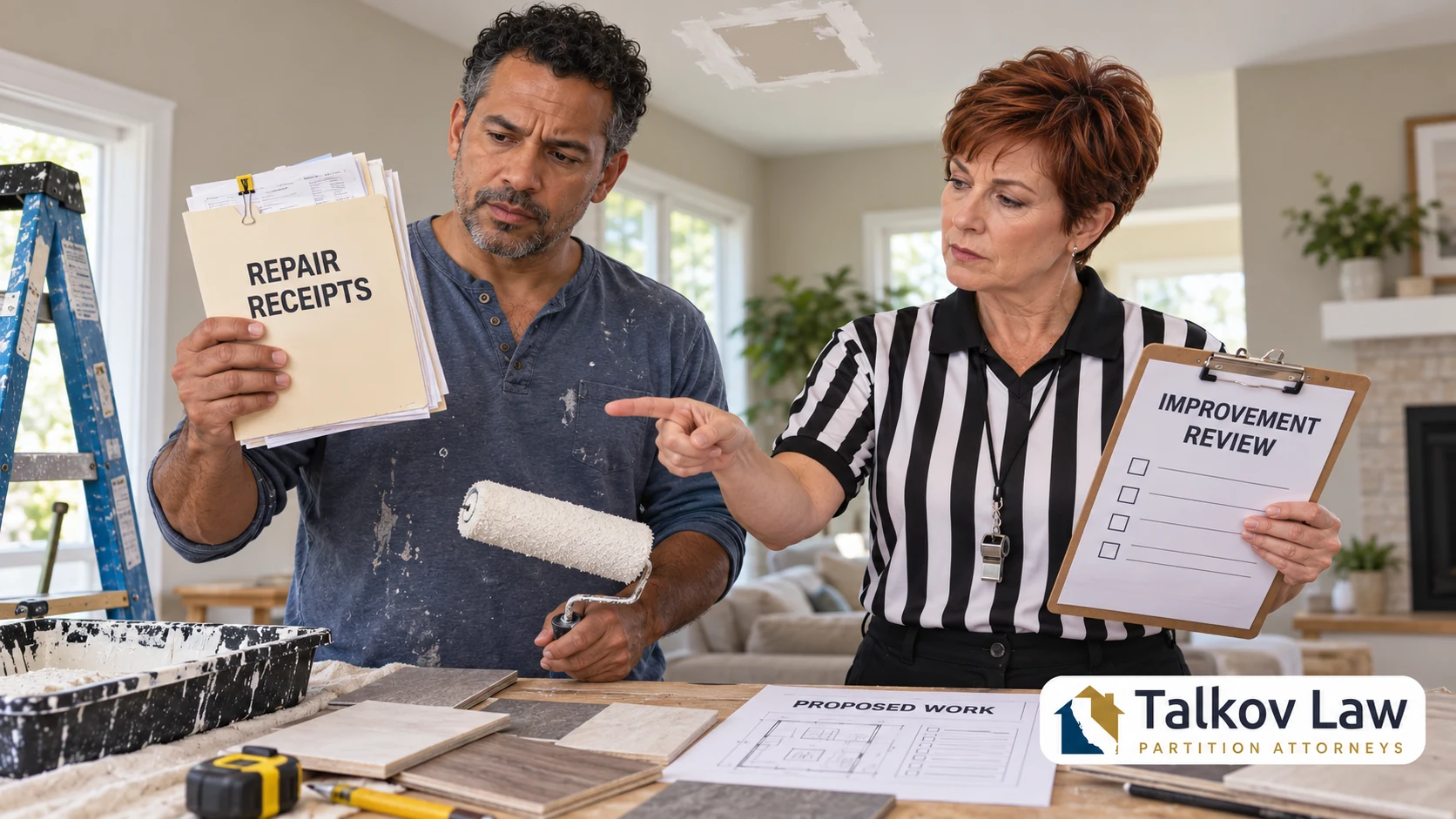
If you want to improve a co-owned property, timing matters. Here are the advantages and disadvantages of paying for improvements at each stage of a partition action.
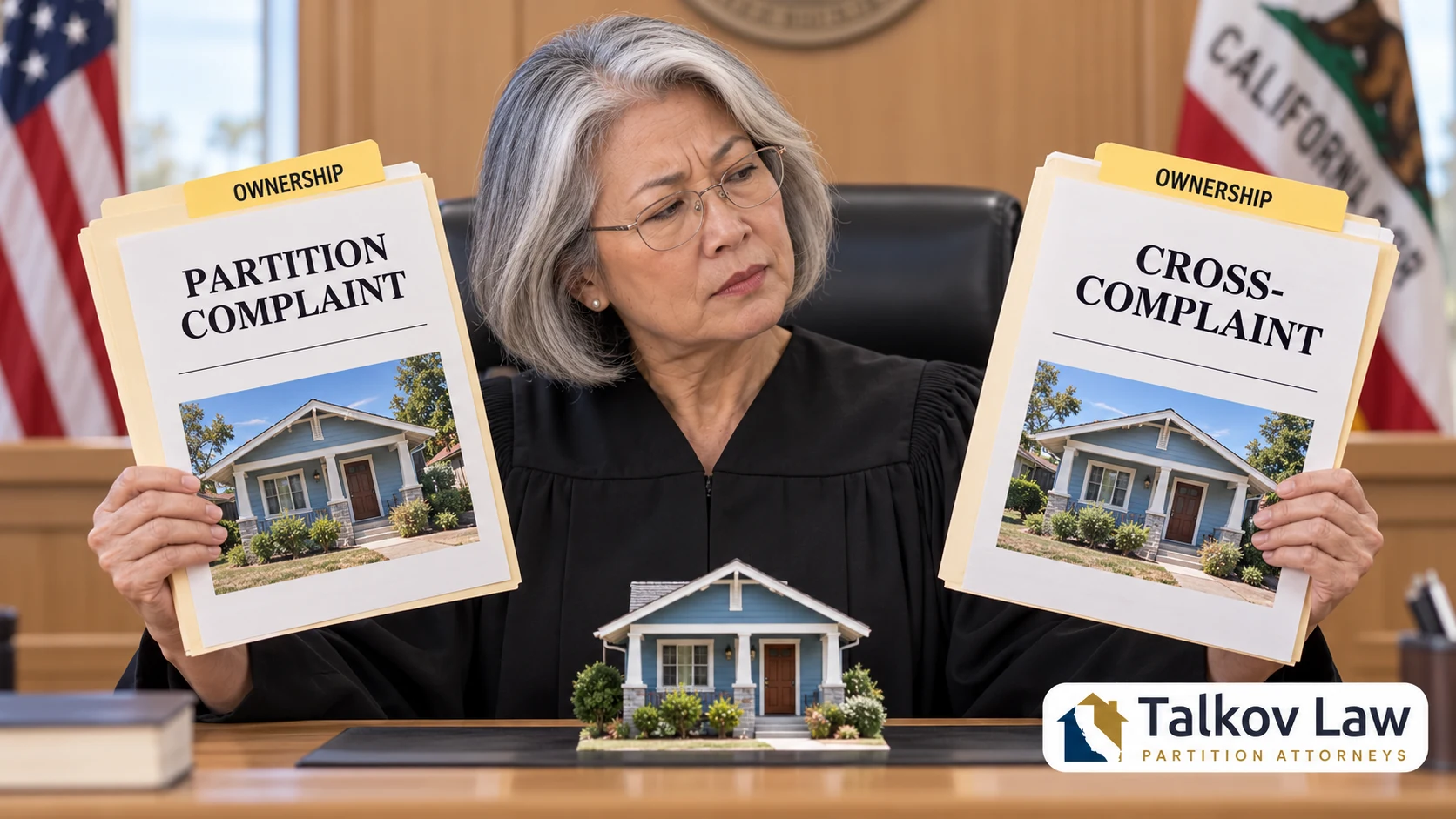
A cross-complaint for declaratory relief can clarify the parties’ rights in a partition action. But its value is limited for ownership disputes, since ownership is already at issue in every partition.
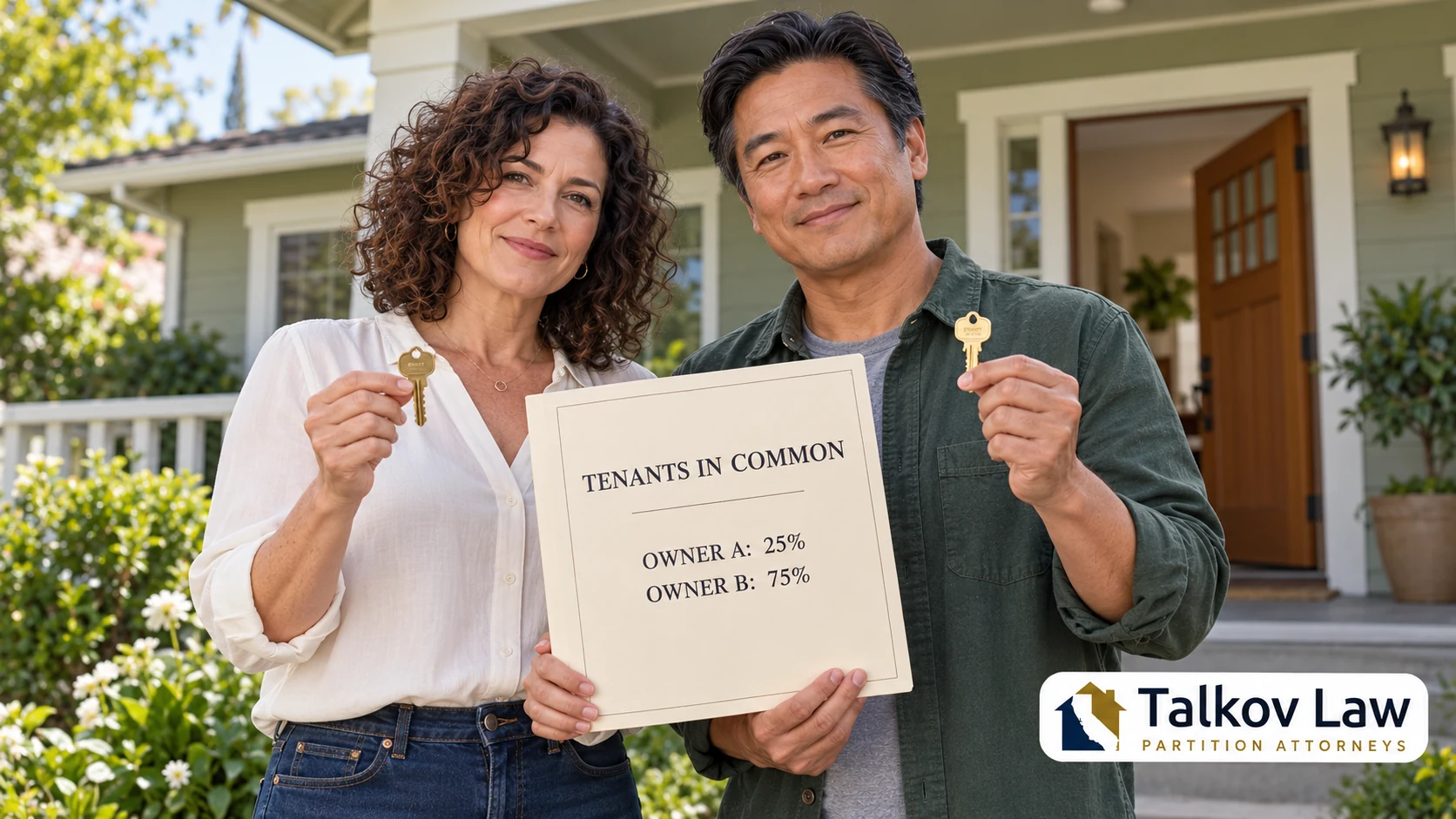
Tenancy in common is the most common and default form of co-ownership in California. Here is how it works and how it differs from joint tenancy.
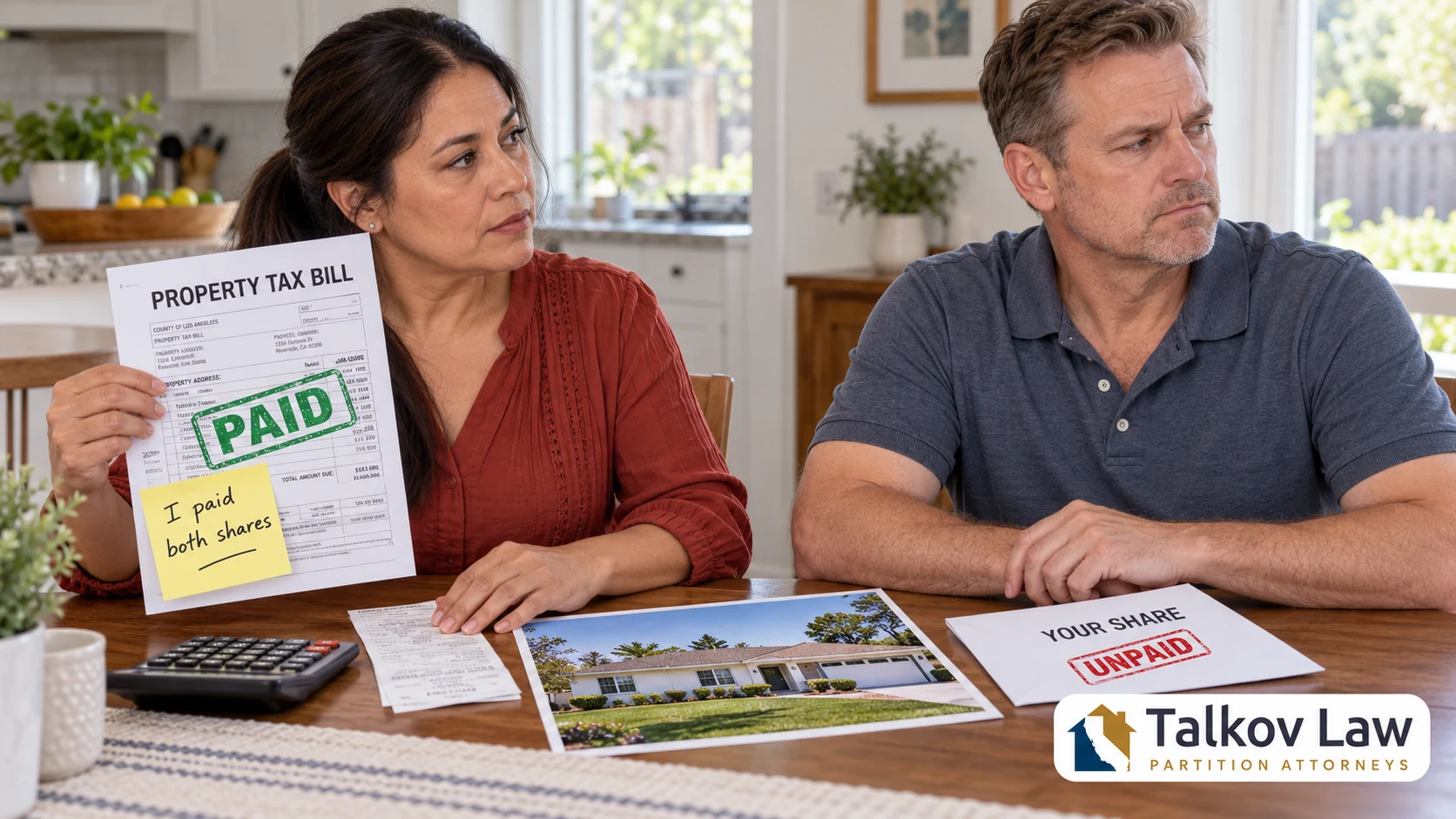
One co-owner often ends up paying all the property taxes, especially when another co-owner lives there. A partition action can credit the paying co-owner and end the dispute.

A notice of private sale is a required notice in a partition action. Despite the name, it usually means the referee is marketing the property to the public to get fair market value.
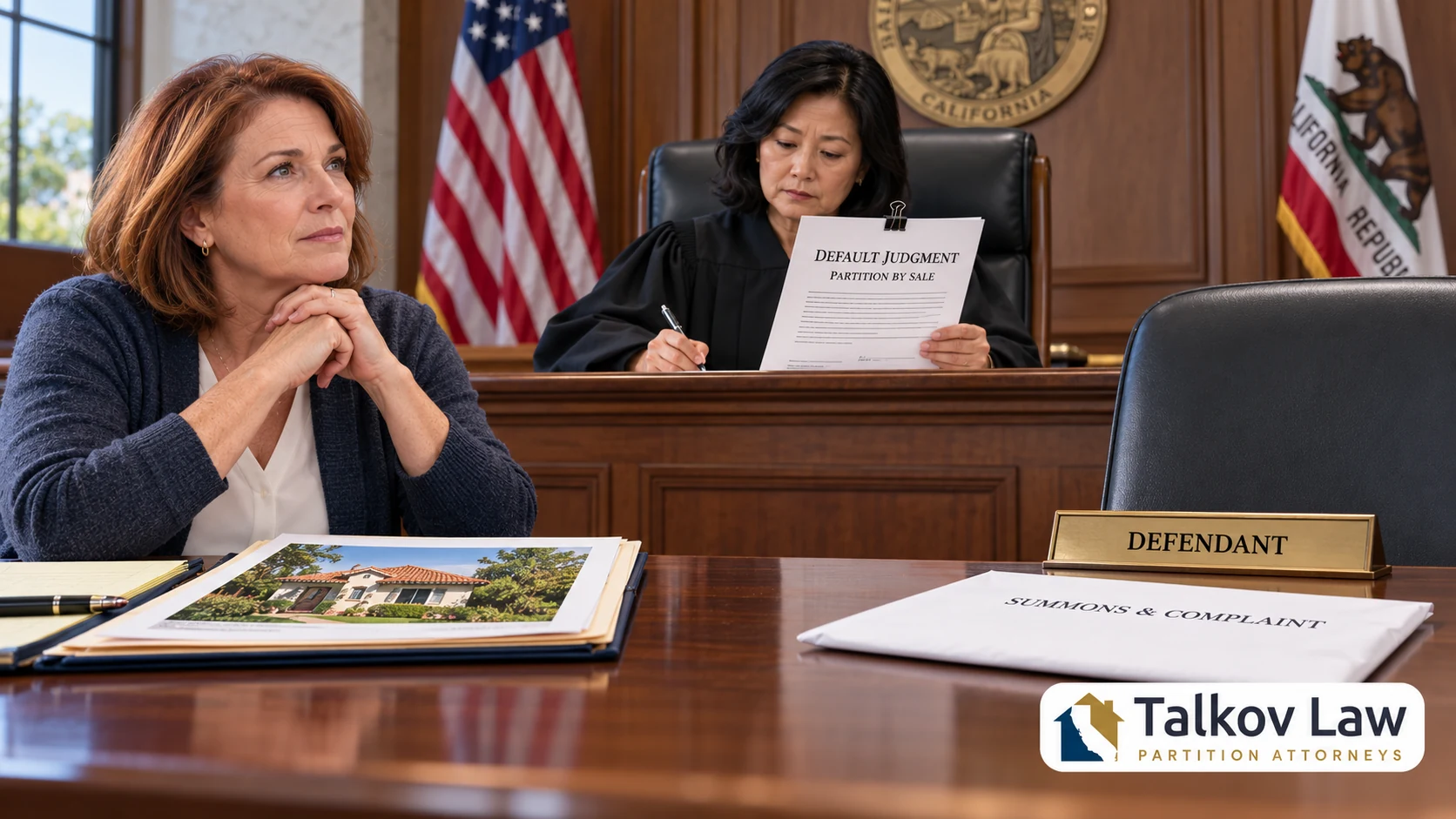
When defendants ignore a partition summons and complaint, the plaintiff can get a default judgment ordering the property partitioned, usually by sale.
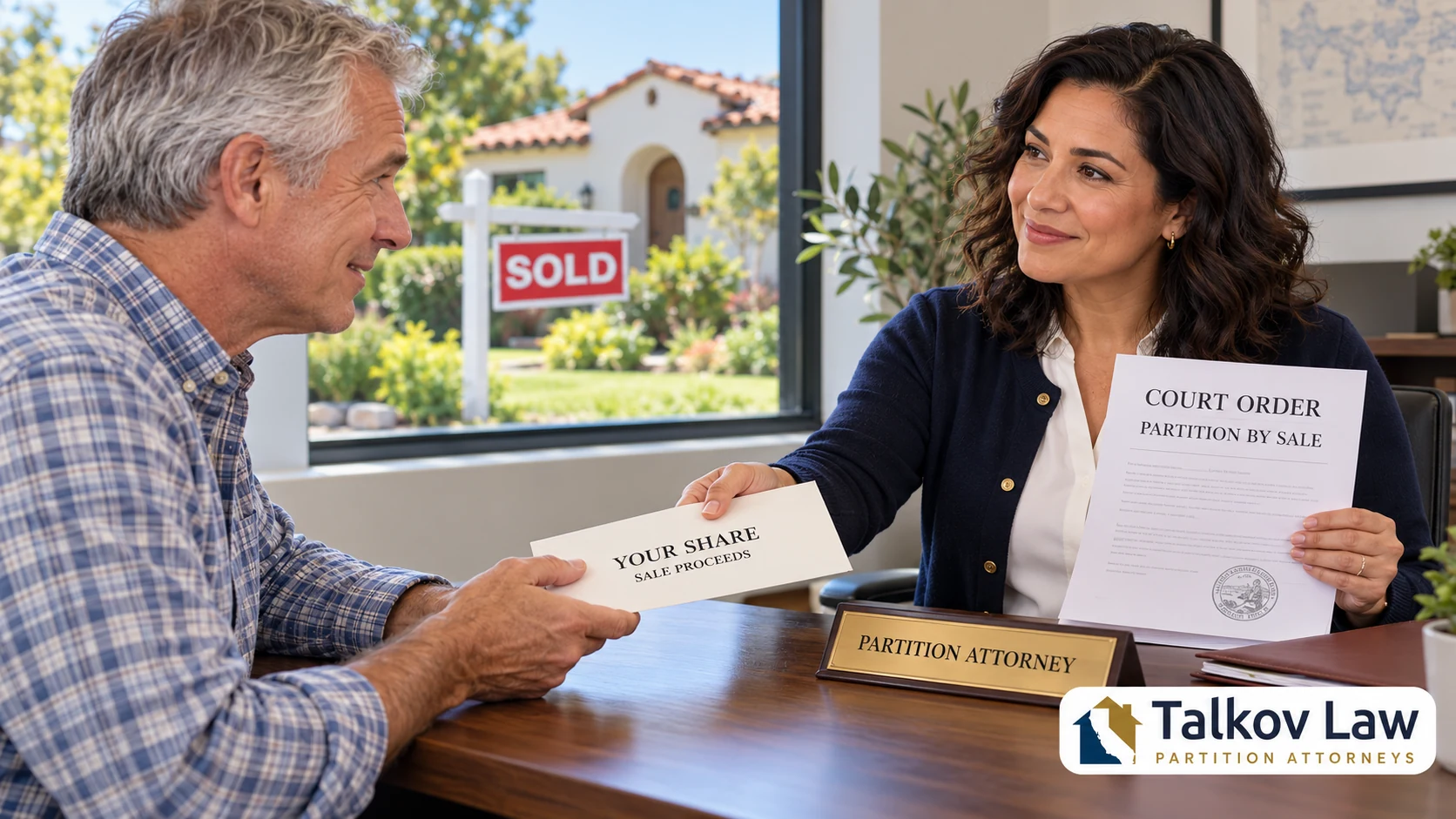
A partition lawyer represents co-owners of California property who can’t agree on whether to keep, sell, or buy out the property. The main tool is a partition action asking the court to order a sale or division.
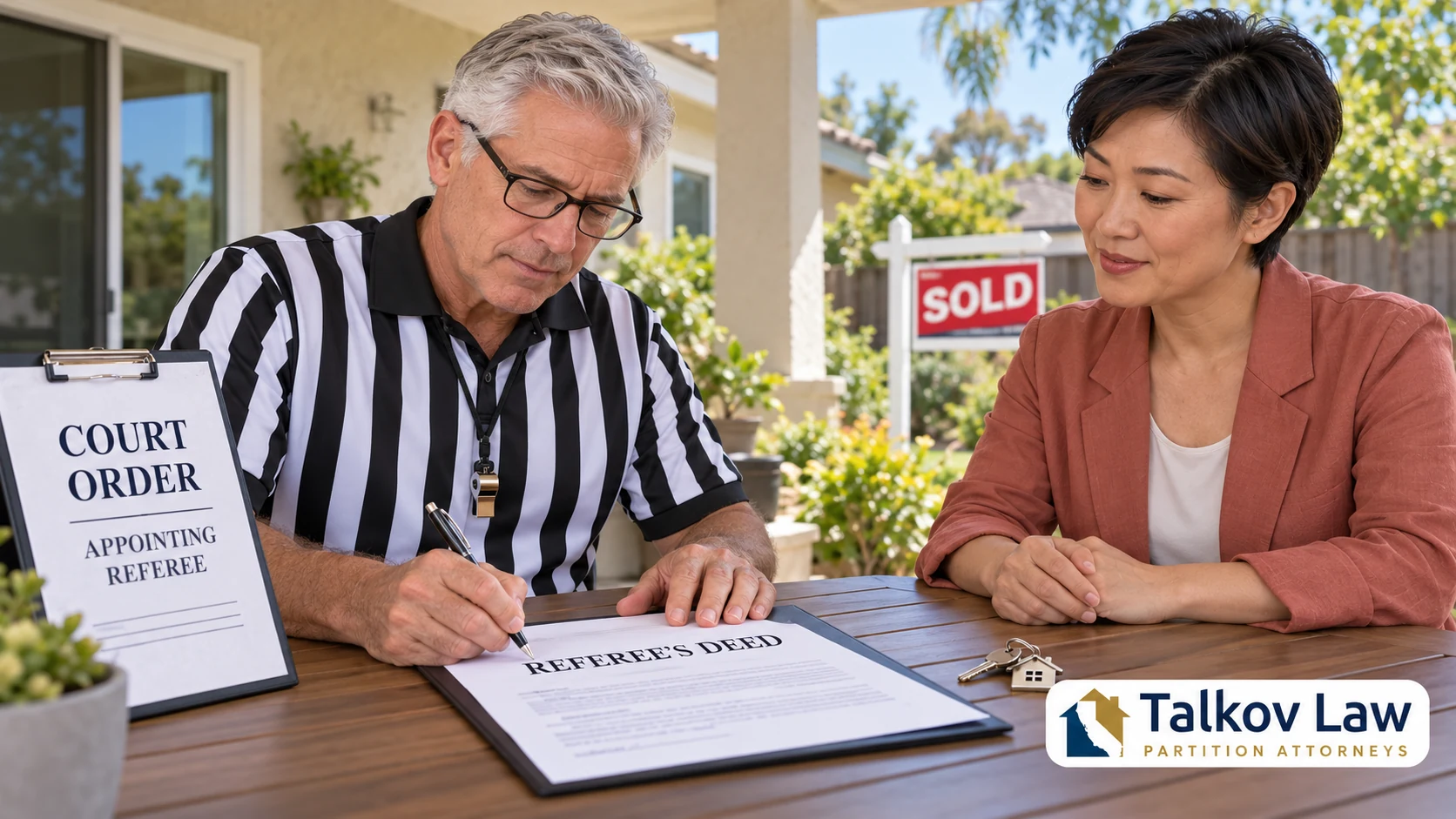
A California partition referee carries out a court-ordered sale or division of co-owned property. Learn what referees do, how they are selected and paid, and how a sale can proceed when a co-owner refuses to cooperate. Includes a California referee directory.
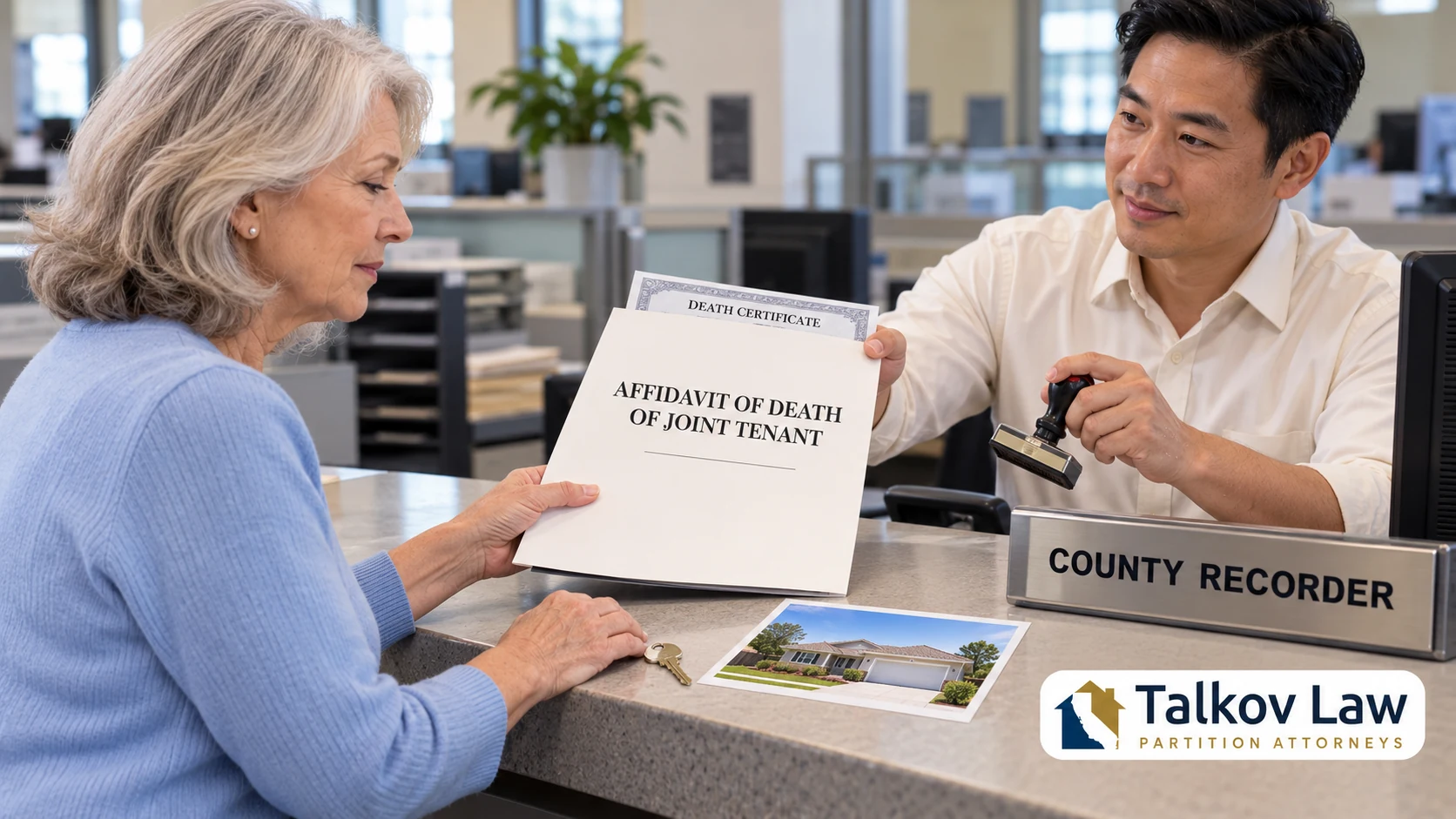
When a California joint tenant dies, the survivor takes their share by right of survivorship and records an affidavit of death to show the change in ownership. Here is how it works.
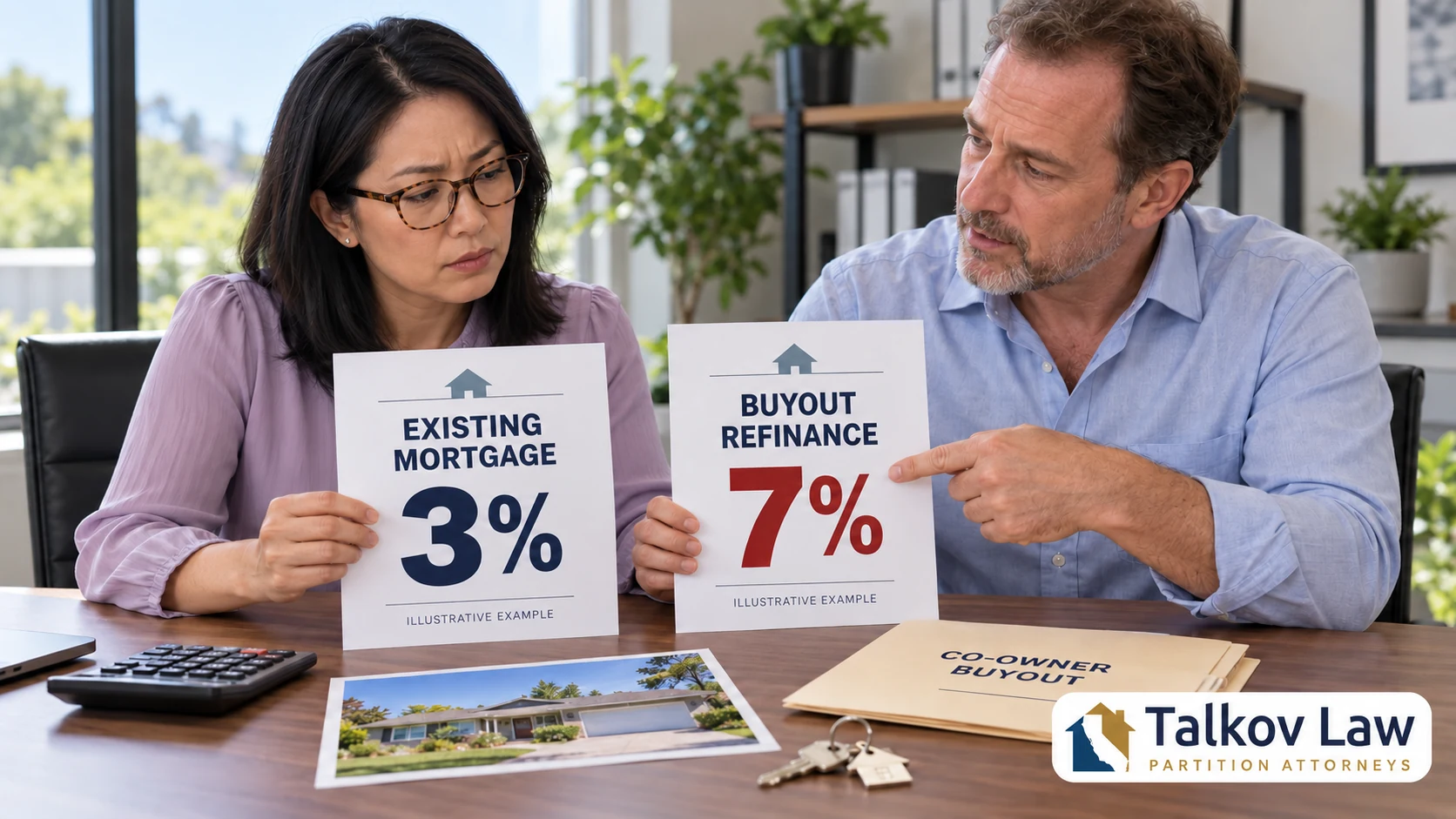
Higher interest rates make co-owner buyouts harder, because the buying co-owner must borrow at a higher cost. That changes partition strategy for both sides.
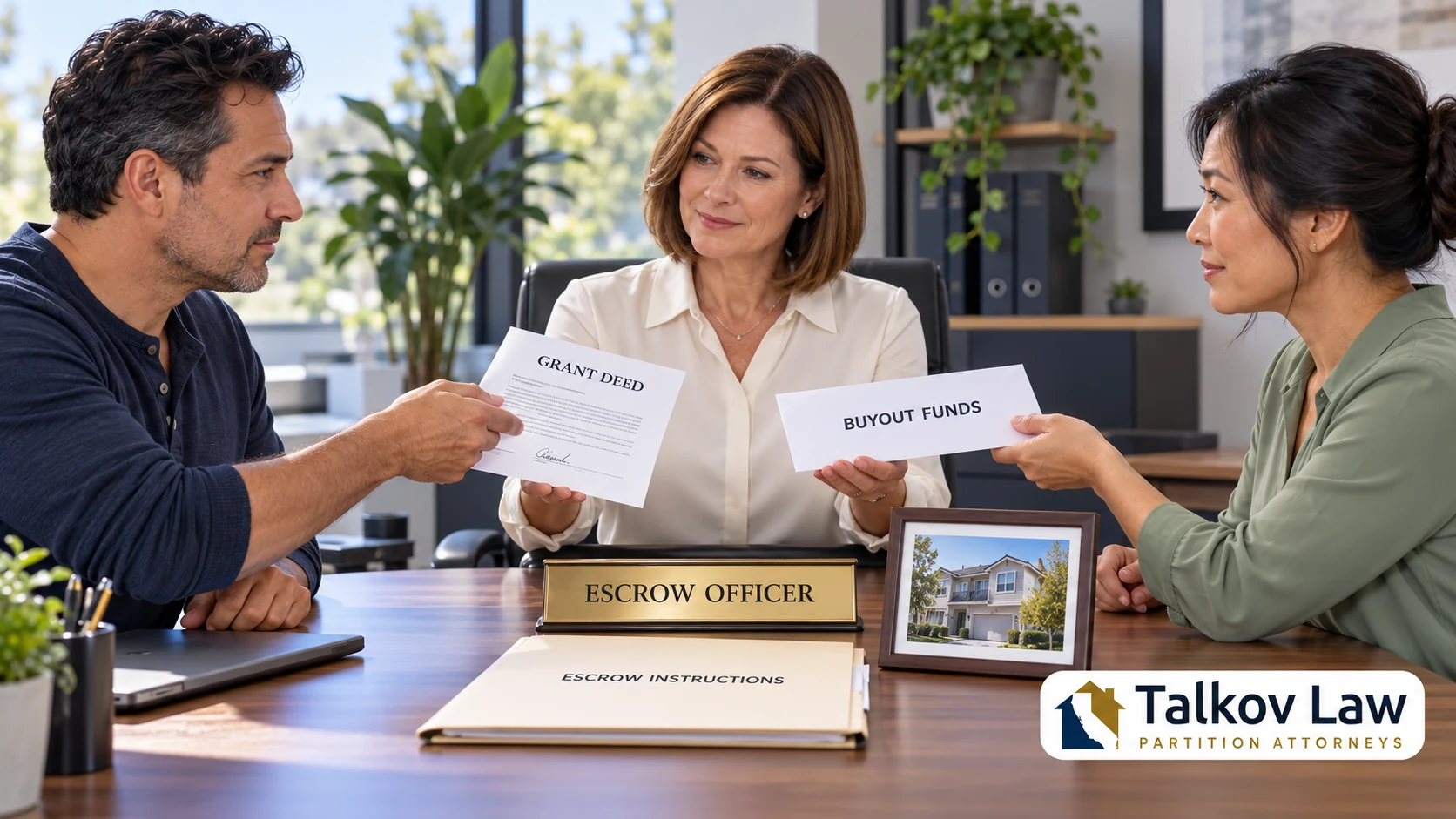
Use escrow to coordinate a California co-owner buyout. Review the price, liens, loan release, deed, closing deadlines, and protections if financing fails.
How assertive you need to be to force a sale or buyout depends mostly on how cooperative your co-owner is and how much money is at stake.
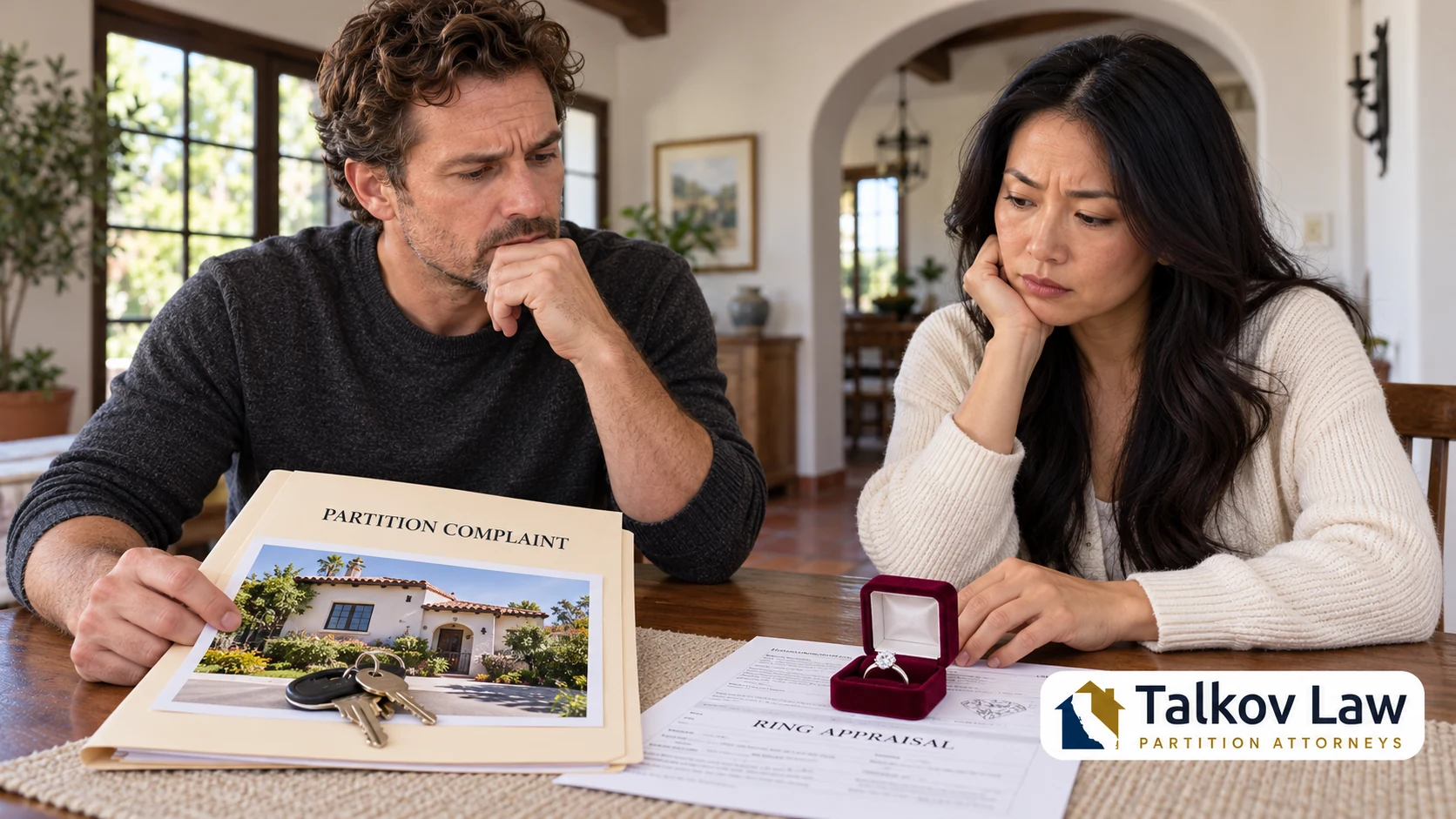
Many partition actions follow a broken engagement, and the engagement ring often becomes part of the fight. Here is how California law treats the ring.
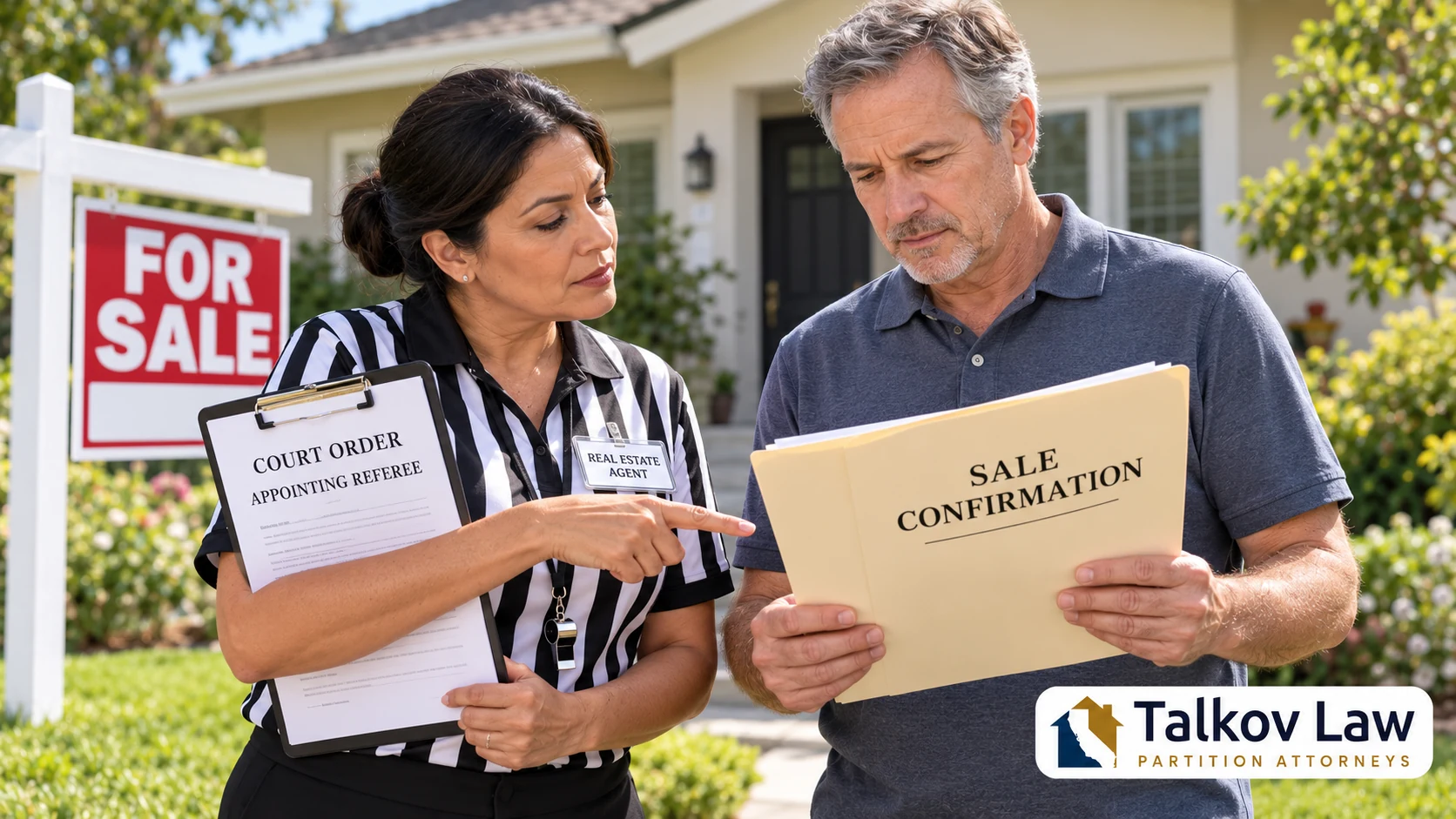
Yes, but it’s nuanced. A Realtor can serve as a partition referee, though the role involves more than listing the property, so co-owners should weigh the pros and cons.
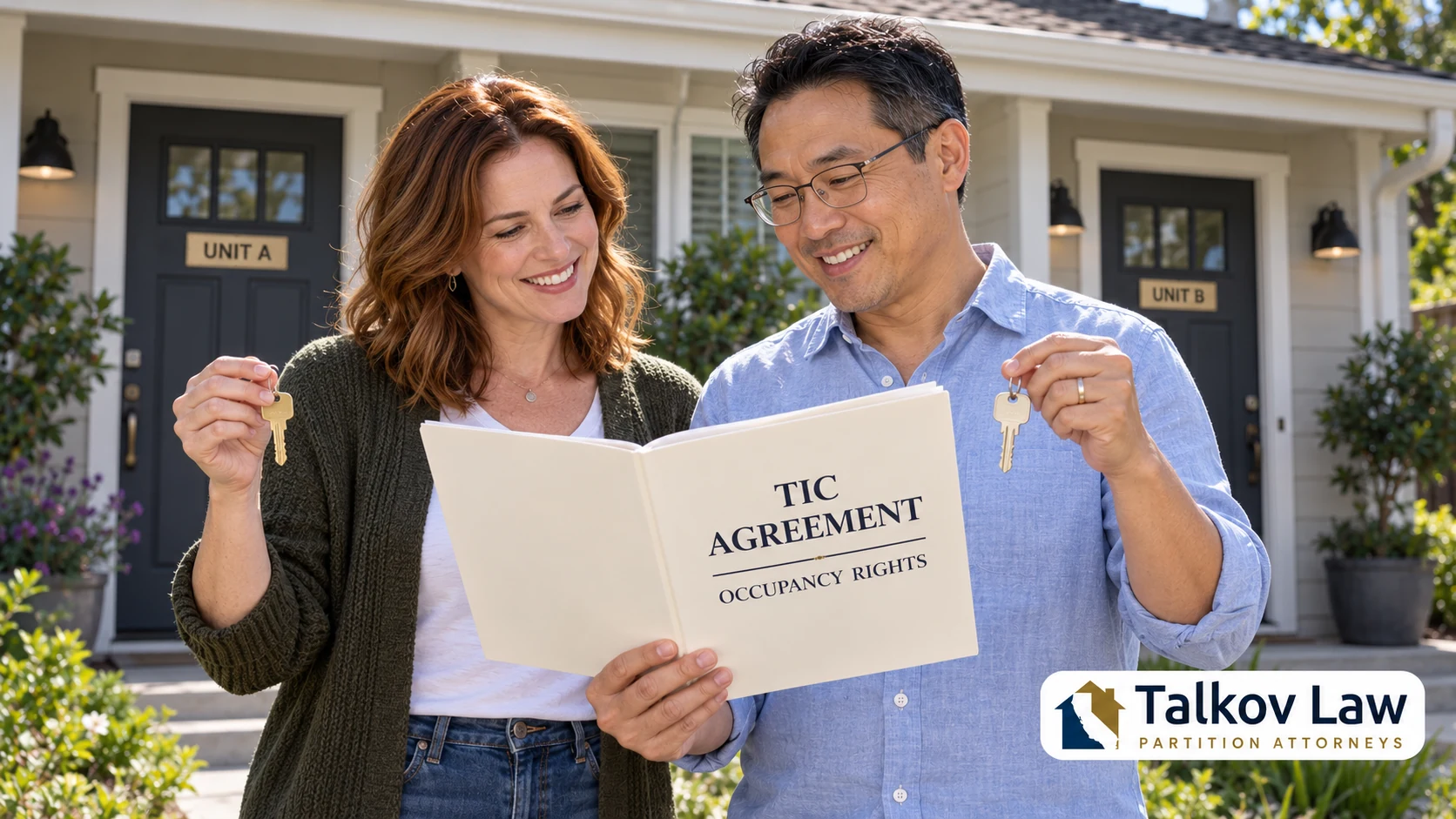
A tenants in common agreement lets unrelated co-owners share one property, often divided into separate units. Long popular in San Francisco, these agreements are spreading to Los Angeles.

Representing co-owners statewide. Find your nearest Talkov Law office.
Practical guides from attorneys who focus exclusively on California partition actions.
The information on this site, including the Talkov Law Blog, is intended for general information purposes only. By using this site, you agree that any information contained in the site does not constitute legal, financial or any other form of professional advice. Information on this site may be changed without notice and is not guaranteed to be complete, accurate, correct or up-to-date.







