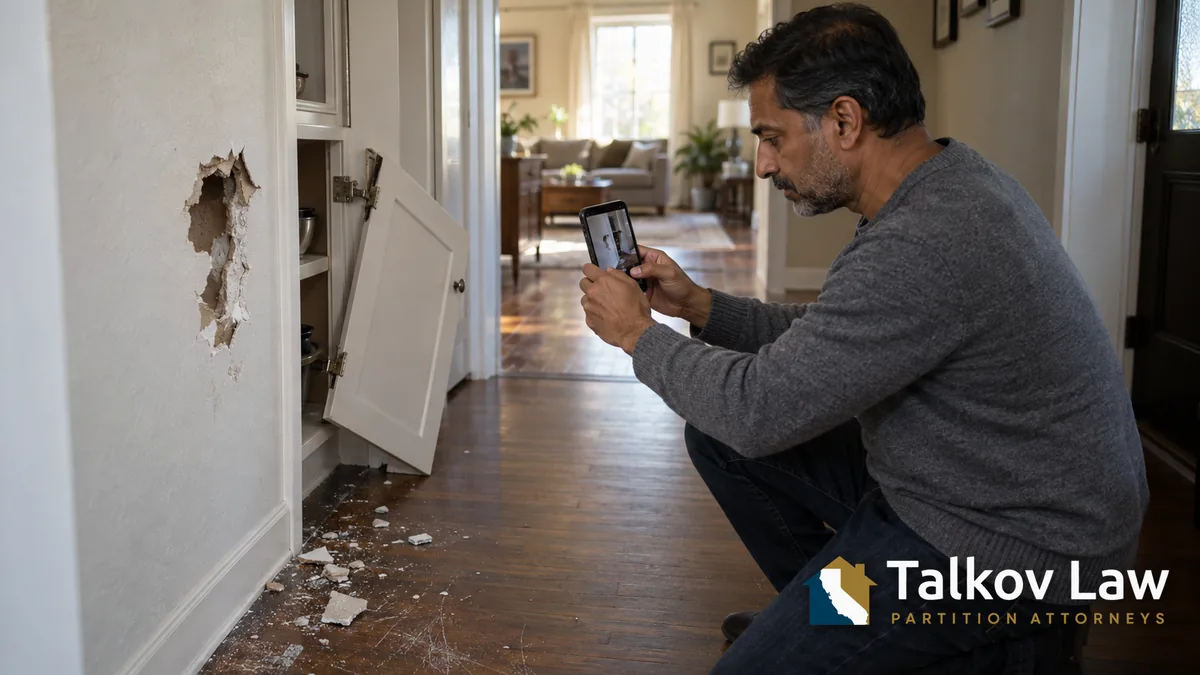
What If My Co-Owner Damages the Property in California?
California co-owners may have remedies when another co-owner damages property, including a waste claim that can carry potential treble damages, an injunction, or a partition accounting.
Credit for money spent on repairs and improvements to California co-owned property.
California co-owners may have remedies when another co-owner damages property, including a waste claim that can carry potential treble damages, an injunction, or a partition accounting.
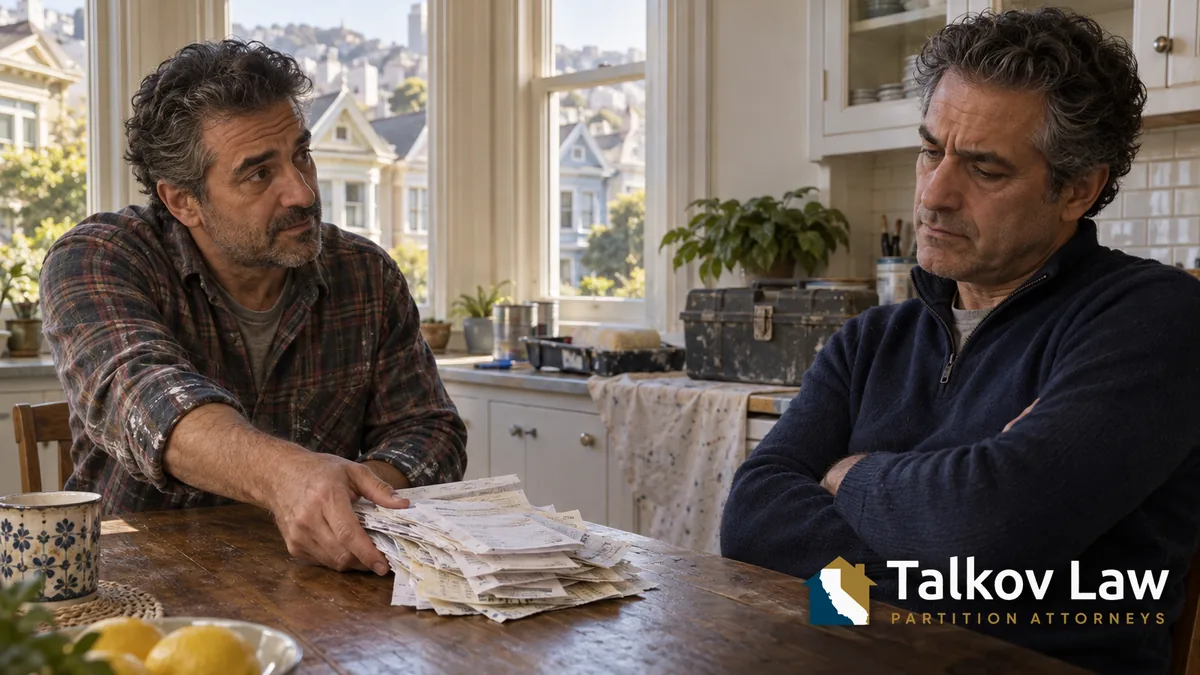
In Gerontopoulos v. Gerontopoulos, the California Court of Appeal affirmed a partition and upheld a ruling that limited the occupying family’s claim for ordinary repairs and improvements to $180, even though they claimed more than $3,000.
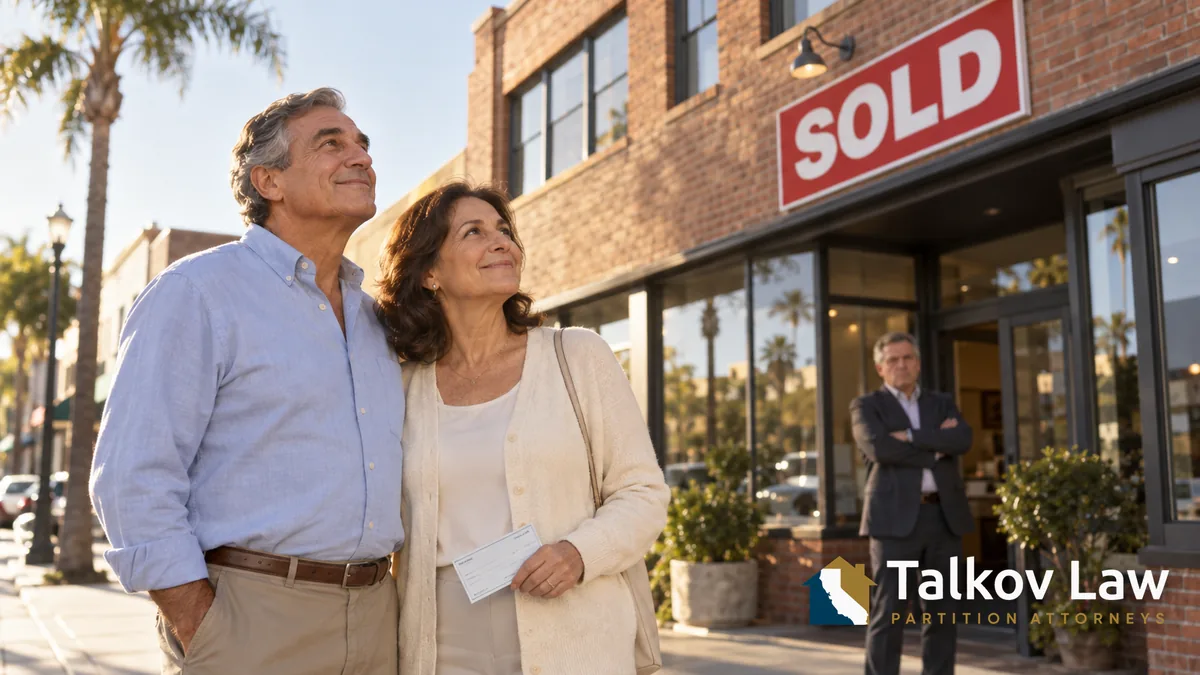
In Mercola v. Chester, the California Court of Appeal approved a partition sale that repaid the co-owners who funded a building before any profit was split by ownership share.
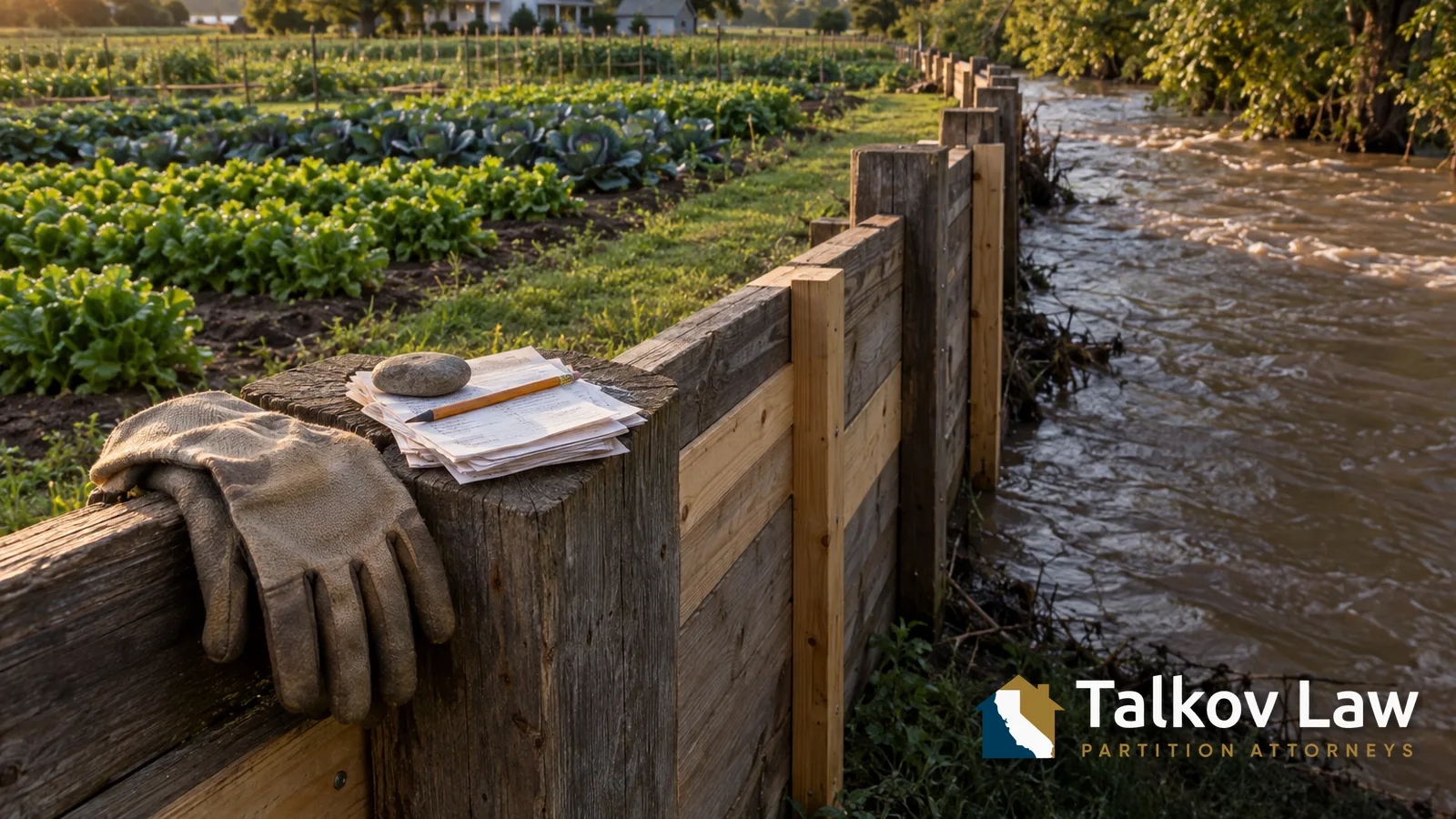
In Ventre v. Tiscornia, the California Court of Appeal held that a co-owner who pays for necessary improvements in good faith must be credited for them in a partition, even without the other owner’s consent.
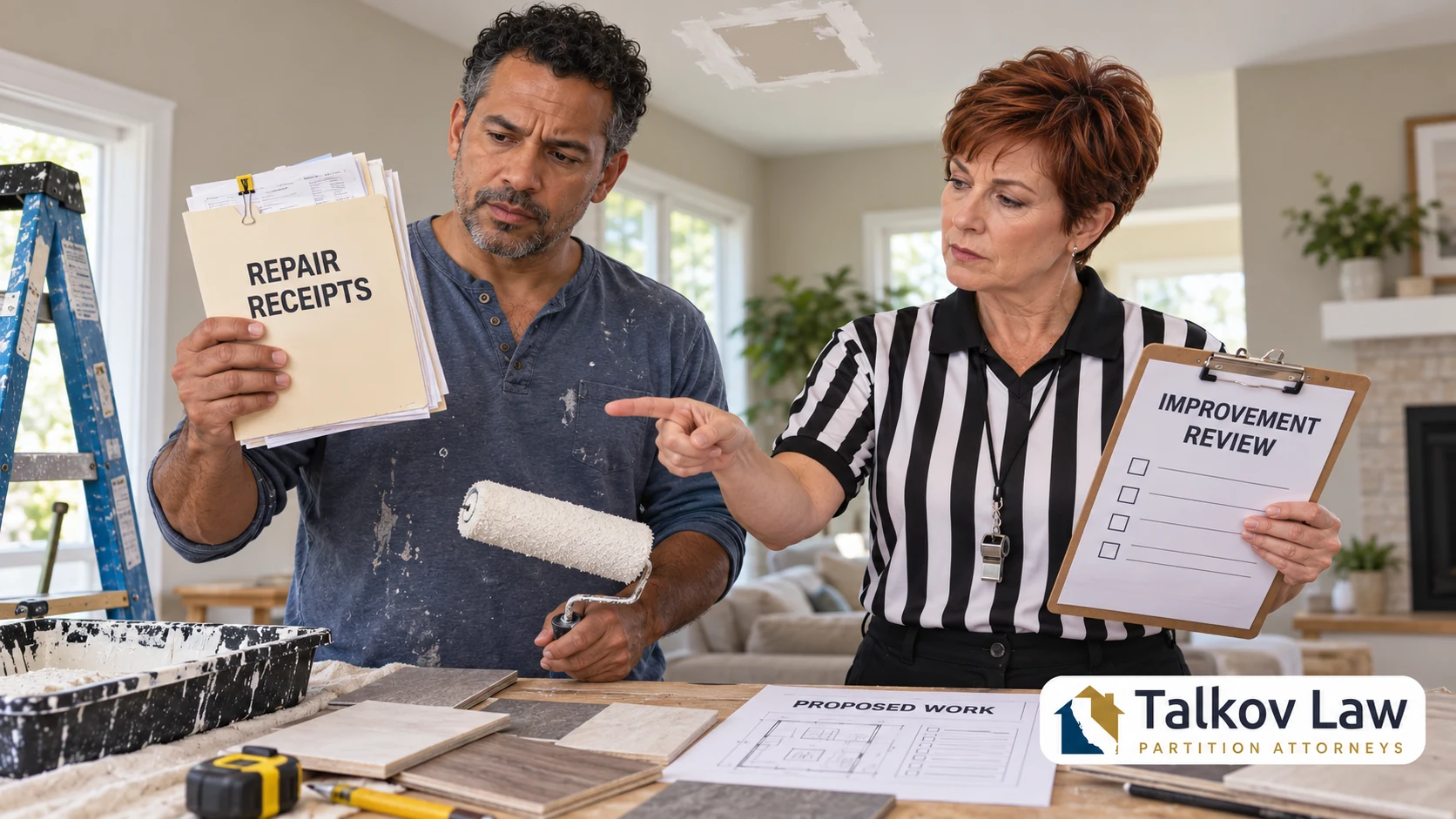
If you want to improve a co-owned property, timing matters. Here are the advantages and disadvantages of paying for improvements at each stage of a partition action.
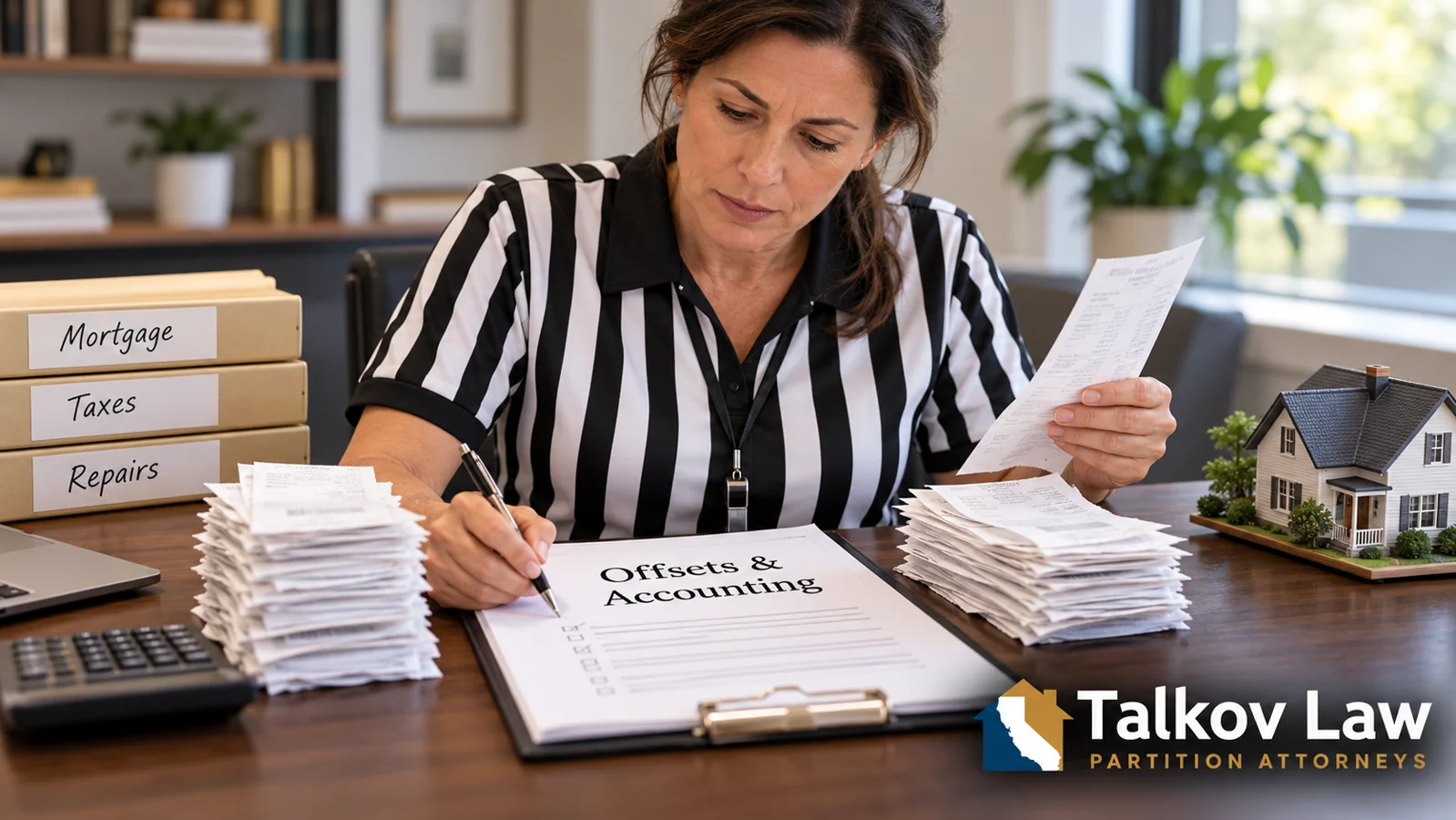
A partition referee can report on offsets for the down payment, mortgage, and taxes faster than a trial. Learn how it works and what evidence to bring.
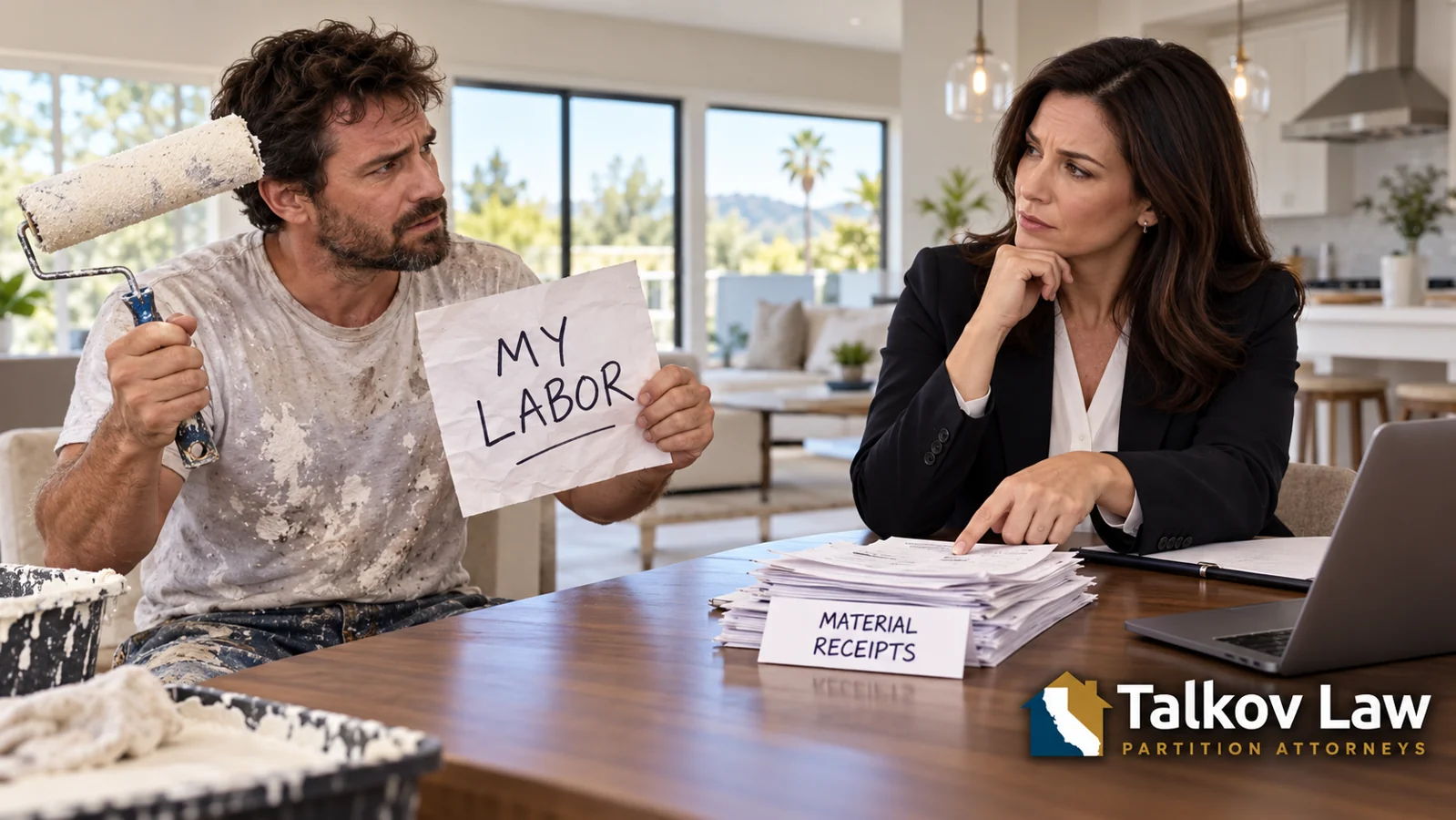
In a partition action, a co-owner who made unequal contributions may recover offsets. Here is whether that includes compensation for your own time and labor on improvements and management.
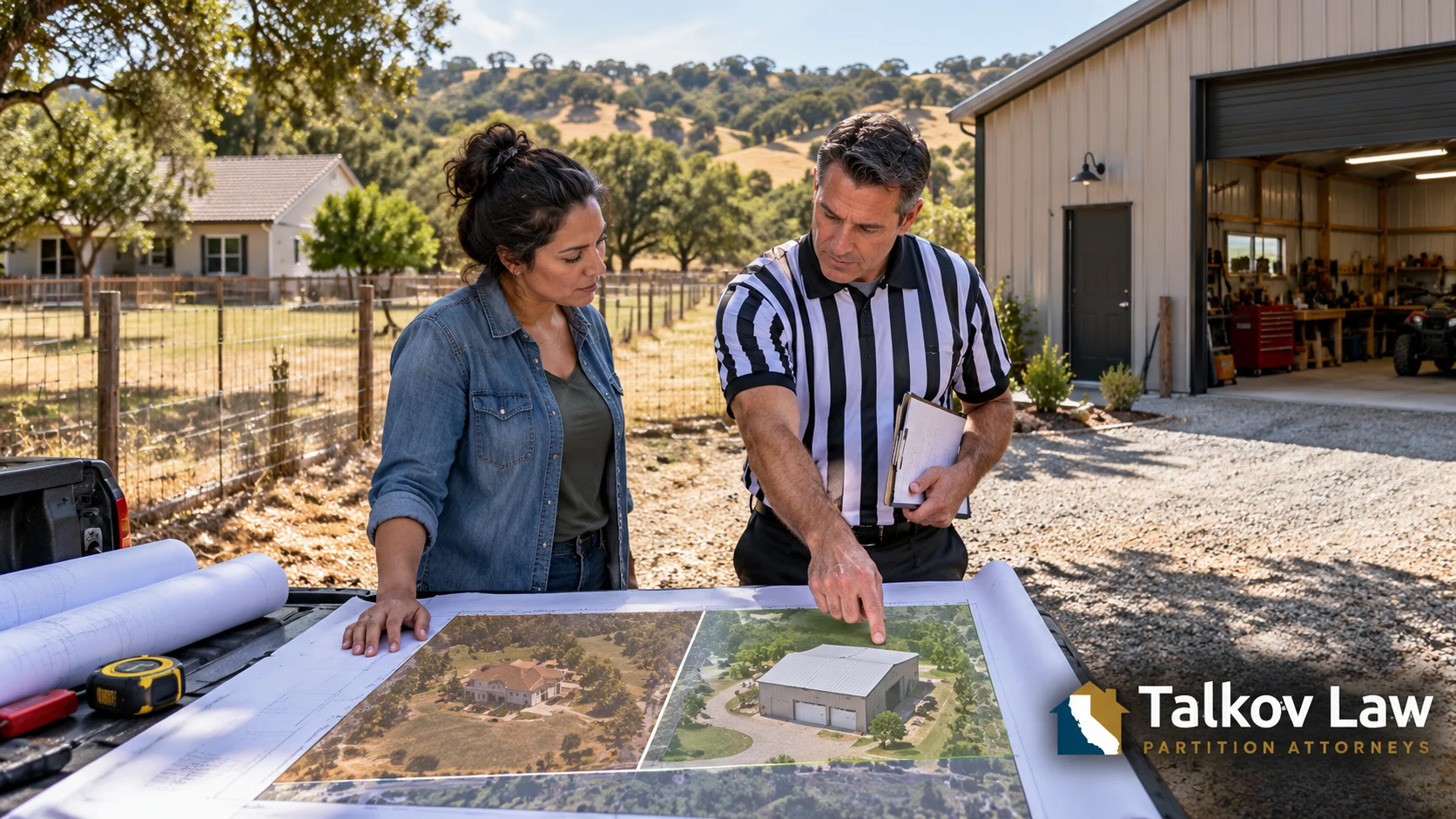
Code of Civil Procedure section 873.220 lets a partition in kind allot to a party the portion of the property that includes improvements that party made.
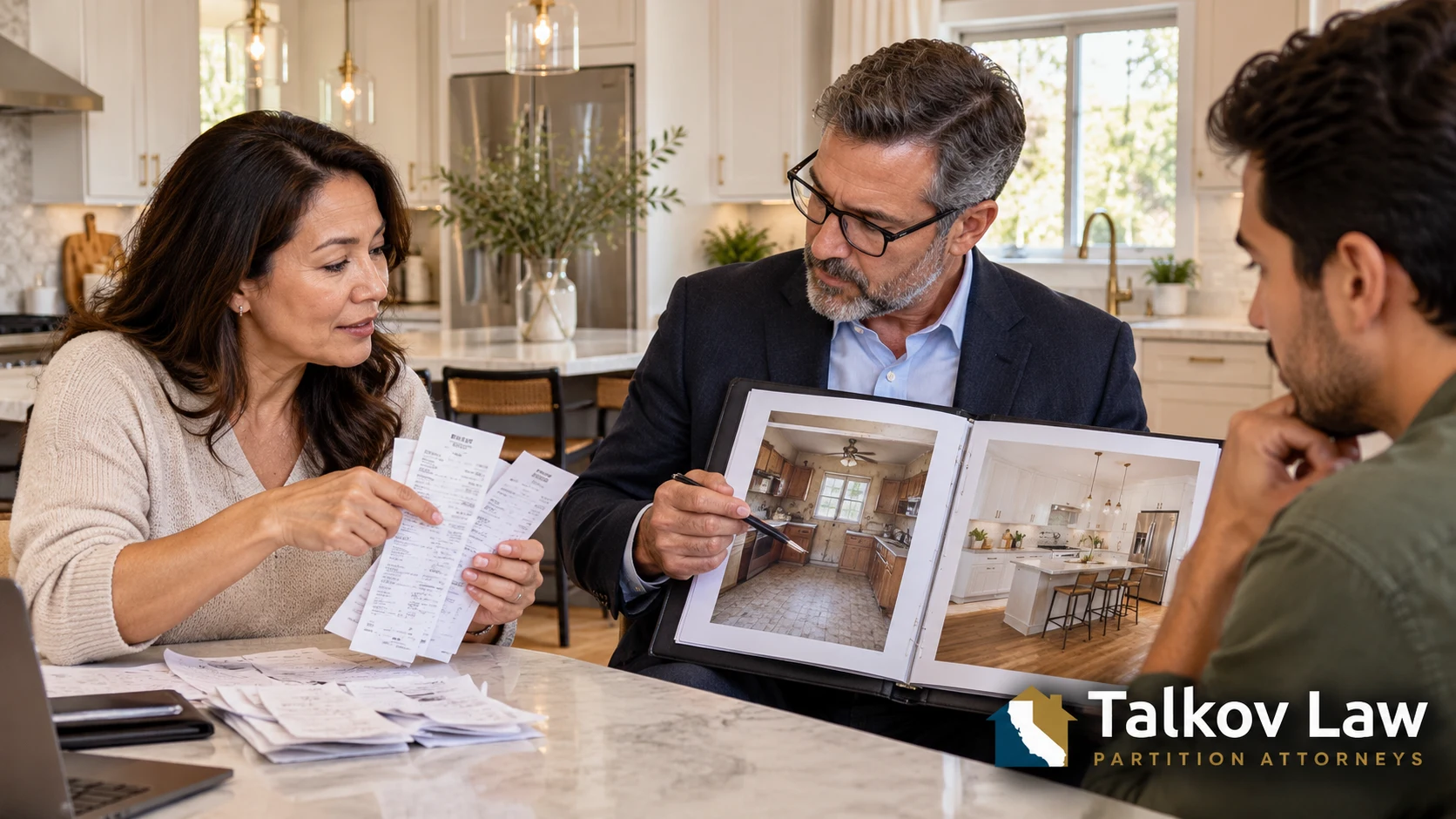
Yes. A California partition action can credit a co-owner for necessary repairs and value-adding improvements, paid before the sale proceeds are divided, even without the other owner’s consent.
150+ Five-Star Reviews
Read our reviews →I would definitely recommend Talkov Law. They helped me with my inherited property partition action and did it with extreme haste and quality. All of their partition attorneys are so knowledgeable and helped me work through all my questions. Big shout out to Talkov law, they're the #1 Partition Law firm for a reason!
Sam W.
Put the basic information about my case into their chatbot on the website at about 3pm and they called back the next day. They know their niche in fine detail! They were able to offer insight into aspects that my divorce attorney had been completely unaware of and offered a quick solution. I'm extremely impressed with the easy solution they laid out. Really wish they had been my first call!!
Chris PattersonMy sister and I had a disagreement over a jointly owned house. The other party insisted on listing the house for sale, while I insisted on buying their share. Ultimately, thanks to the highly professional assistance of Scott Resnick and his team at Talkov Law Firm, we were able to reach a reasonable settlement out of court. I am very grateful to Scott and his team, Courtney and Lauren, for providing such professional service; they are definitely the best choice, especially when dealing with real estate disputes.
Mo WilliamAs a fellow lawyer, I am confident that Mr. Talkov knows partition law like the back of his hand. I would not hesitate to call him for a partition action. Very professional and insightful!
Lisa FisherOlivia Dajee and the attorneys at Talkov Law were very helpful in representing me in a partition case that could have easily become much more complicated. They were knowledgeable, excellent at communication, and were able to sell my property quickly and efficiently without court intervention. I highly recommend Talkov Law to anyone searching for a reliable real estate partition attorney!
Sheryll Vanderhooft
Representing co-owners statewide. Find your nearest Talkov Law office.
10880 Wilshire Blvd Ste 1101
Los Angeles, CA 90024
4000 MacArthur Blvd Ste 655
Newport Beach, CA 92660
3610 Central Ave, Ste 400
Riverside, CA 92506
500 Capitol Mall, Ste 2350
Sacramento, CA 95814
11622 El Camino Real Ste 100
San Diego, CA 92130
50 California St, Ste 1500
San Francisco, CA 94111
99 S. Almaden Blvd Ste 600
San Jose, CA 95113
Partition Law Resources
Practical guides from attorneys who focus exclusively on California partition actions.
The information on this site, including the Talkov Law Blog, is intended for general information purposes only. By using this site, you agree that any information contained in the site does not constitute legal, financial or any other form of professional advice. Information on this site may be changed without notice and is not guaranteed to be complete, accurate, correct or up-to-date.







