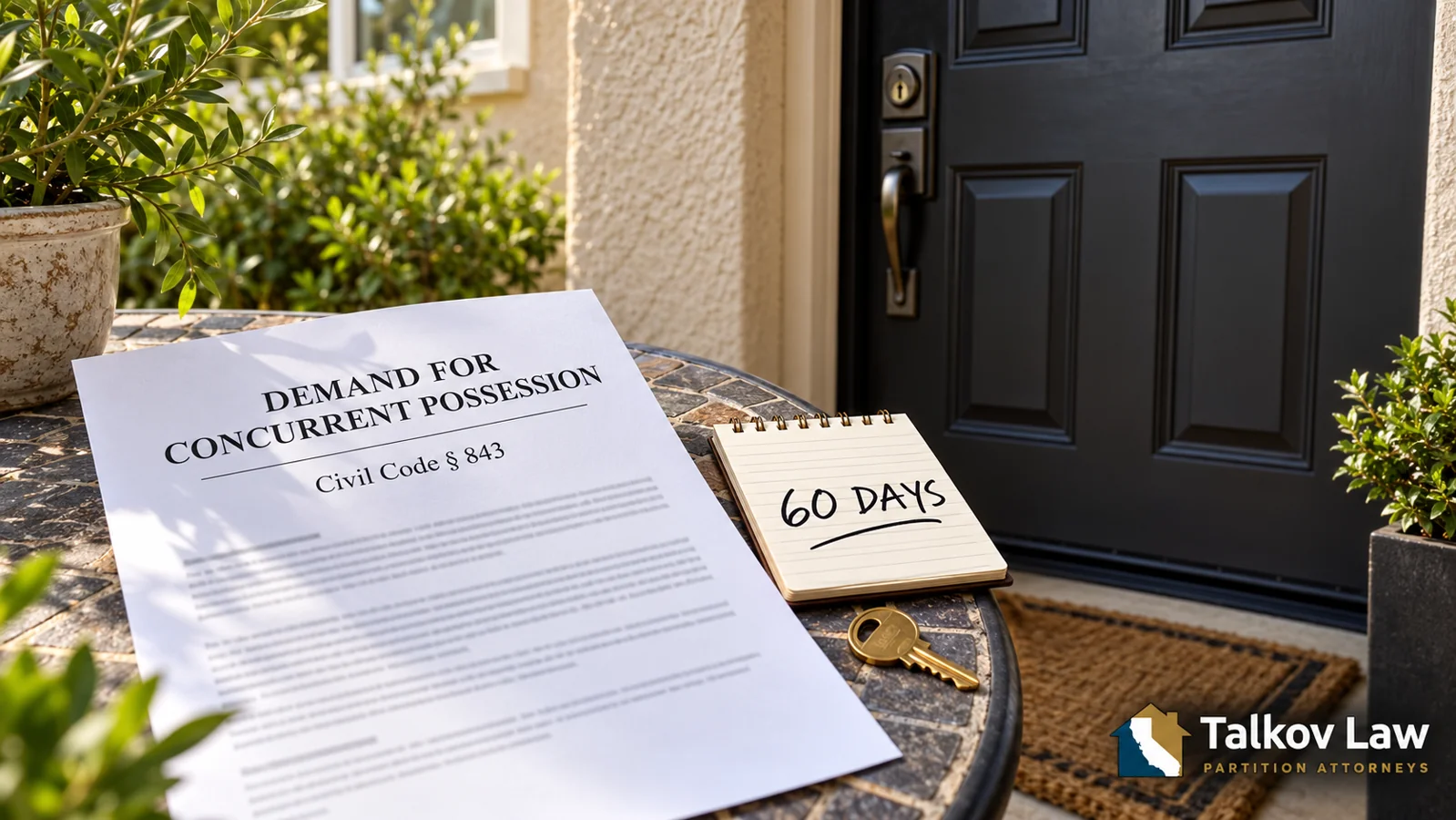
Civil Code 843

Wood v. Henley: a man repairs a dirt road past a stone cabin in a rocky Ventura County canyon, with a survey stake in the foreground

Wood v. Henley: An Absent Co-Owner Keeps Her Share

In Wood v. Henley, the California Court of Appeal held that a co-owner’s family could not take an absent owner’s half interest in Ventura County land by living on it, improving it, and paying taxes, because possession by one co-owner is possession for all.

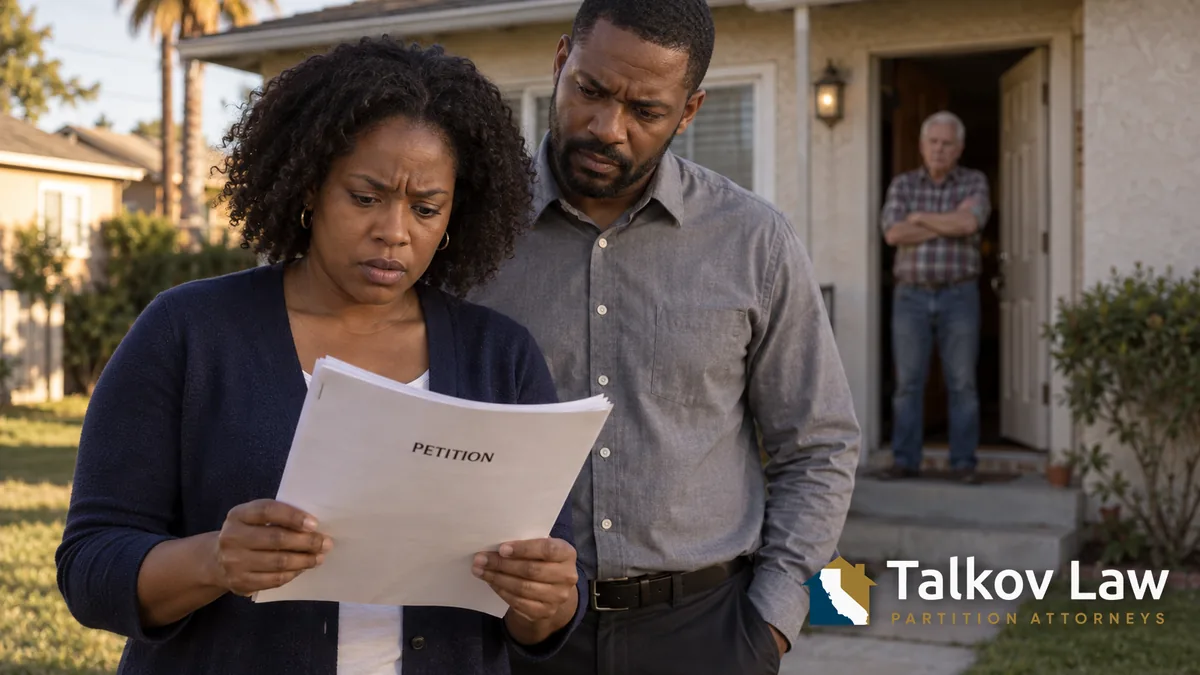
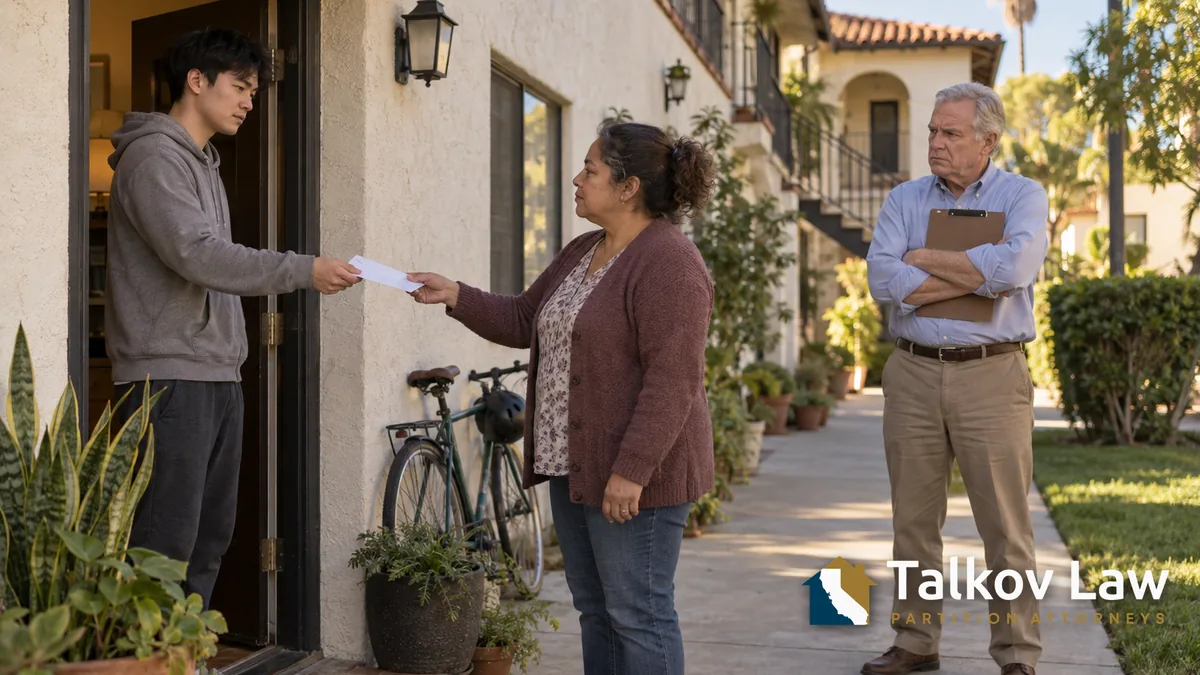
Co-owner asserts ownership rights in response to an eviction notice

Can You Evict a Co-owner of a House?

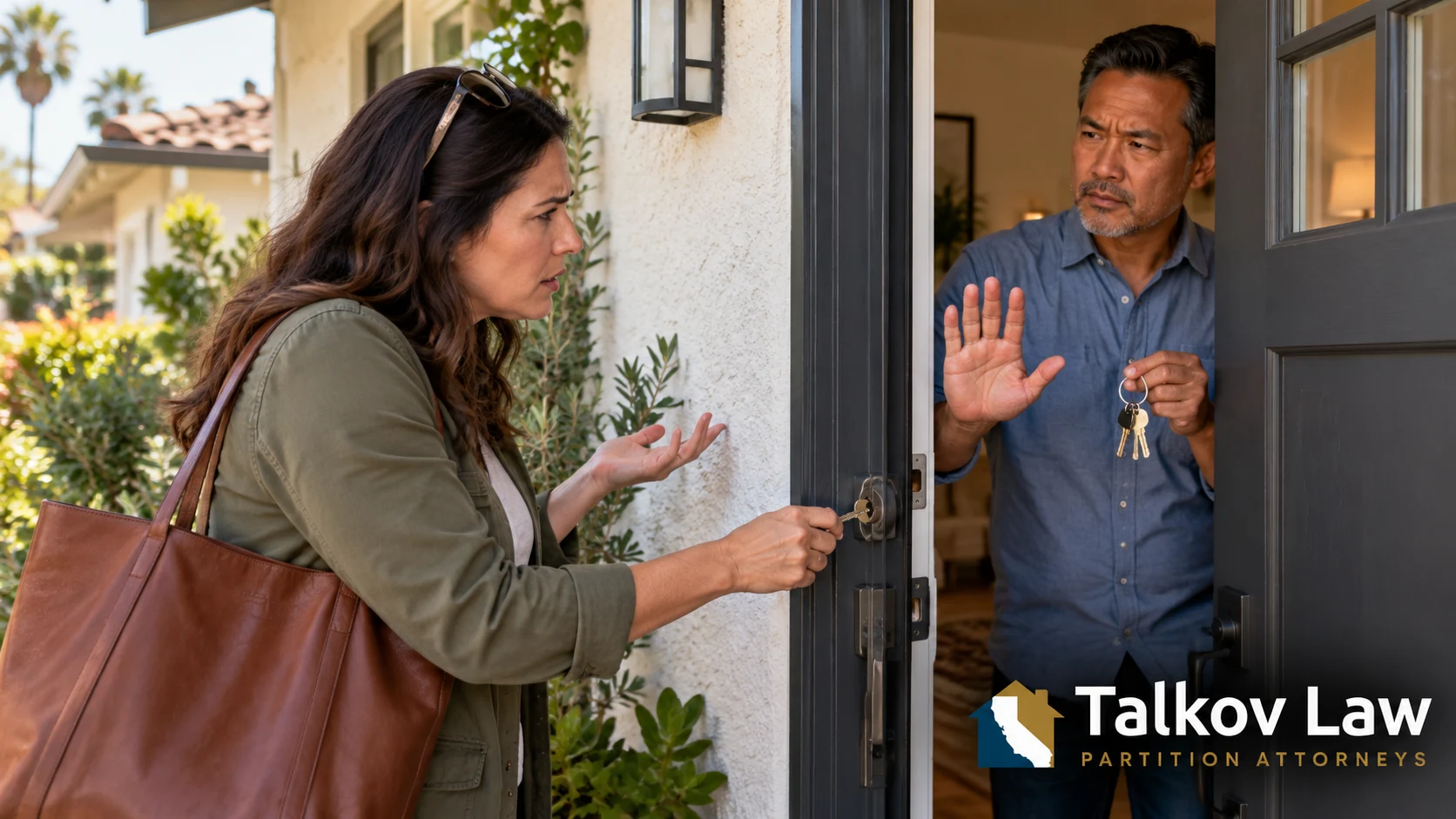
No. An eviction won’t remove a co-owner, because each co-owner has an equal right to possess the entire property. A partition action is the way to end the co-ownership.

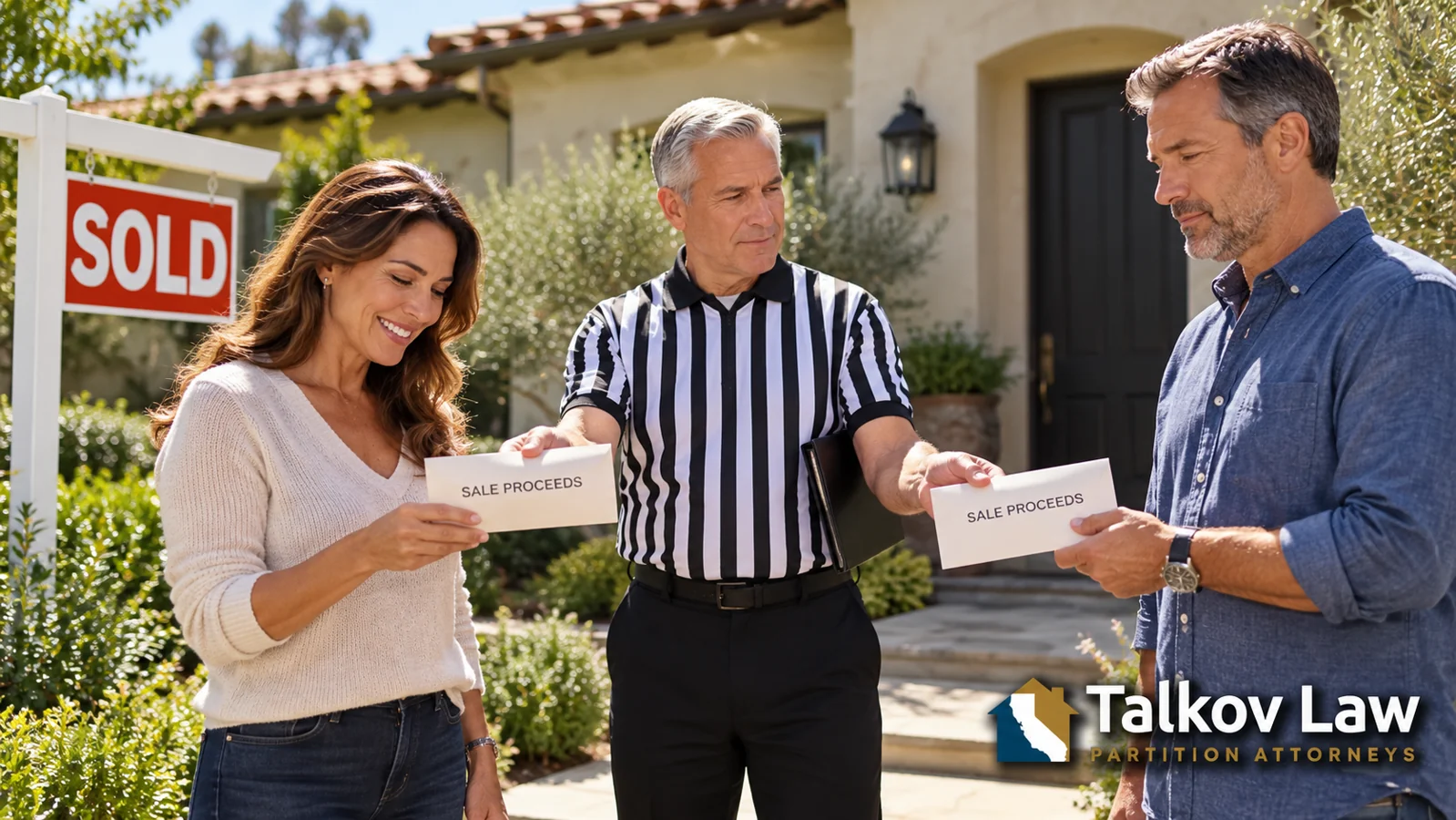
Partition referee distributes sale proceeds to two co-owners outside a sold home.

Partition Action in California: What It Is and How It Works

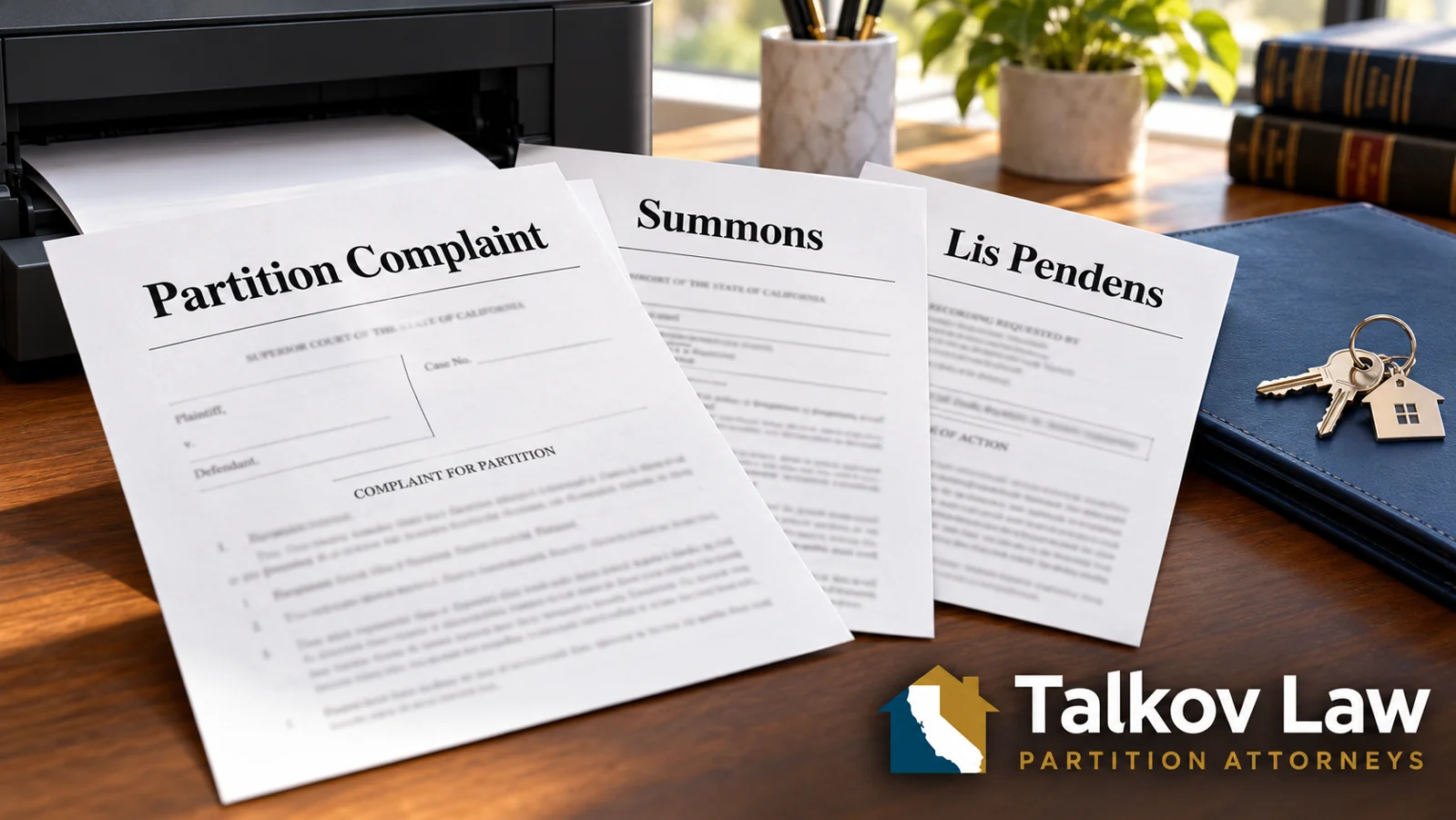
A partition action is a lawsuit in which a California court ends the co-ownership of real property by dividing it or ordering it sold and dividing the proceeds. A co-owner generally can force a sale without the other co-owners’ consent.

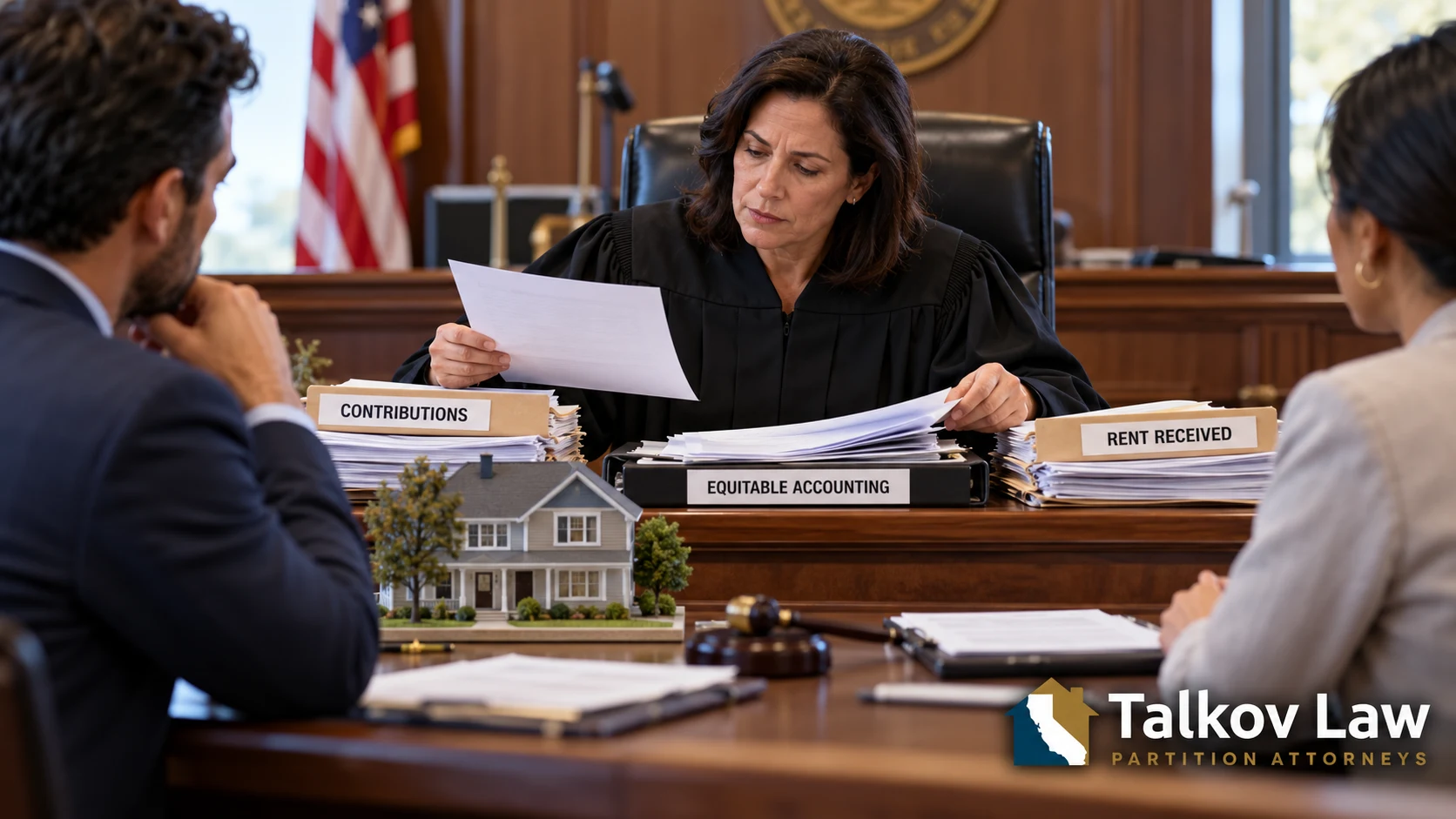
Partition Offsets and Accounting in California — Talkov Law illustration

Partition Offsets and Accounting in California

When co-owners can’t agree, a California court can force a sale. Before the proceeds are split, the court credits co-owners for mortgage payments, taxes, improvements, and rental value.