
Anti-Heart Balm Statute in California Partition Actions
California’s anti-heart balm statute bars lawsuits over a broken promise to marry. It often comes up in partition actions between former romantic partners.
California’s anti-heart balm statute bars lawsuits over a broken promise to marry. It often comes up in partition actions between former romantic partners.
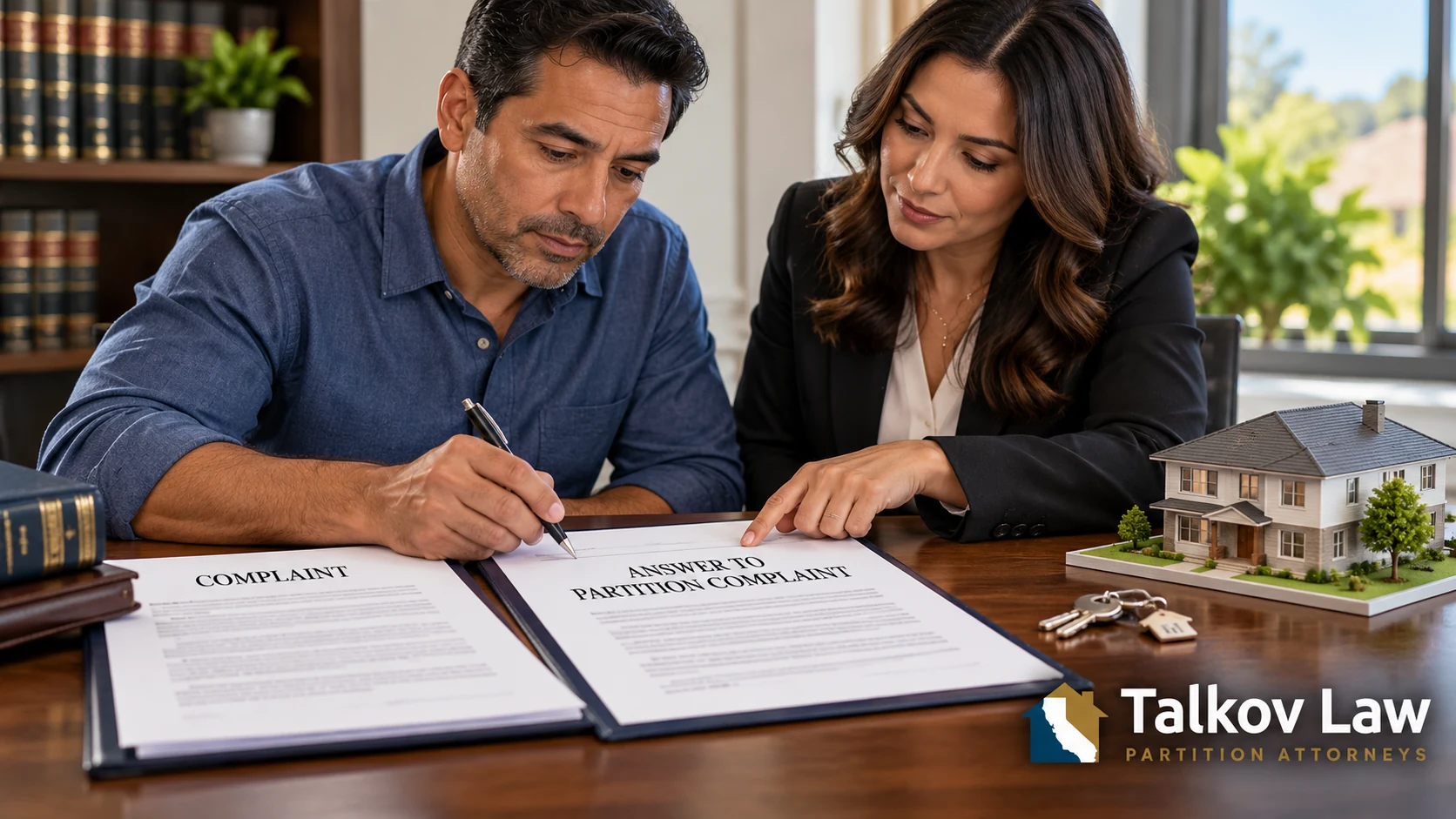
When a partition action is filed, the defendant can respond by filing an answer, a pleading that admits or denies the complaint’s allegations.

A California spouse can give away or leave only half of the community property. When that half goes to a child, the child and the stepparent co-own the home, and either can force a sale through partition.
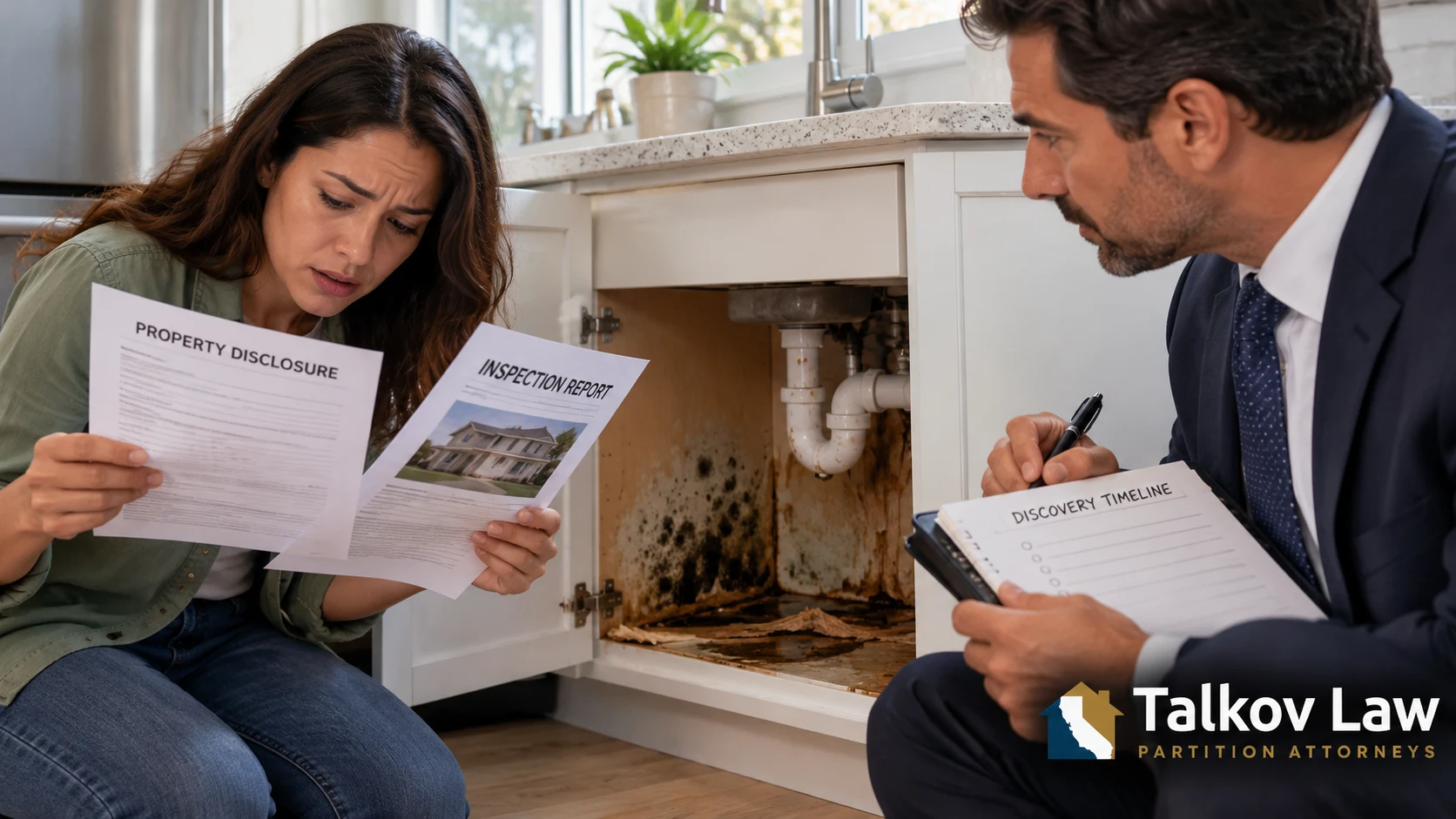
In California, a fraud claim must be filed within three years after the fraud is discovered, and a claim on a written contract within four years after the breach. When a co-owner answers a partition action by claiming they were defrauded in the purchase years ago, those deadlines often end the claim.

California’s statute of frauds requires a signed writing to transfer an interest in real estate, so an oral promise to sell a co-owner’s half, or a claim that someone on the deed is only a co-signer, generally cannot change who owns the property.
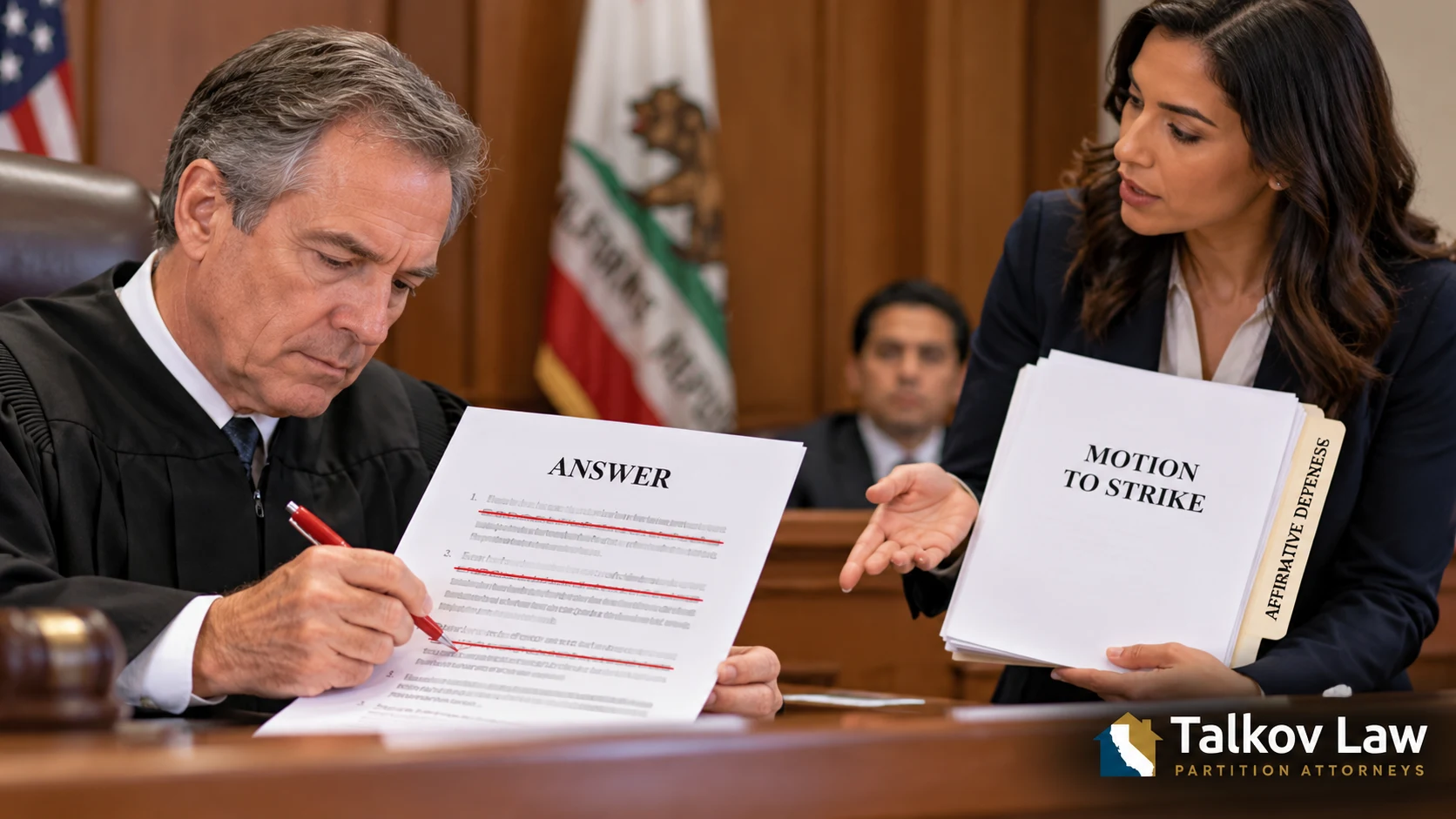
Many defendants answer with boilerplate affirmative defenses and no supporting facts. In California, those defenses can be challenged by a motion to strike or demurrer.
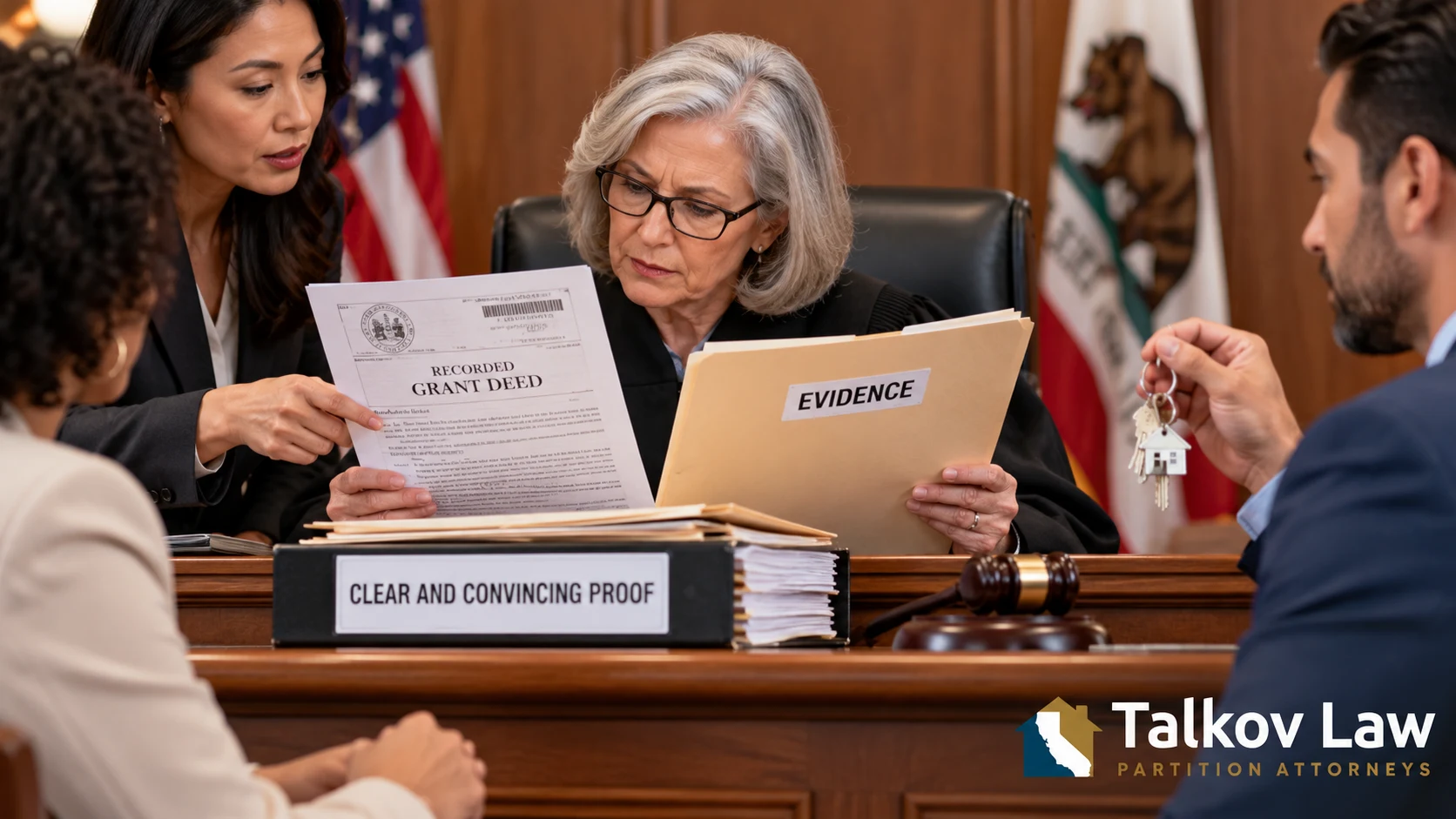
Under Evidence Code section 662, the person on the deed is presumed to own the property unless clear and convincing evidence shows the owners agreed otherwise.
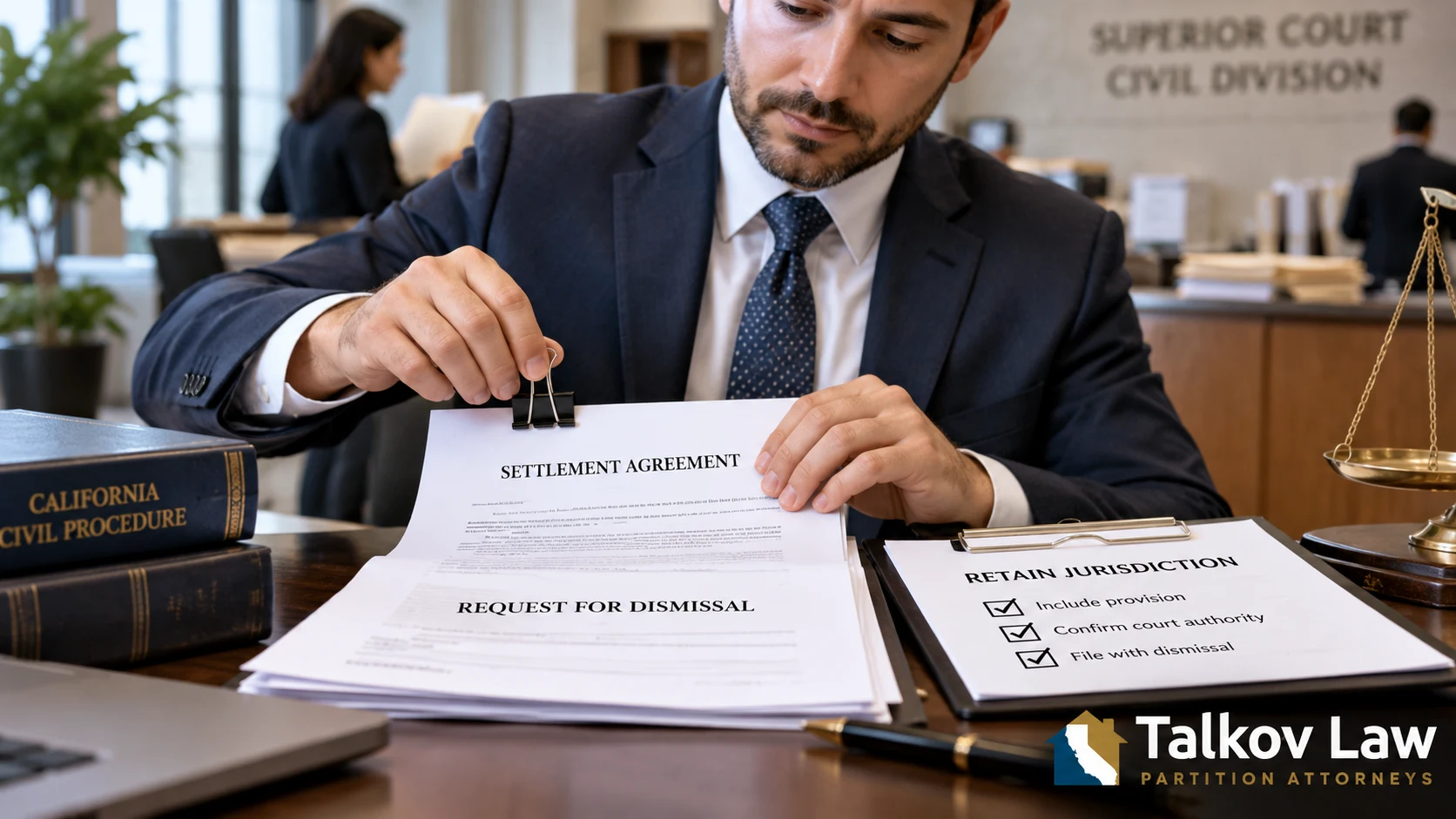
A partition plaintiff’s attorney should not dismiss the case until the settlement closes. Under Code of Civil Procedure section 664.6, a court that dismissed the case without retaining jurisdiction cannot enforce the deal.
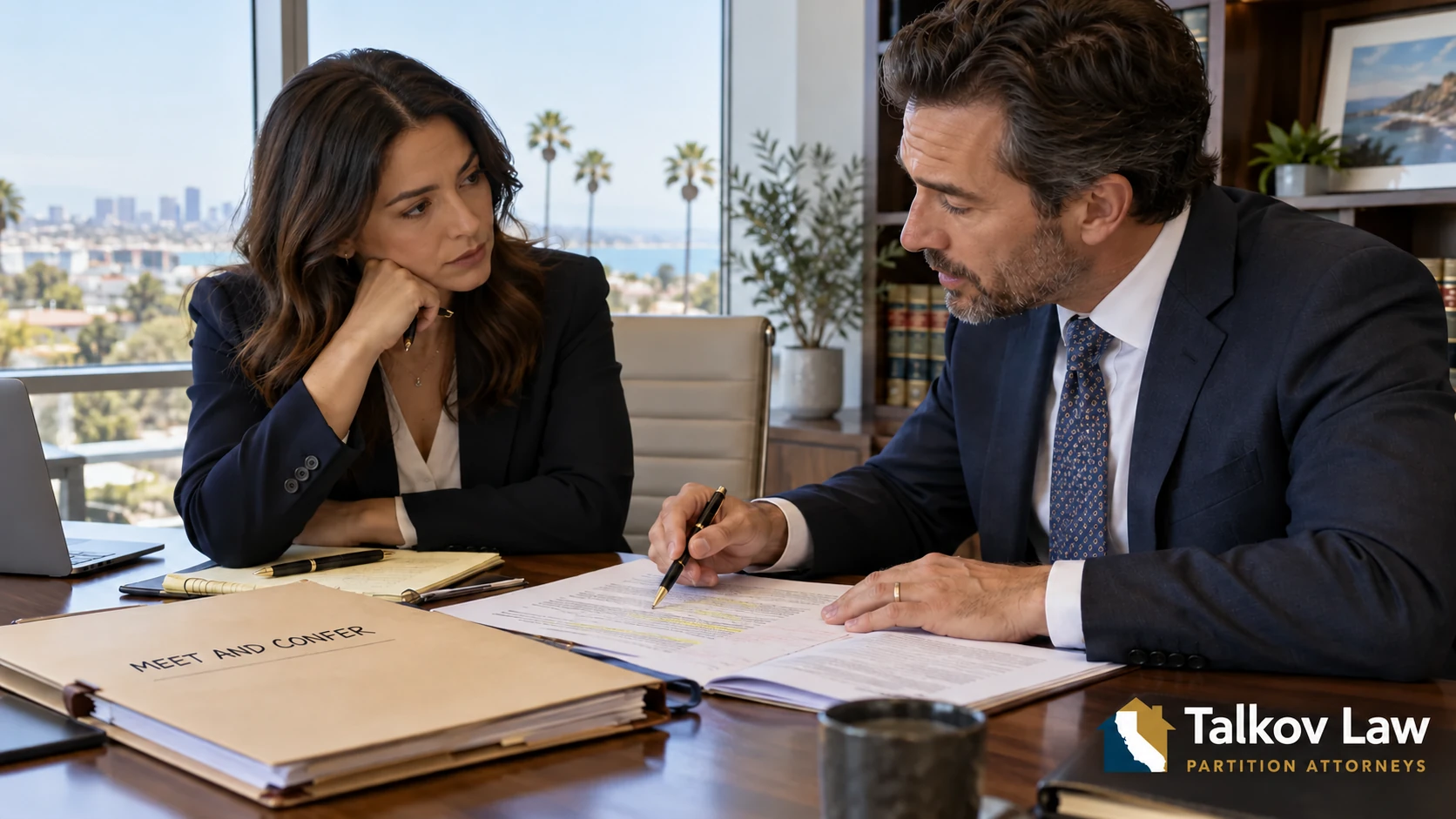
Code of Civil Procedure section 430.41 requires a meet and confer before any demurrer in California. In a partition action, a complaint that pleads every element of Code of Civil Procedure section 872.230 leaves a defendant little to demur to.

Representing co-owners statewide. Find your nearest Talkov Law office.
Practical guides from attorneys who focus exclusively on California partition actions.
The information on this site, including the Talkov Law Blog, is intended for general information purposes only. By using this site, you agree that any information contained in the site does not constitute legal, financial or any other form of professional advice. Information on this site may be changed without notice and is not guaranteed to be complete, accurate, correct or up-to-date.







