Procedures in Partition

The court process in a California partition case, step by step.

Filter by type
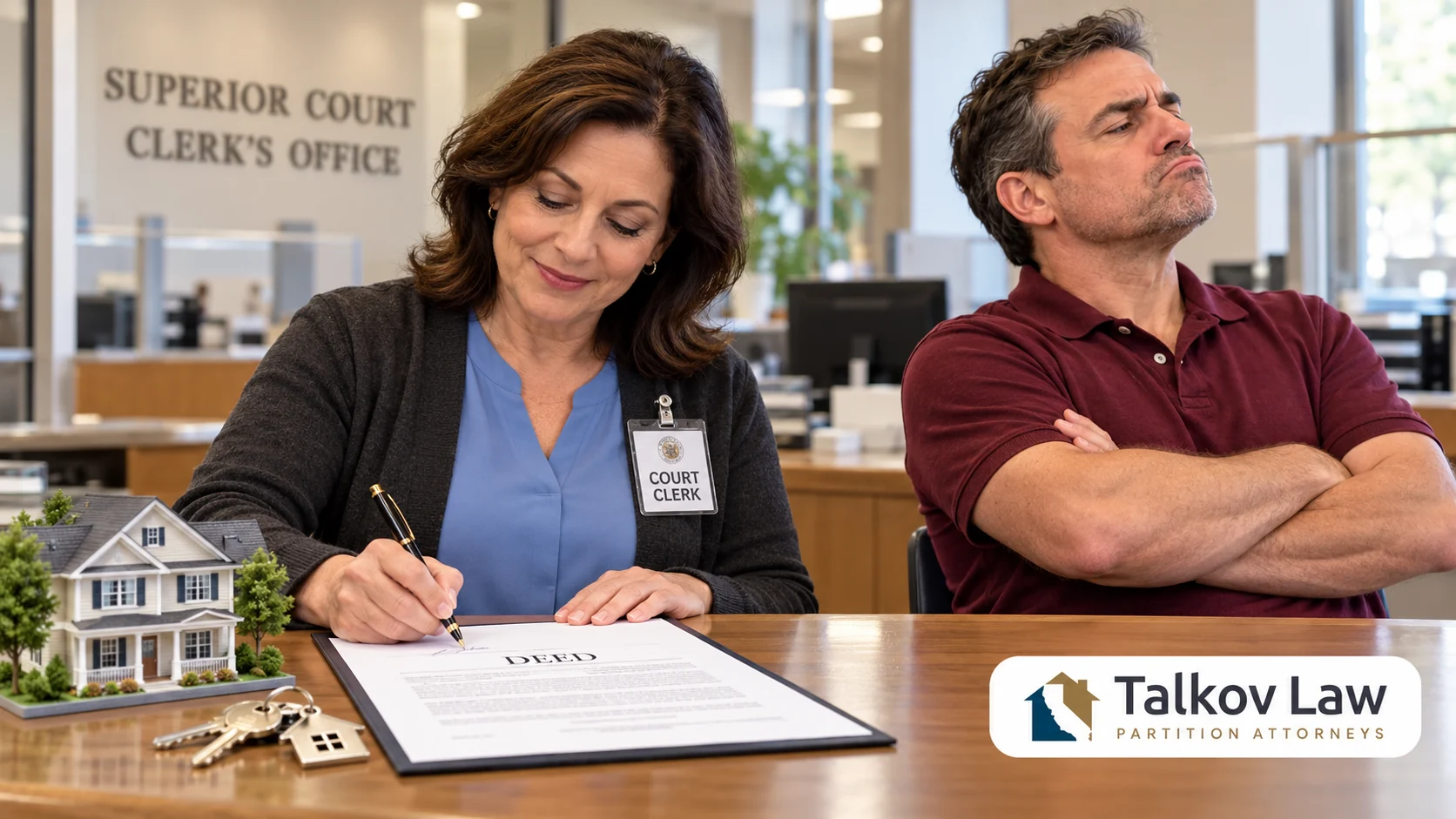
Elisor in a California partition action, court clerk signs deed for co-owner who refuses, partition referee: clerk signs a deed as a co-owner crosses his arms

What Is an Elisor in a California Partition Action?

An elisor is a person the court appoints, usually the clerk of the court, to sign a deed or other document for a party who refuses to sign it. In a California partition action, an elisor is a backup tool, while a partition referee does the real work.

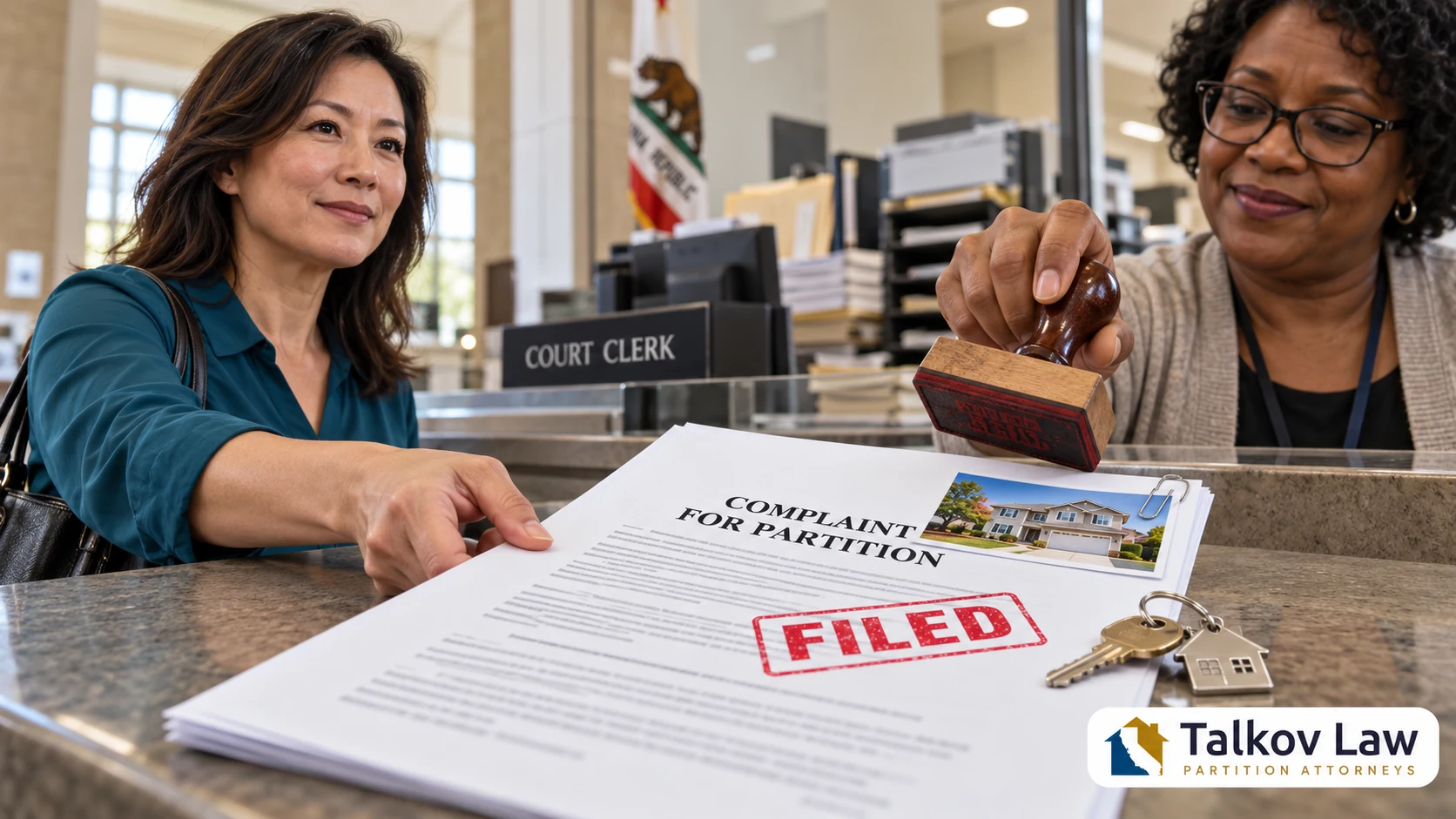
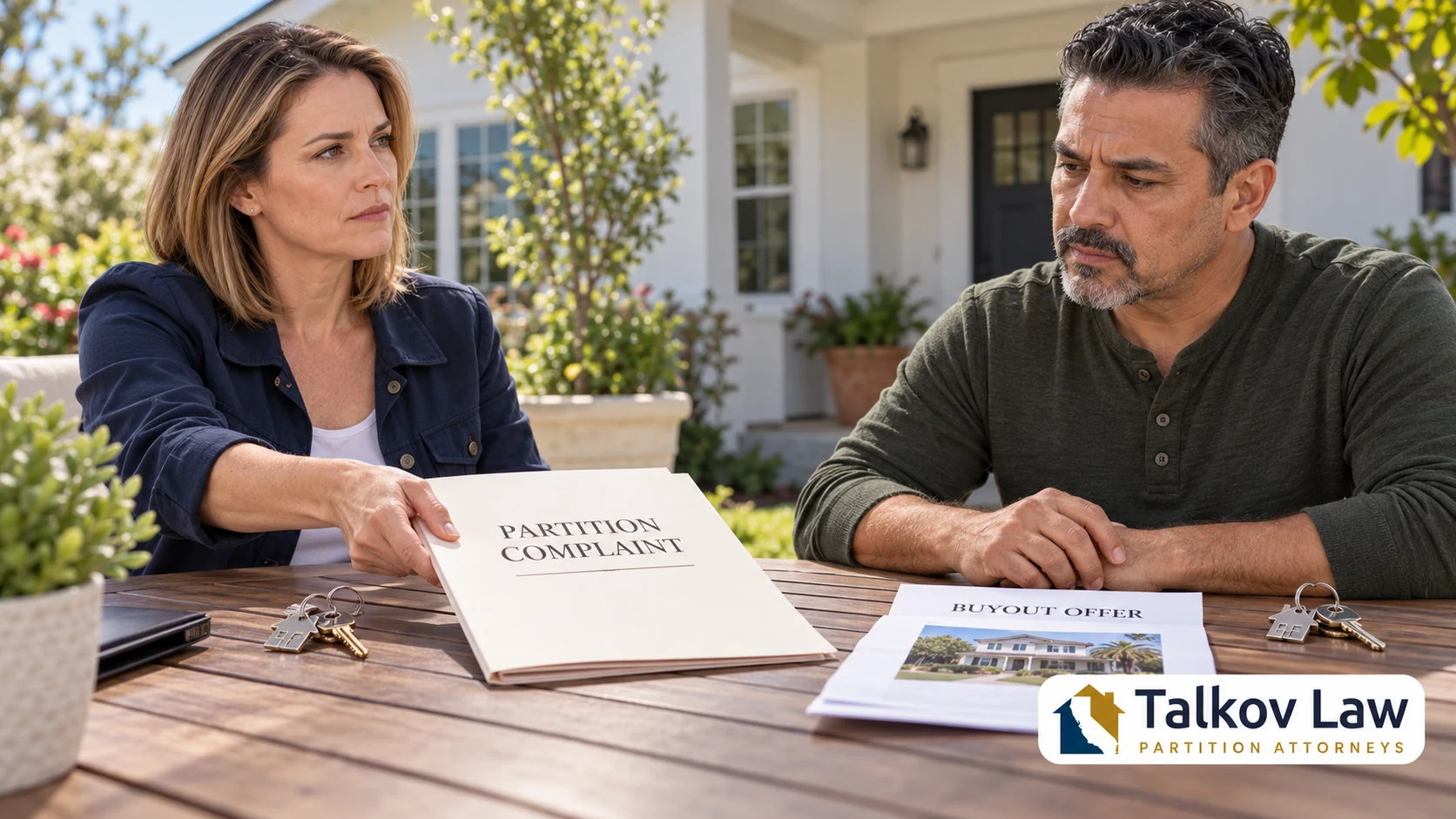
Is it better to be the plaintiff in a partition action, filing first, lis pendens, California partition: co-owner files a partition complaint at the courthouse

Is It Better to Be a Plaintiff in a Partition?

Usually, yes. Filing first in a partition action gives you control over the timeline, the court, the lis pendens, and how the case is framed, advantages the responding co-owner cannot easily reclaim.

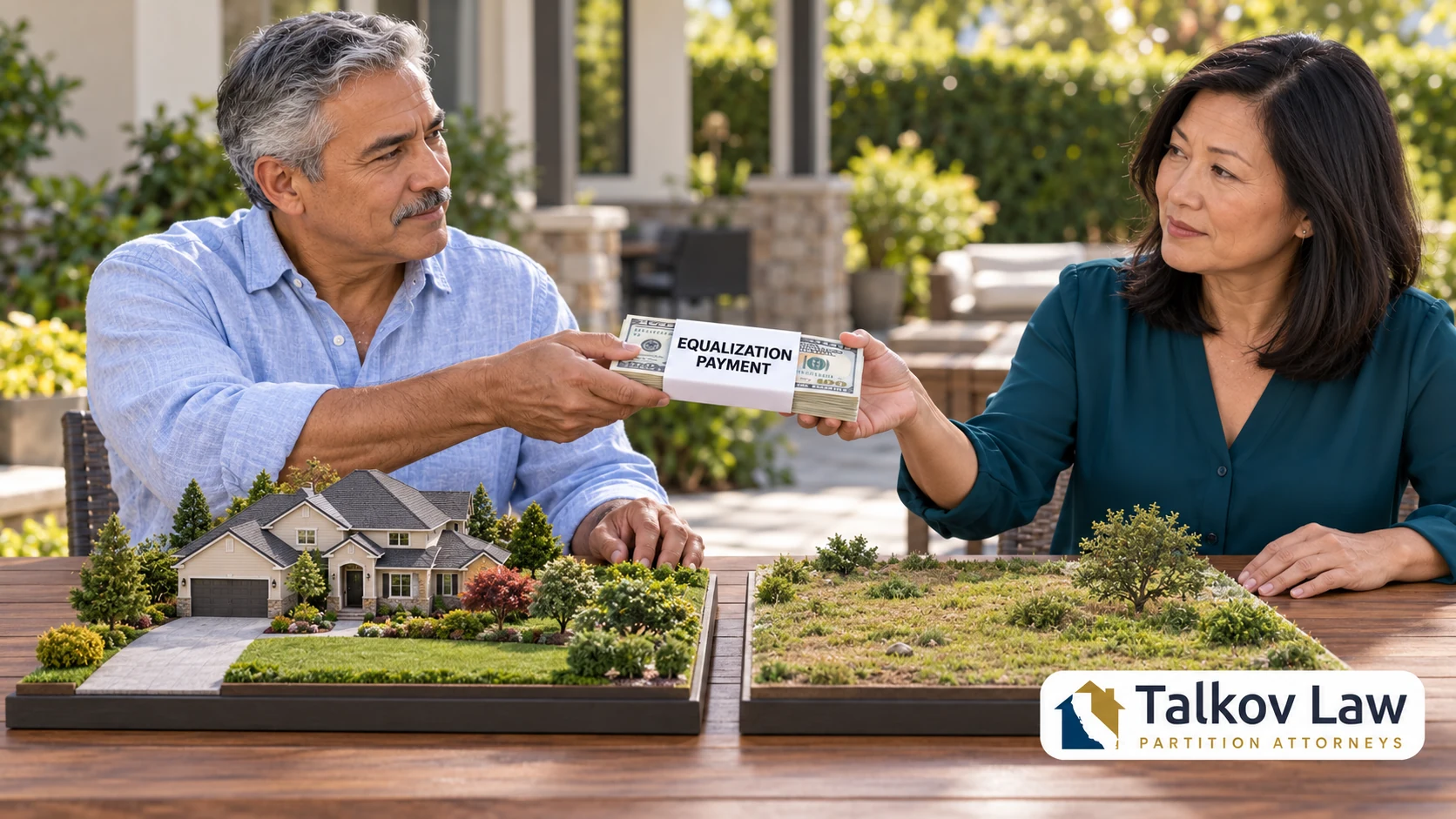
Owelty, equalizing payment in partition in kind, unequal parcels, California partition law: co-owner with the more valuable parcel offers an owelty payment

What is Owelty in Partition Law?

When a property can’t be divided into equal-value parts, the court can order owelty, a payment from the co-owner who receives more to the one who receives less.

Partition referee in California, court-appointed referee signs deed, partition sale, referee list: referee in stripes signs a deed under a court order

Partition Referees in California

A California partition referee carries out a court-ordered sale or division of co-owned property. Learn what referees do, how they are selected and paid, and how a sale can proceed when a co-owner refuses to cooperate. Includes a California referee directory.