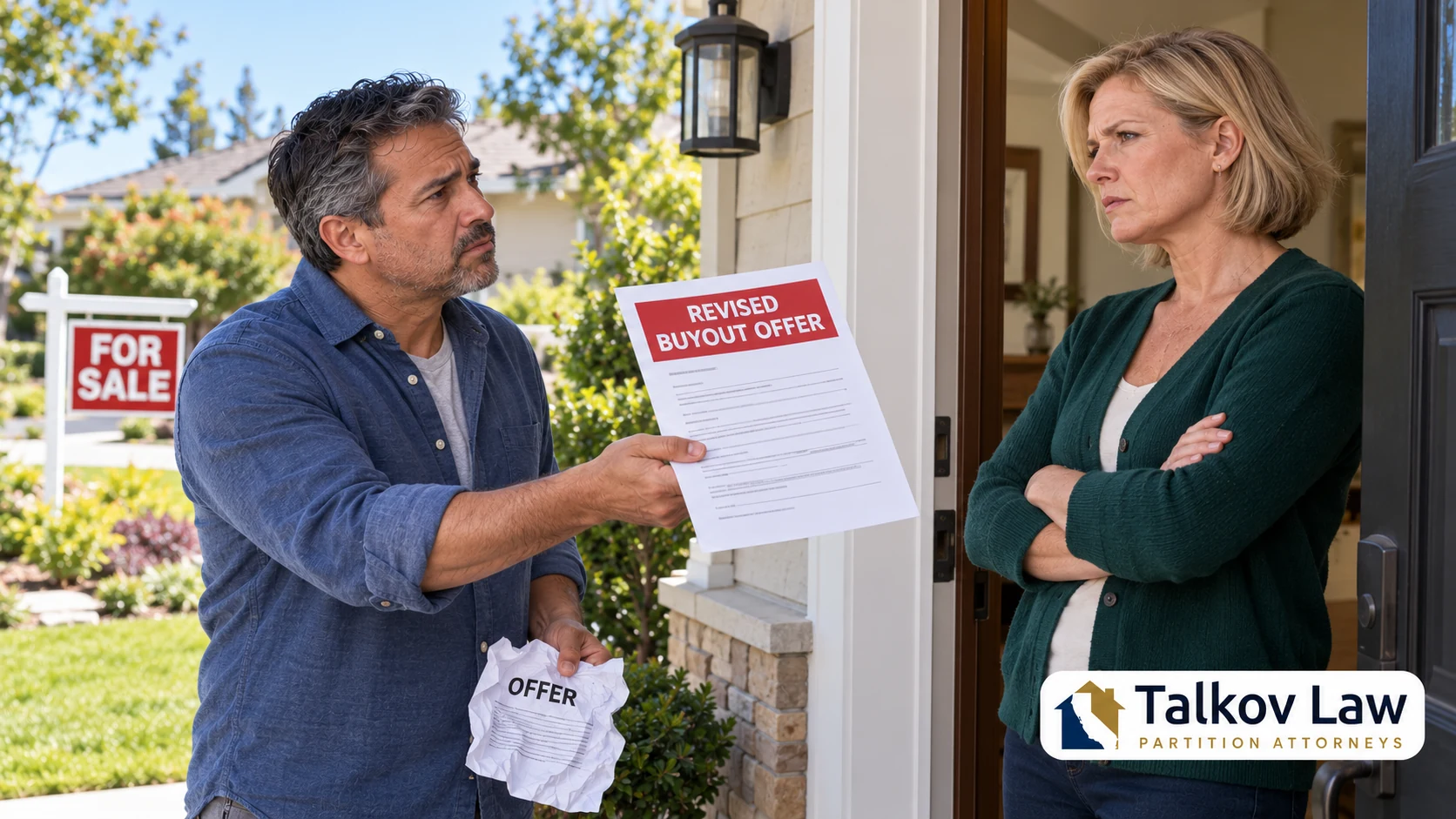
Can a Holdout Get a Better Deal in a California Partition Case?
A holdout can sometimes negotiate a better settlement, but refusing to sell does not guarantee extra money. Learn how California partition law changes the calculation.
A holdout can sometimes negotiate a better settlement, but refusing to sell does not guarantee extra money. Learn how California partition law changes the calculation.

Writing your own co-ownership settlement agreement can seem like a cheap way to avoid litigation. Without a partition attorney, co-owners often set themselves up for serious legal and financial problems.
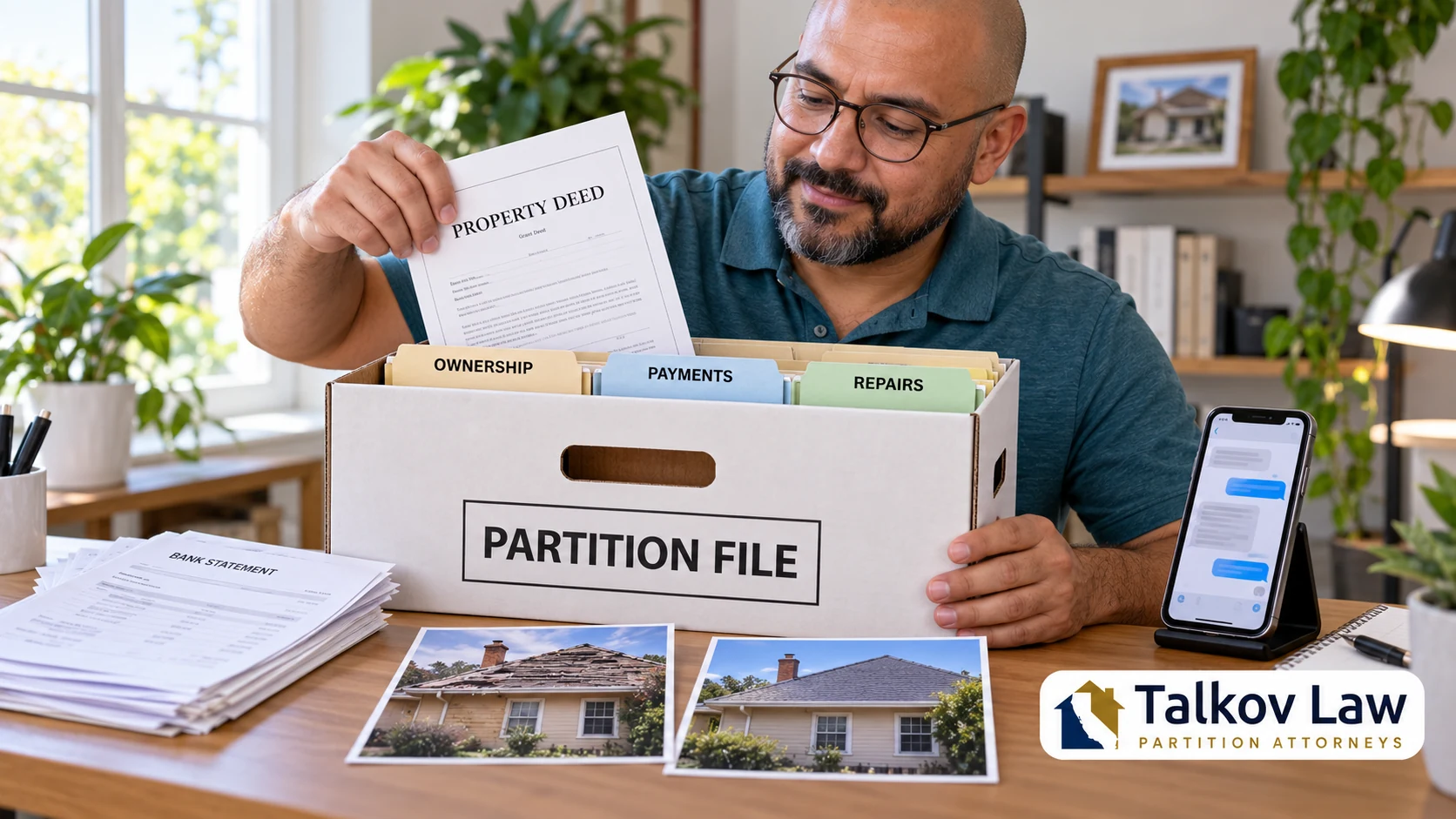
The evidence you gather can decide the offsets you receive and your credibility in a partition action. Here are the records co-owners should collect before filing.
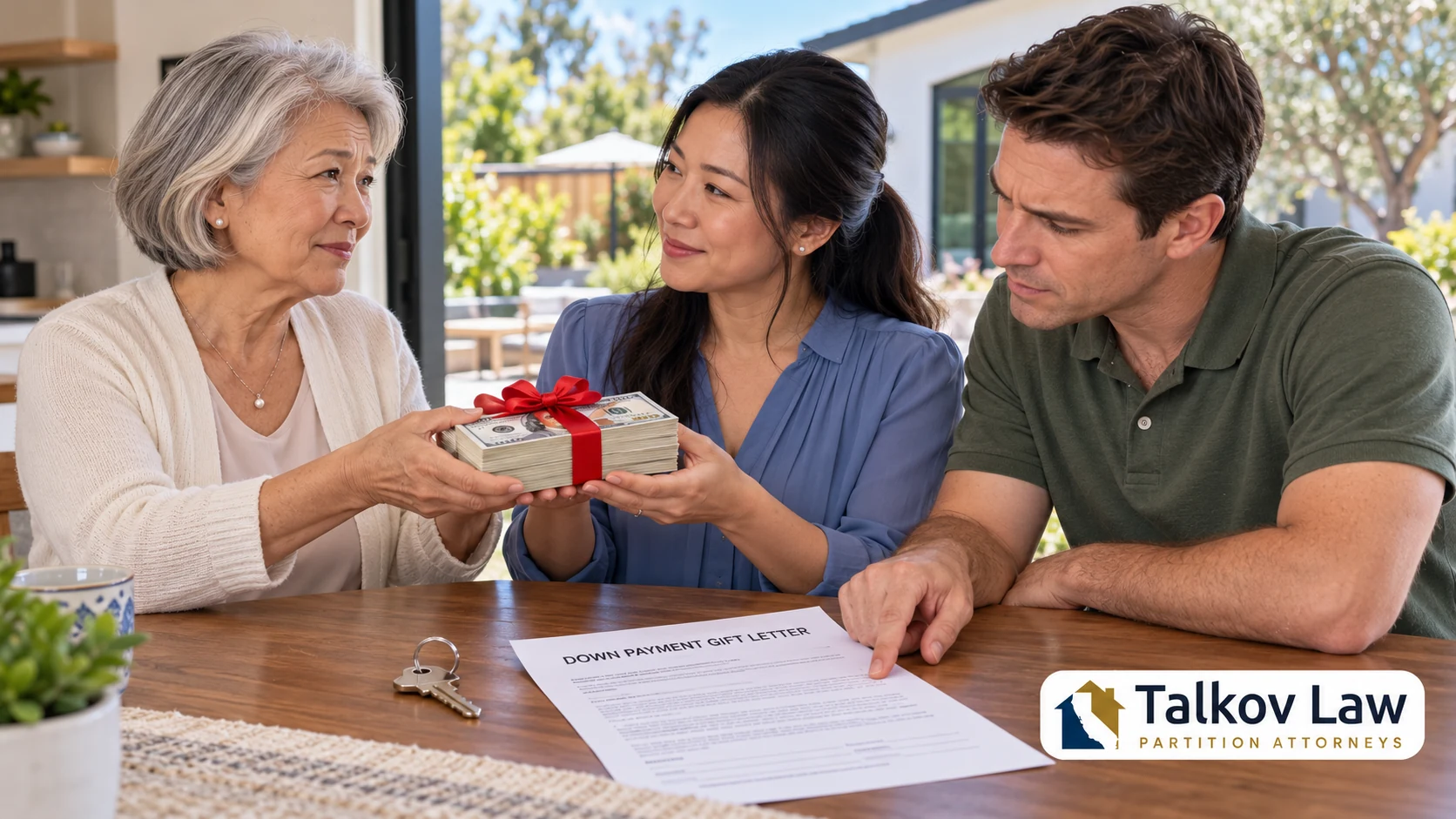
When one co-owner’s family gives money toward the down payment, it can become a major dispute in a partition action. Here is how courts treat down payment gifts.
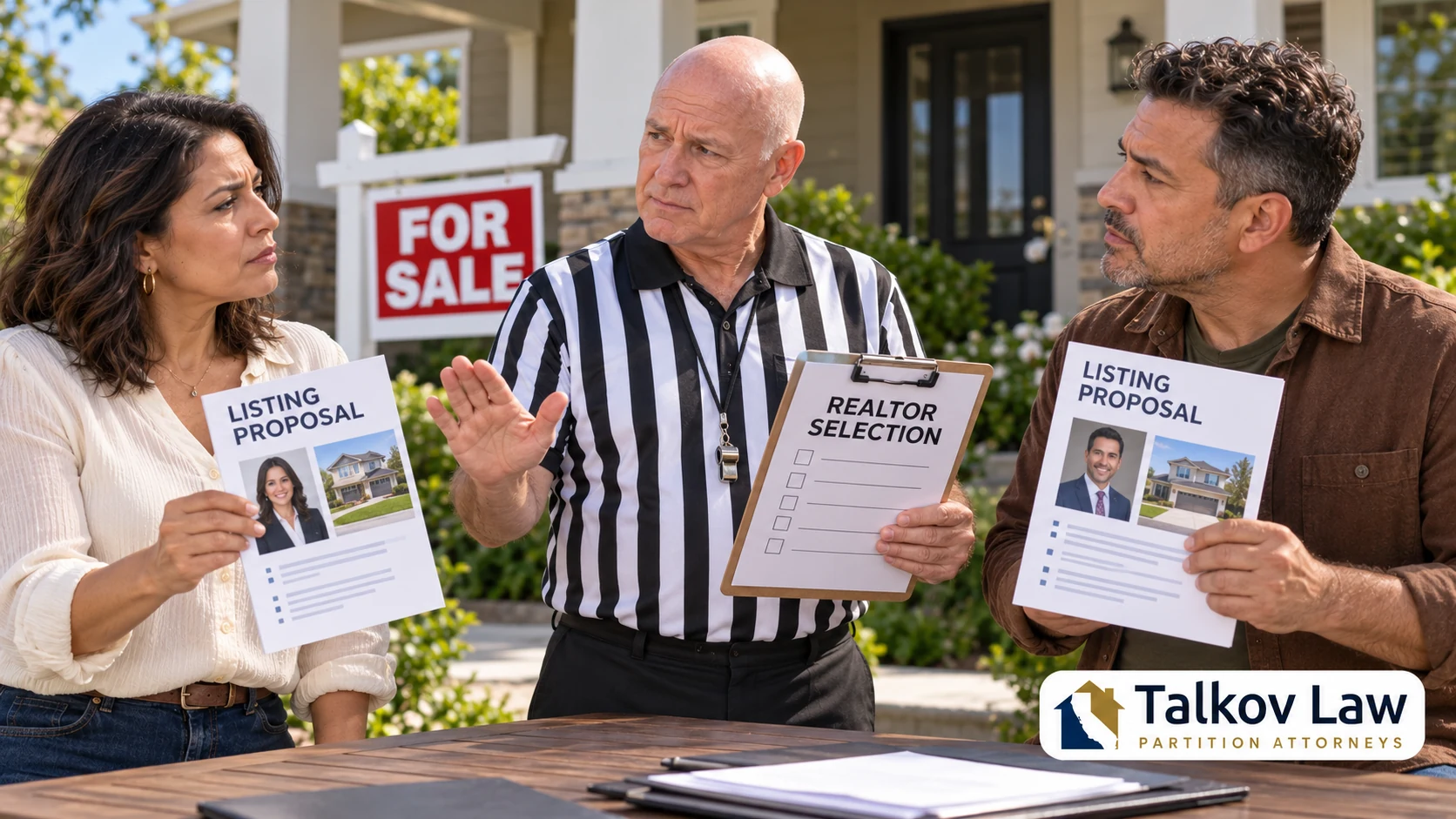
Co-owners can play an important role in choosing the Realtor in a partition sale, but they don’t necessarily have the final say. Here is how the choice gets made.
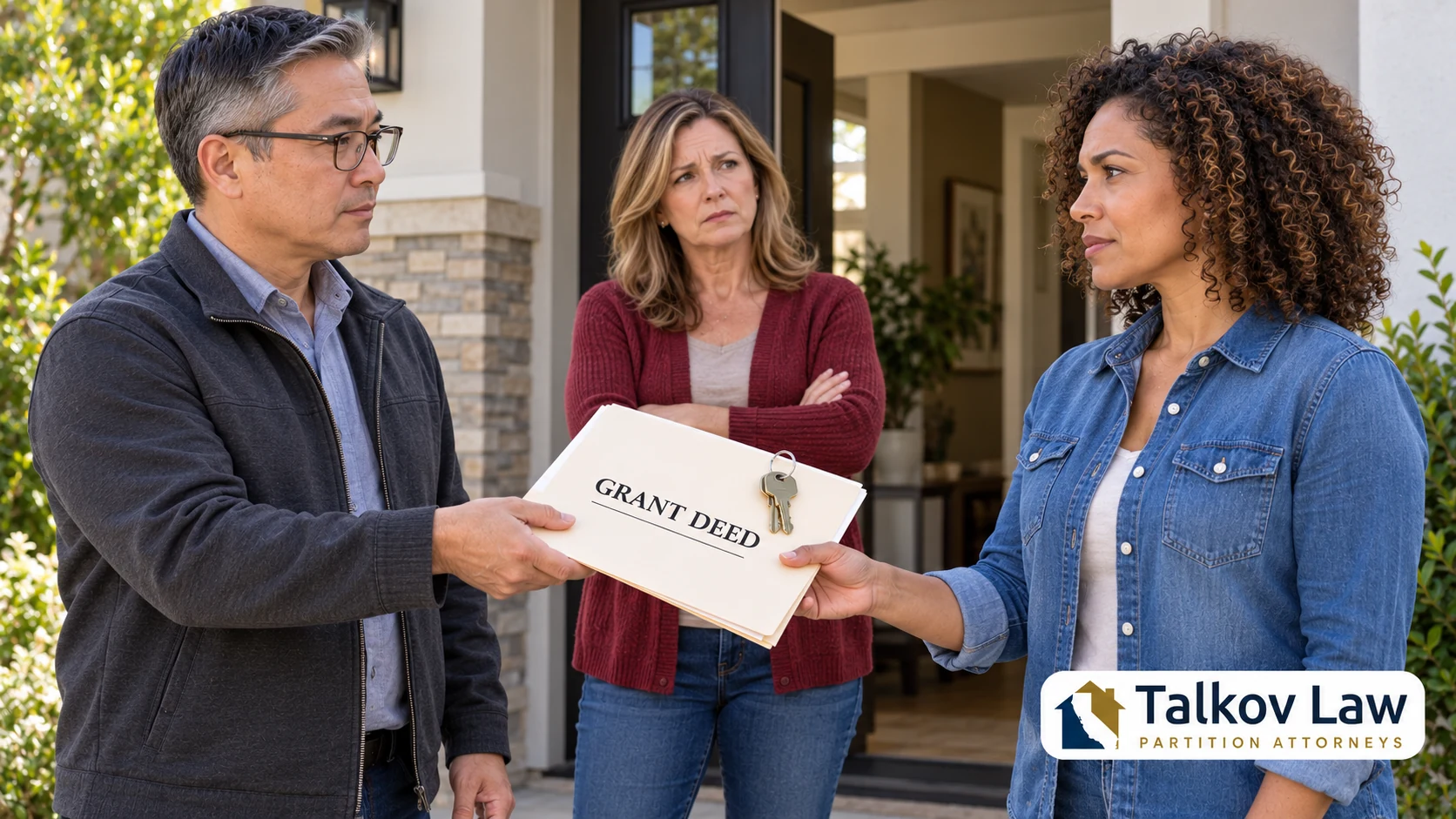
Joint tenancy includes the right of survivorship. But if one joint tenant transfers their interest during their lifetime, the joint tenancy is severed and survivorship is lost for that share.
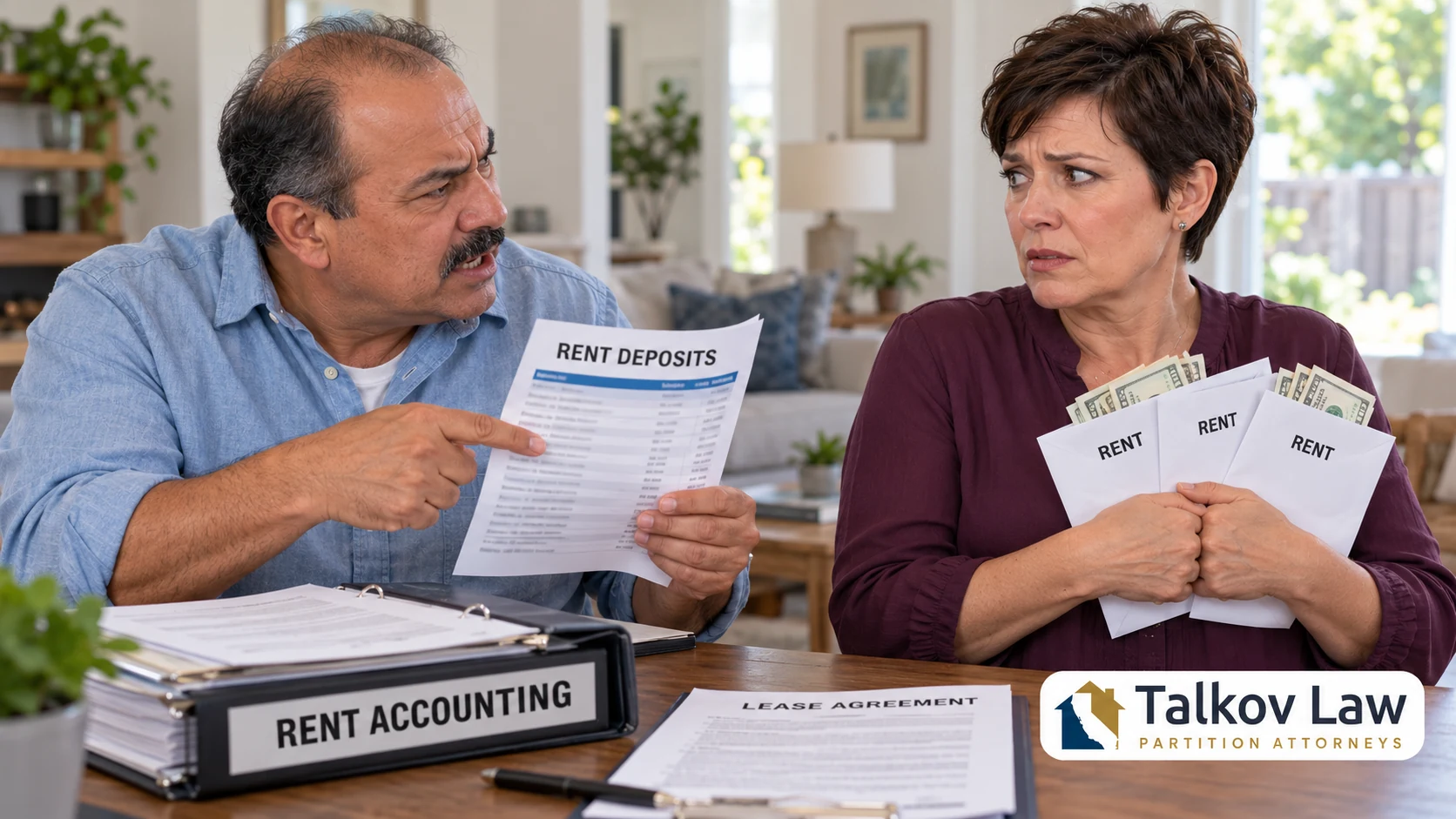
If a co-owner collected all the rent from a shared property, sometimes for years, a partition action lets you recover your share. Here is how to prove it.
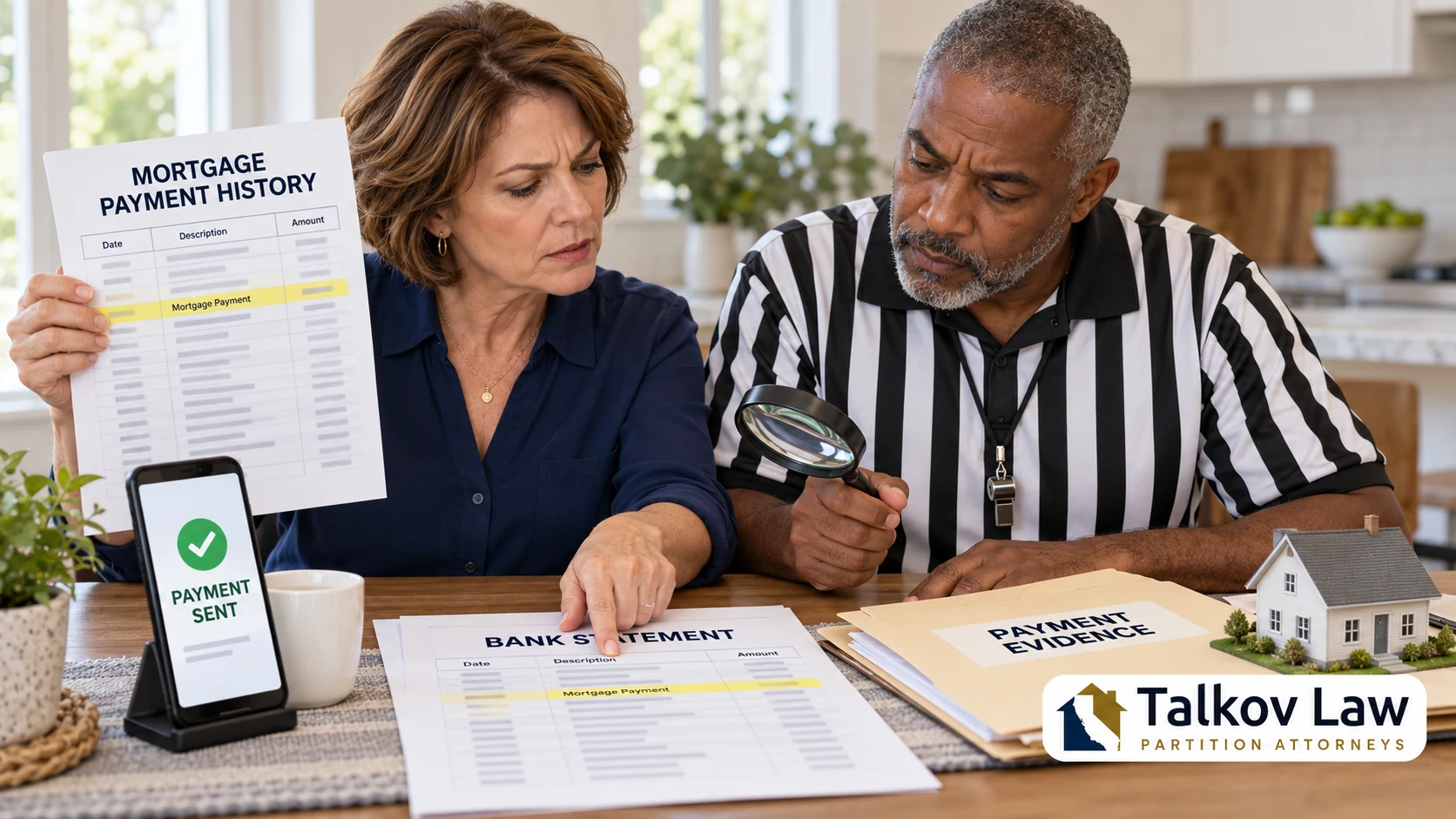
The court or partition referee may need proof of who paid the mortgage to divide the sale proceeds. Here is how to gather and organize those records, including digital payments.
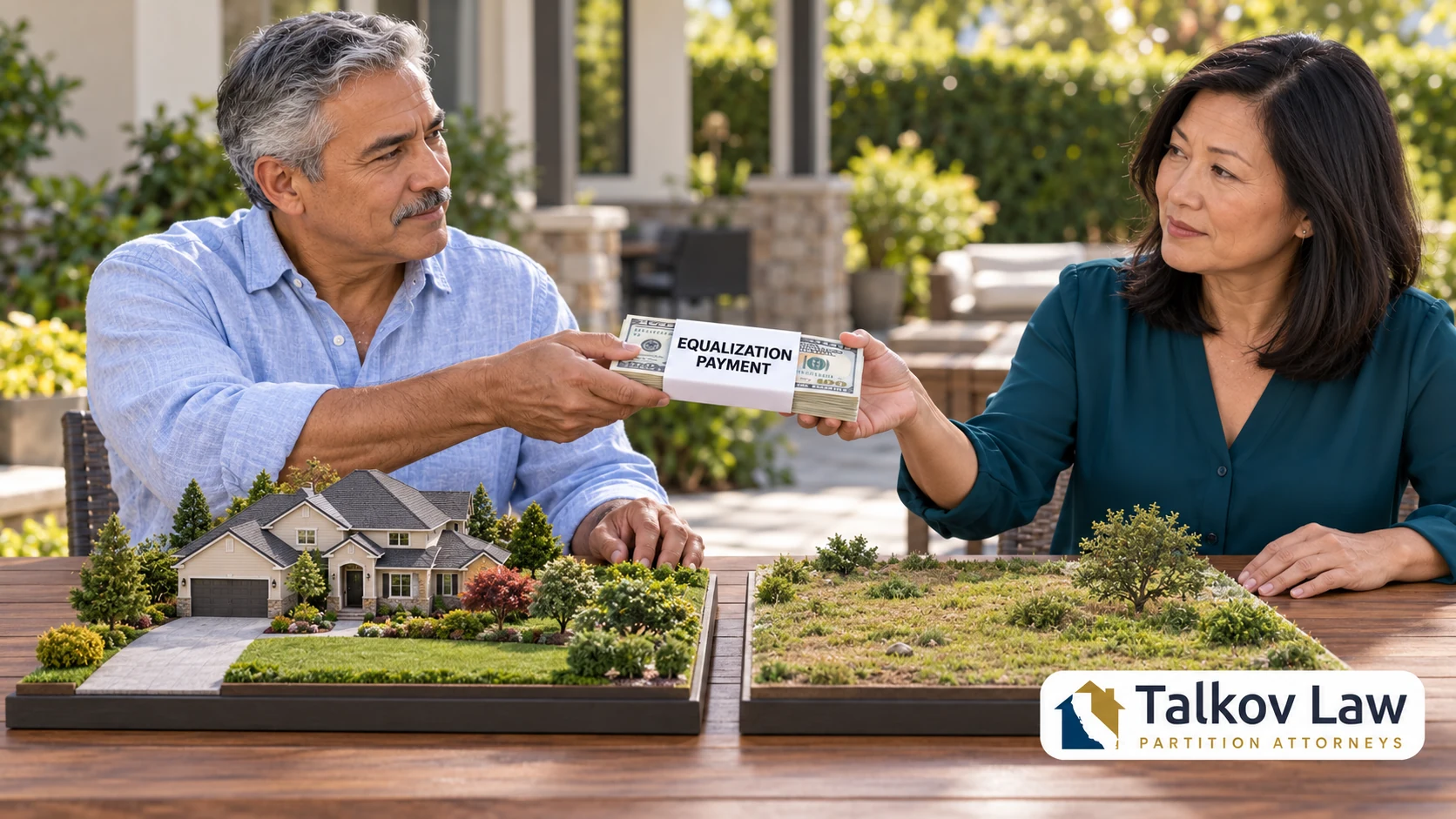
When a property can’t be divided into equal-value parts, the court can order owelty, a payment from the co-owner who receives more to the one who receives less.

A quiet title action asks a court to decide who owns property. In co-ownership disputes, it is often paired with a partition action, which ends the co-ownership.
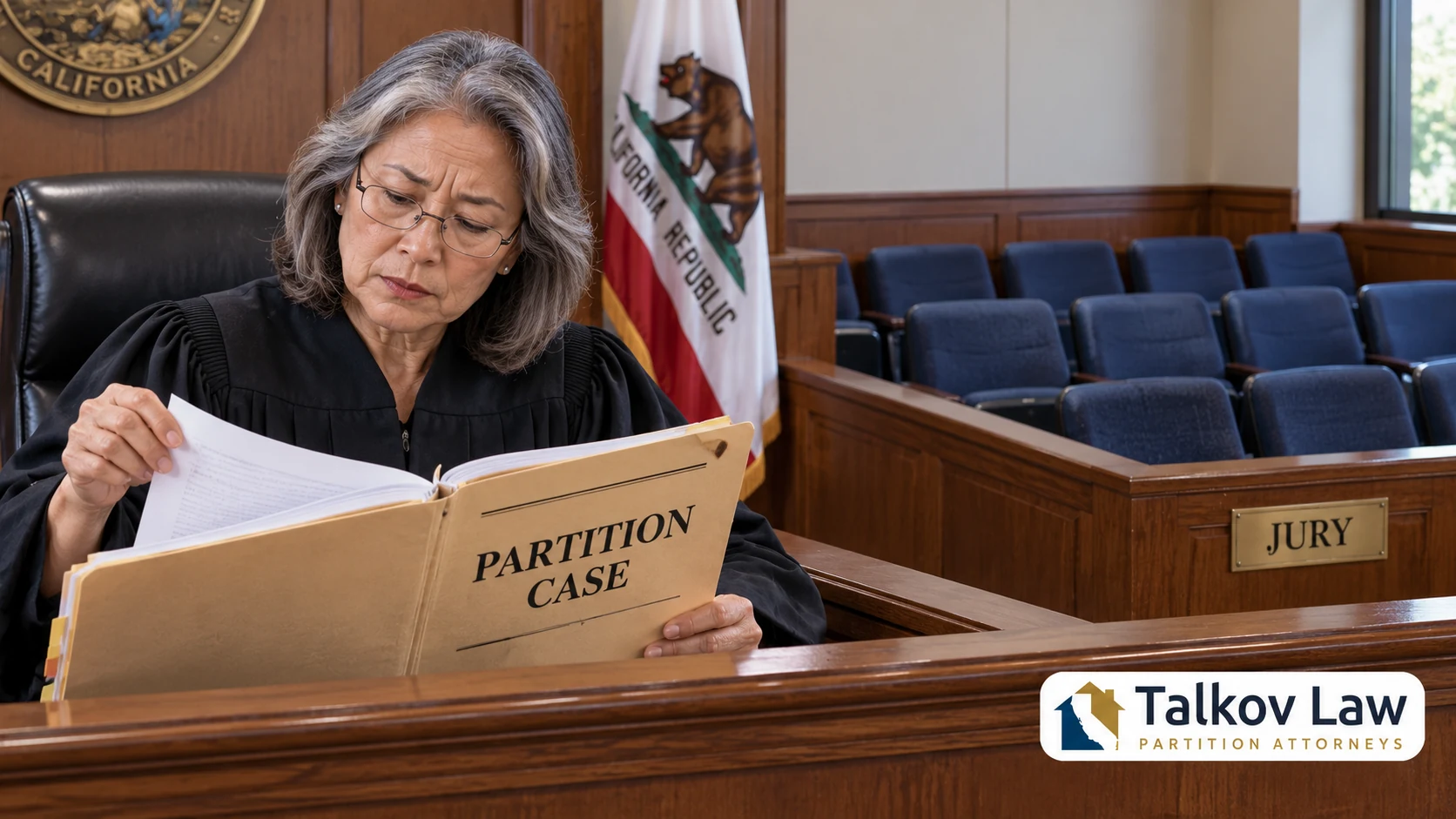
Generally not. A partition action is an equitable action, so a judge decides it, not a jury. Talkov Law has never seen a partition action go to a jury trial.
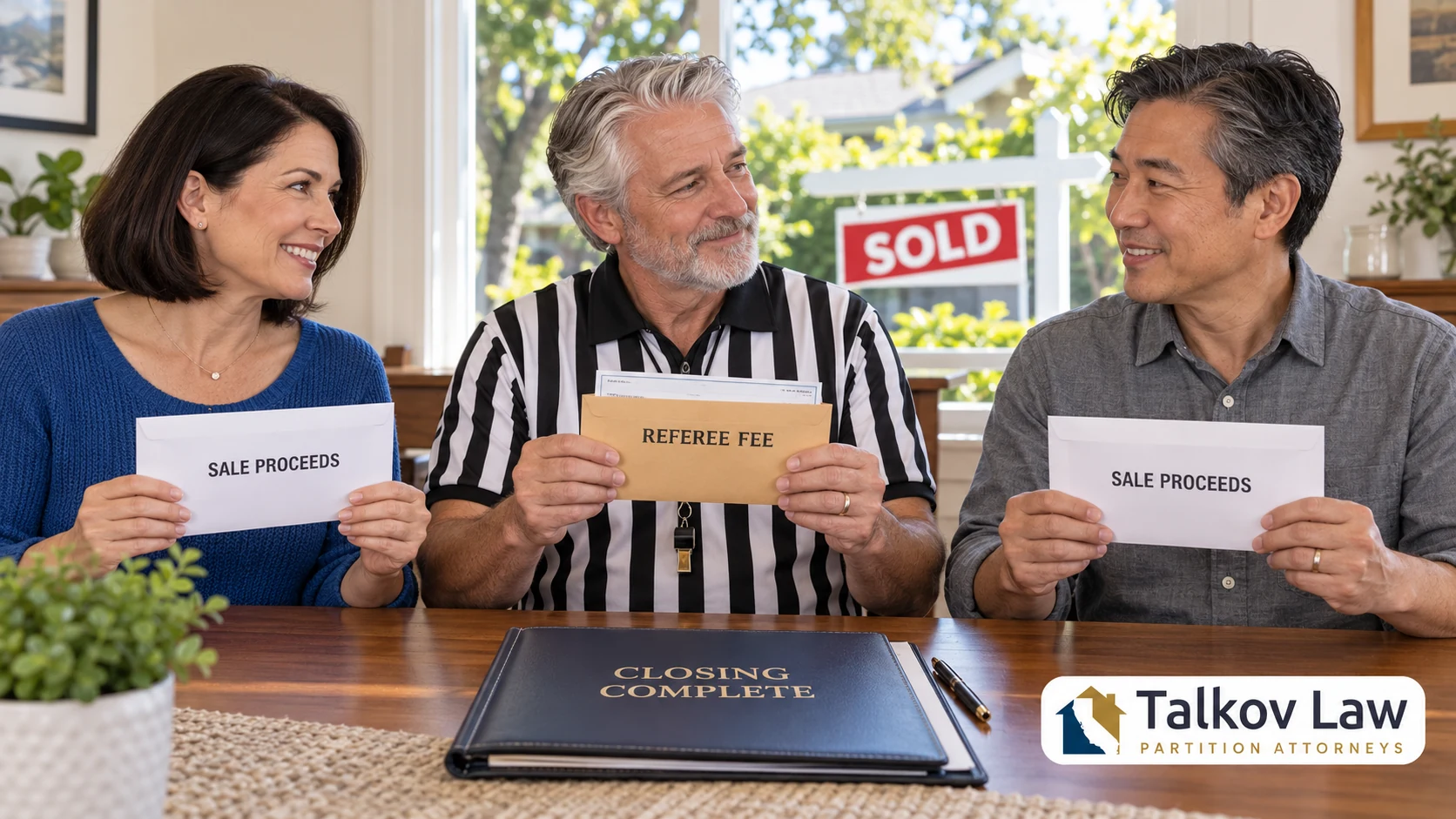
A partition referee is usually paid at the end of the case, typically from the sale proceeds at the same time the co-owners are paid.
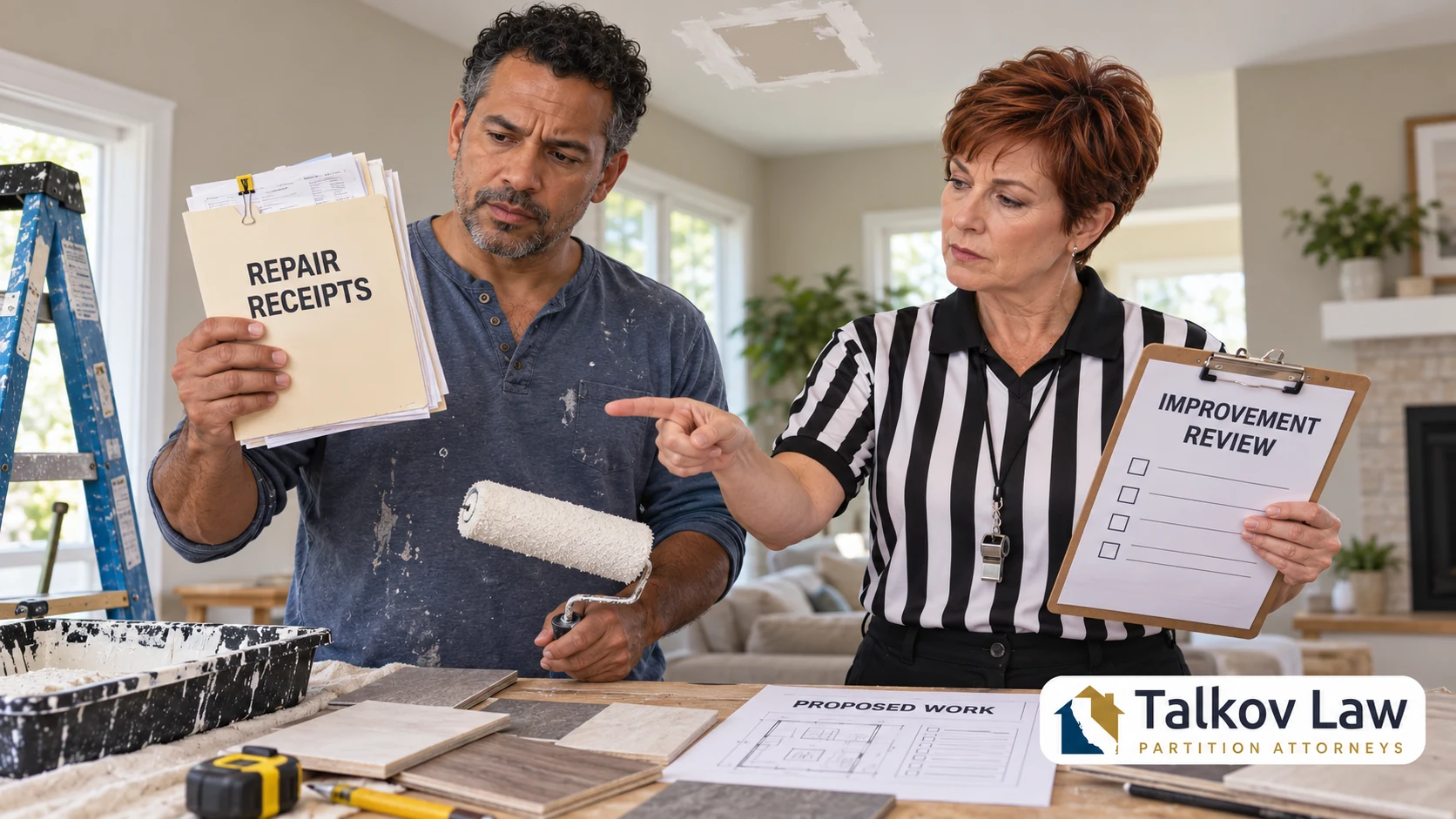
If you want to improve a co-owned property, timing matters. Here are the advantages and disadvantages of paying for improvements at each stage of a partition action.
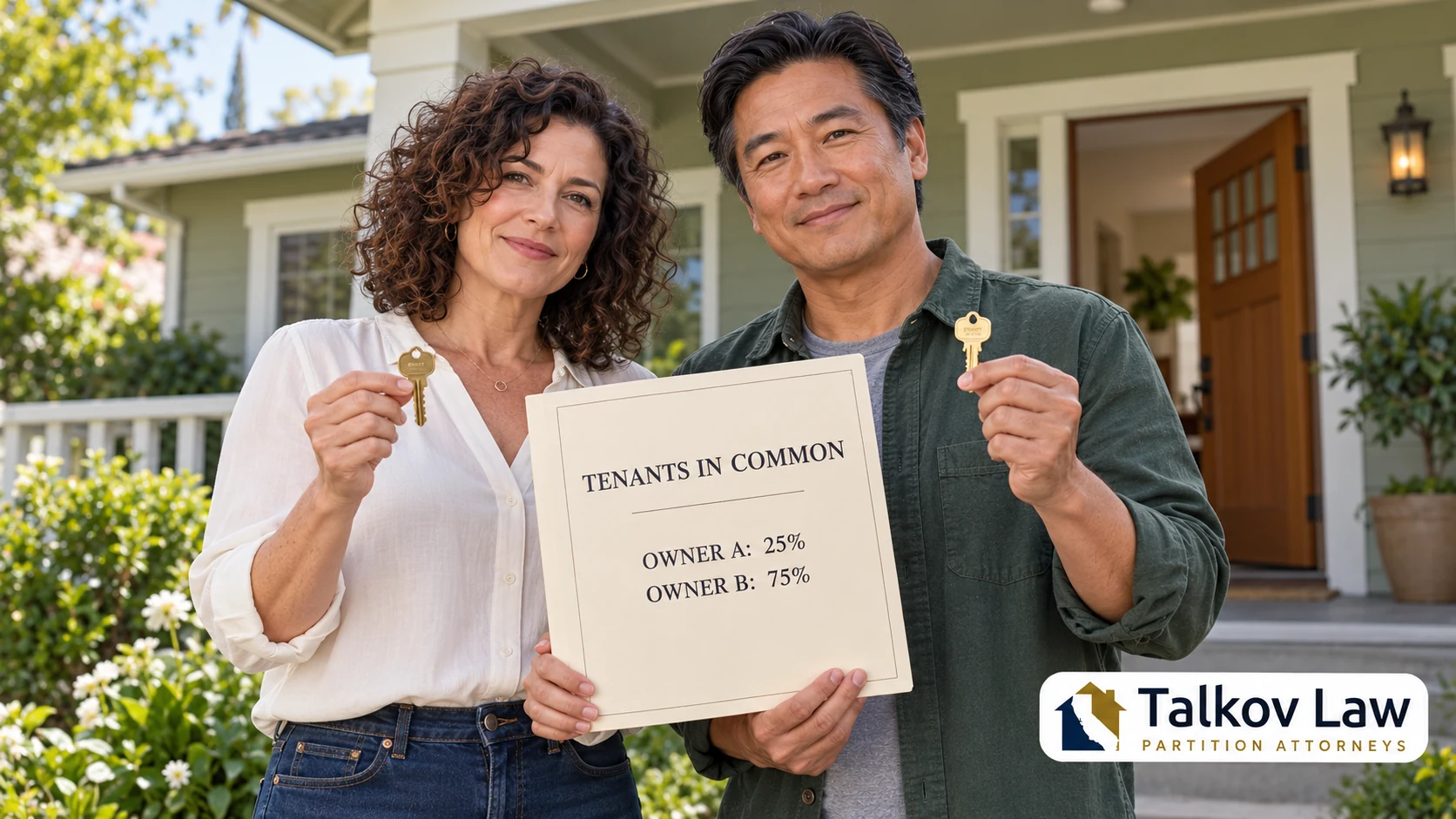
Tenancy in common is the most common and default form of co-ownership in California. Here is how it works and how it differs from joint tenancy.

A notice of private sale is a required notice in a partition action. Despite the name, it usually means the referee is marketing the property to the public to get fair market value.
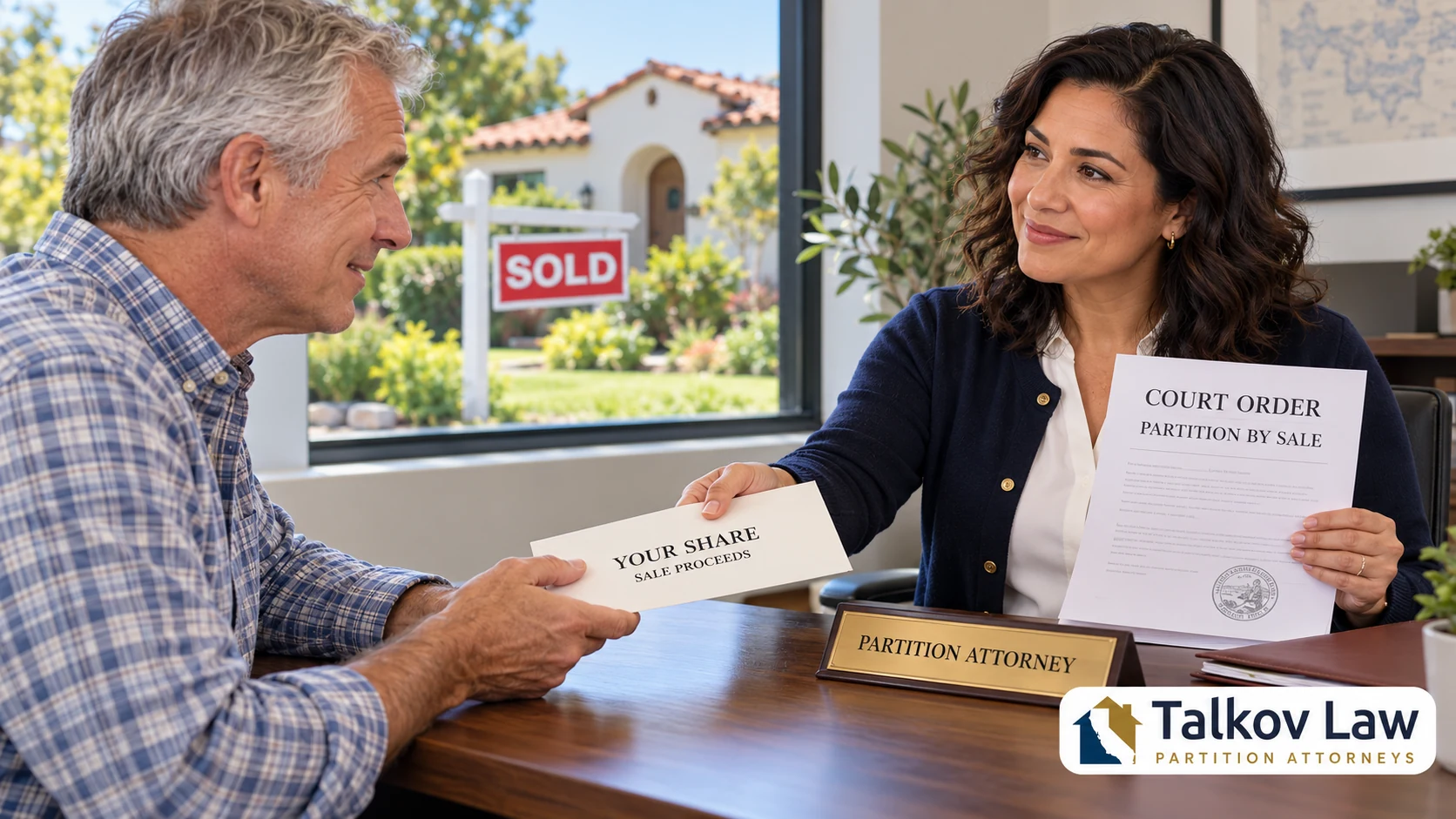
A partition lawyer represents co-owners of California property who can’t agree on whether to keep, sell, or buy out the property. The main tool is a partition action asking the court to order a sale or division.
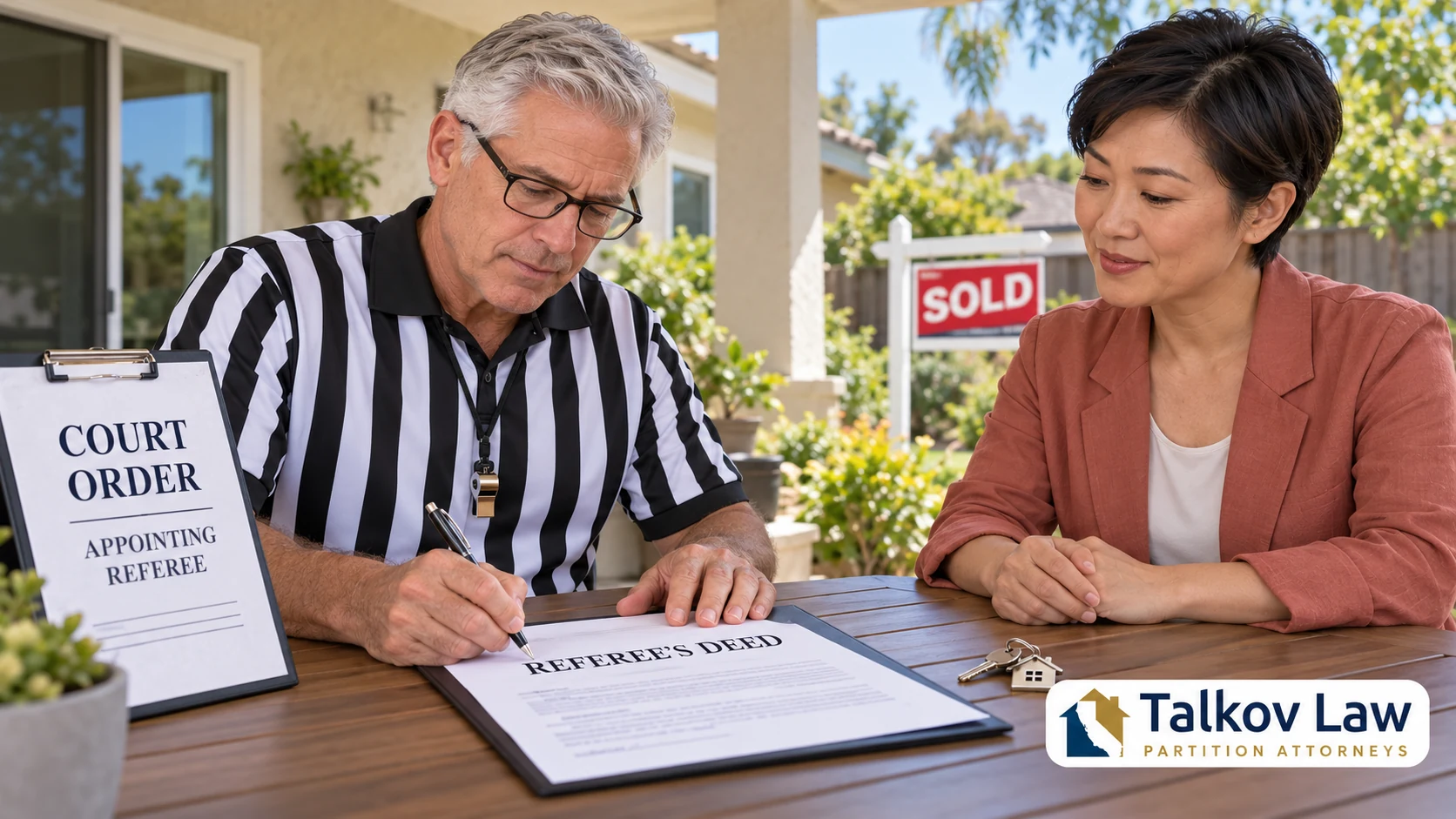
A California partition referee carries out a court-ordered sale or division of co-owned property. Learn what referees do, how they are selected and paid, and how a sale can proceed when a co-owner refuses to cooperate. Includes a California referee directory.
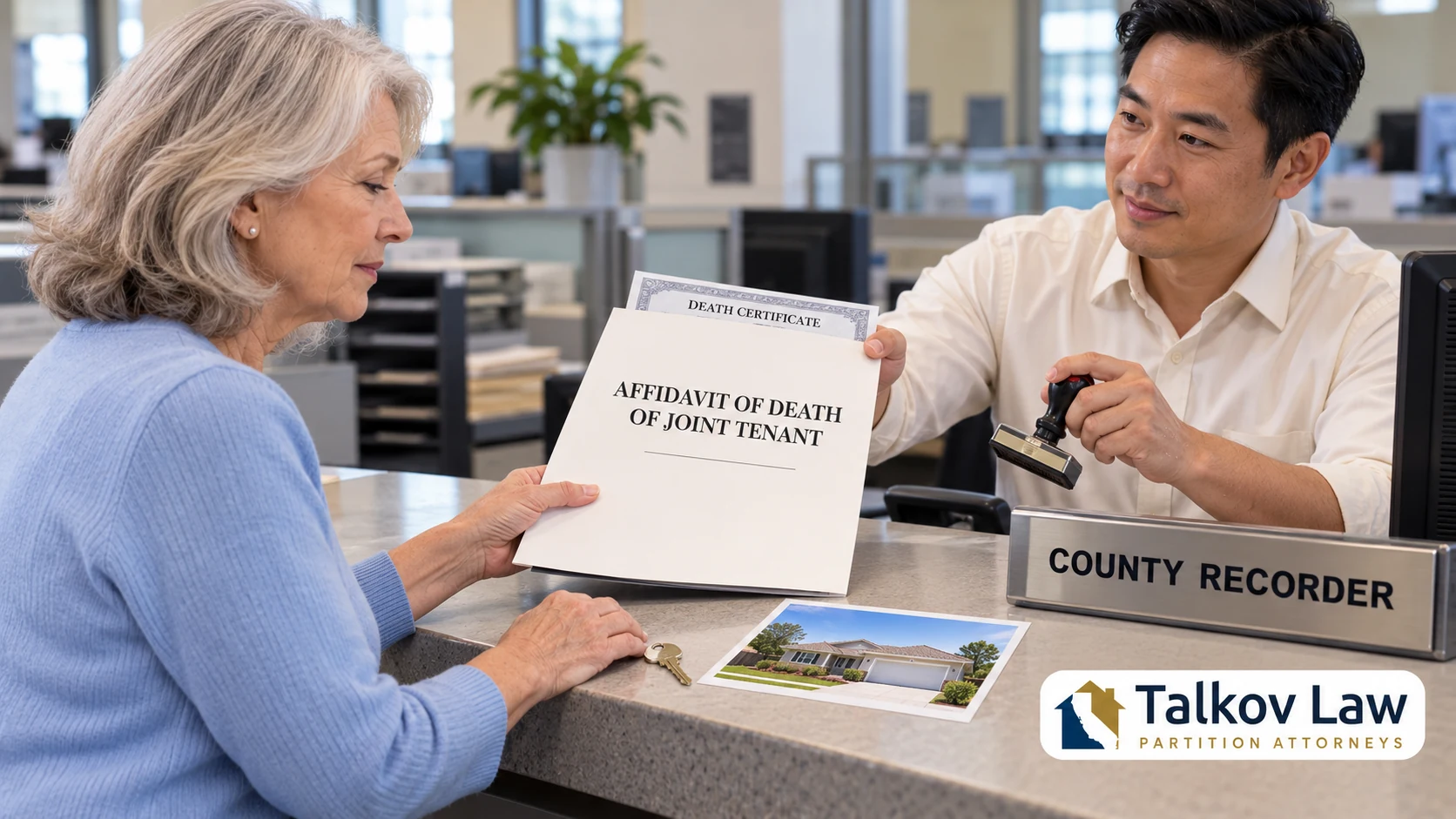
When a California joint tenant dies, the survivor takes their share by right of survivorship and records an affidavit of death to show the change in ownership. Here is how it works.
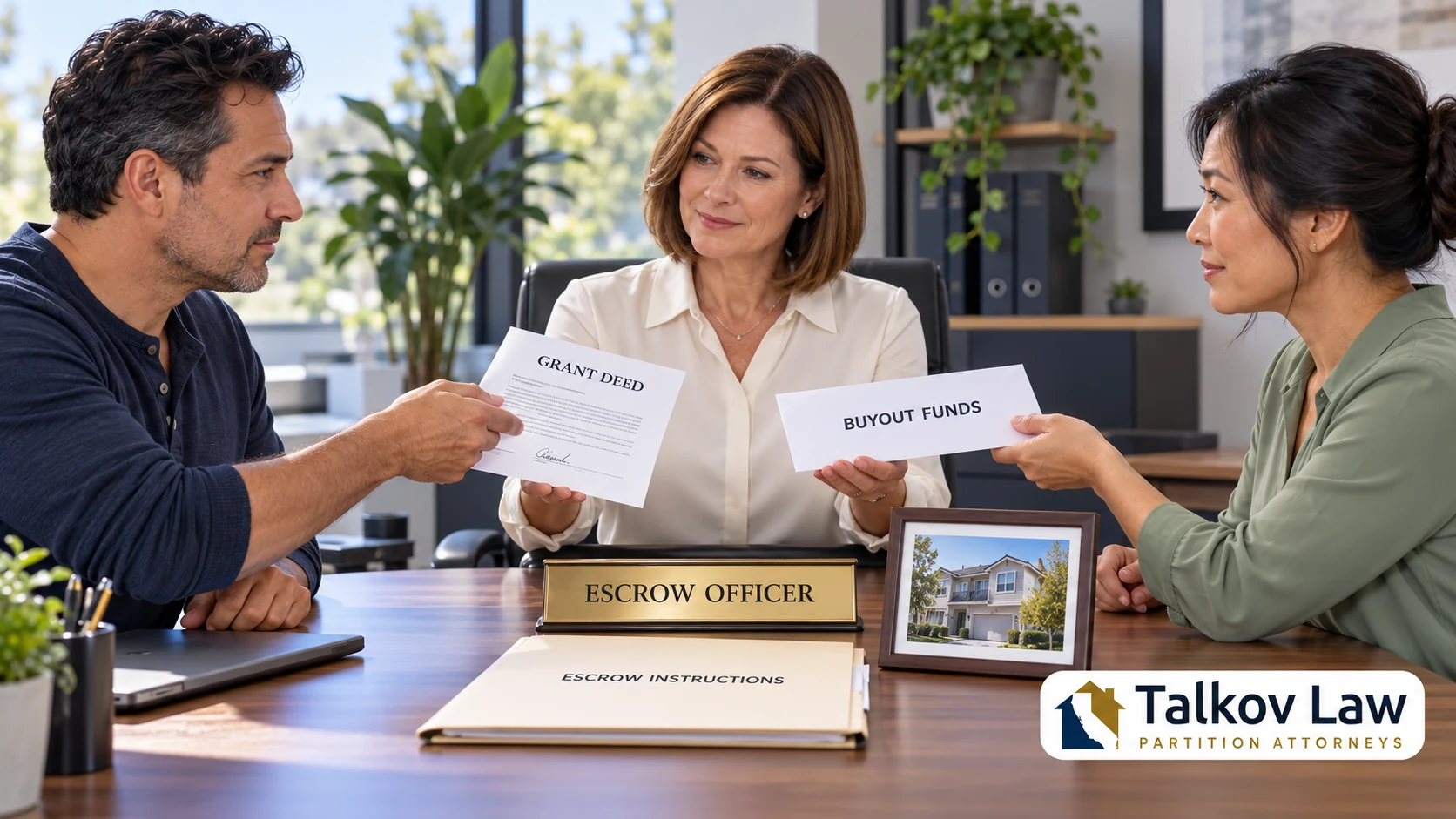
Use escrow to coordinate a California co-owner buyout. Review the price, liens, loan release, deed, closing deadlines, and protections if financing fails.
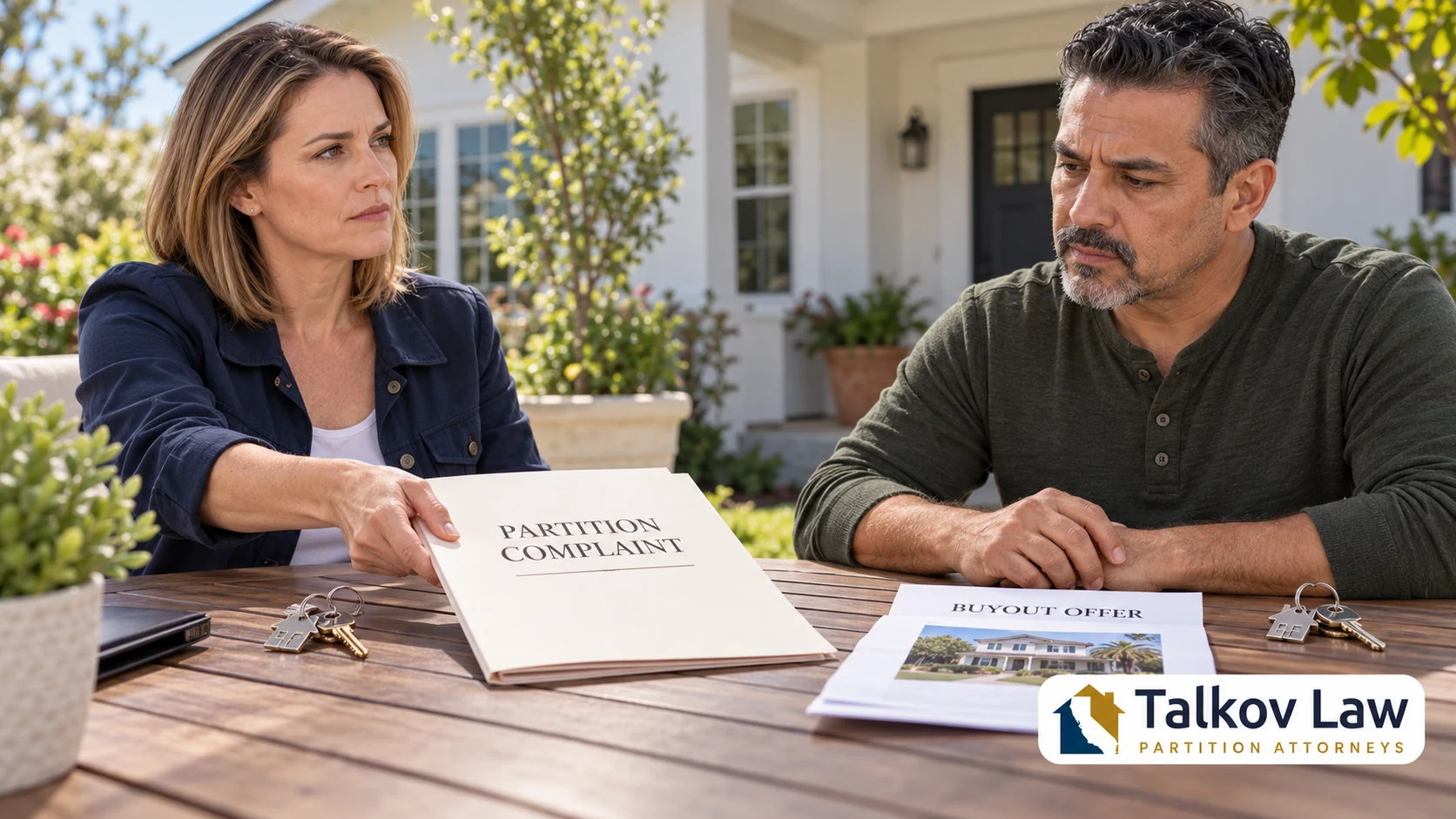
How assertive you need to be to force a sale or buyout depends mostly on how cooperative your co-owner is and how much money is at stake.
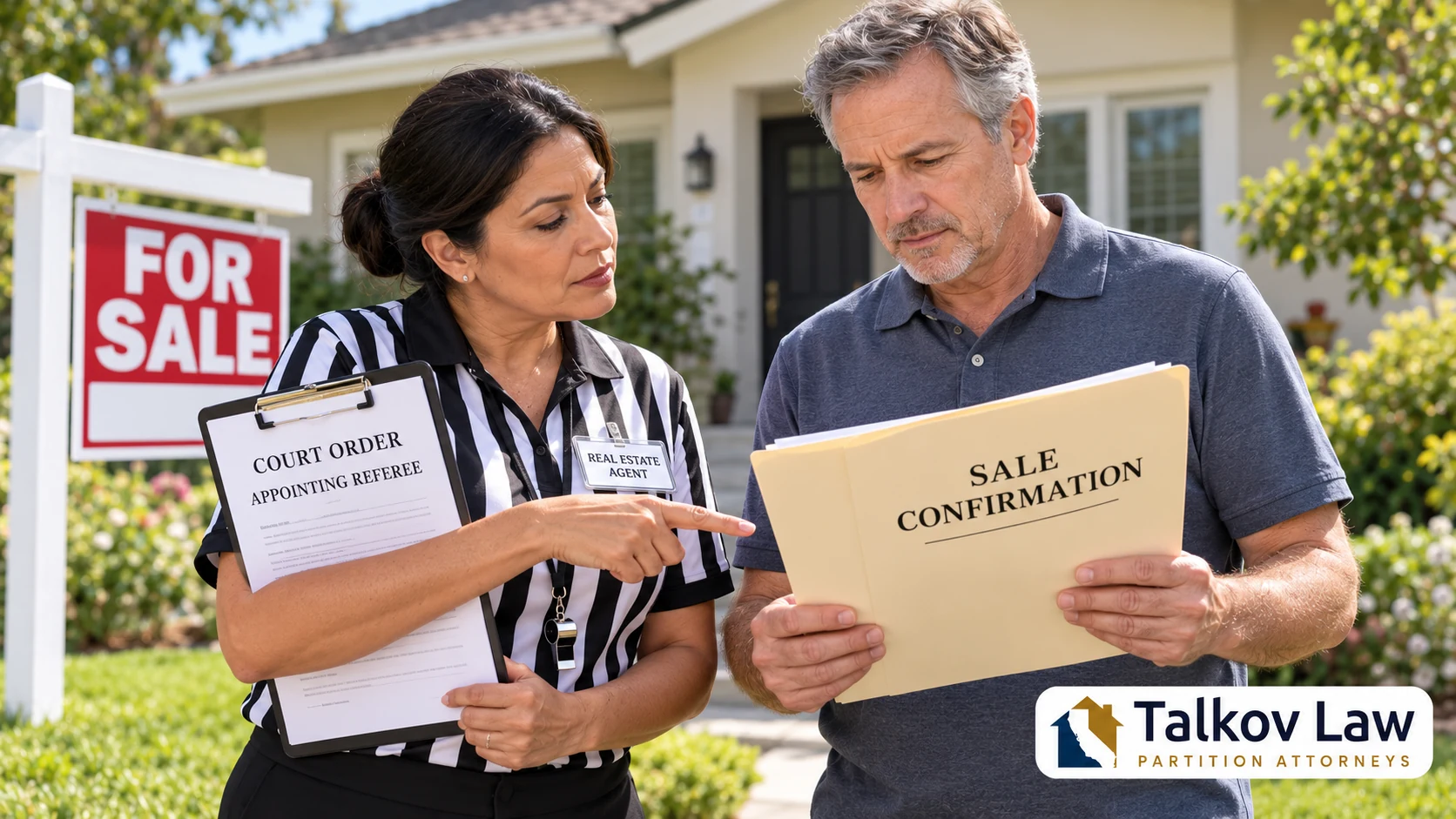
Yes, but it’s nuanced. A Realtor can serve as a partition referee, though the role involves more than listing the property, so co-owners should weigh the pros and cons.
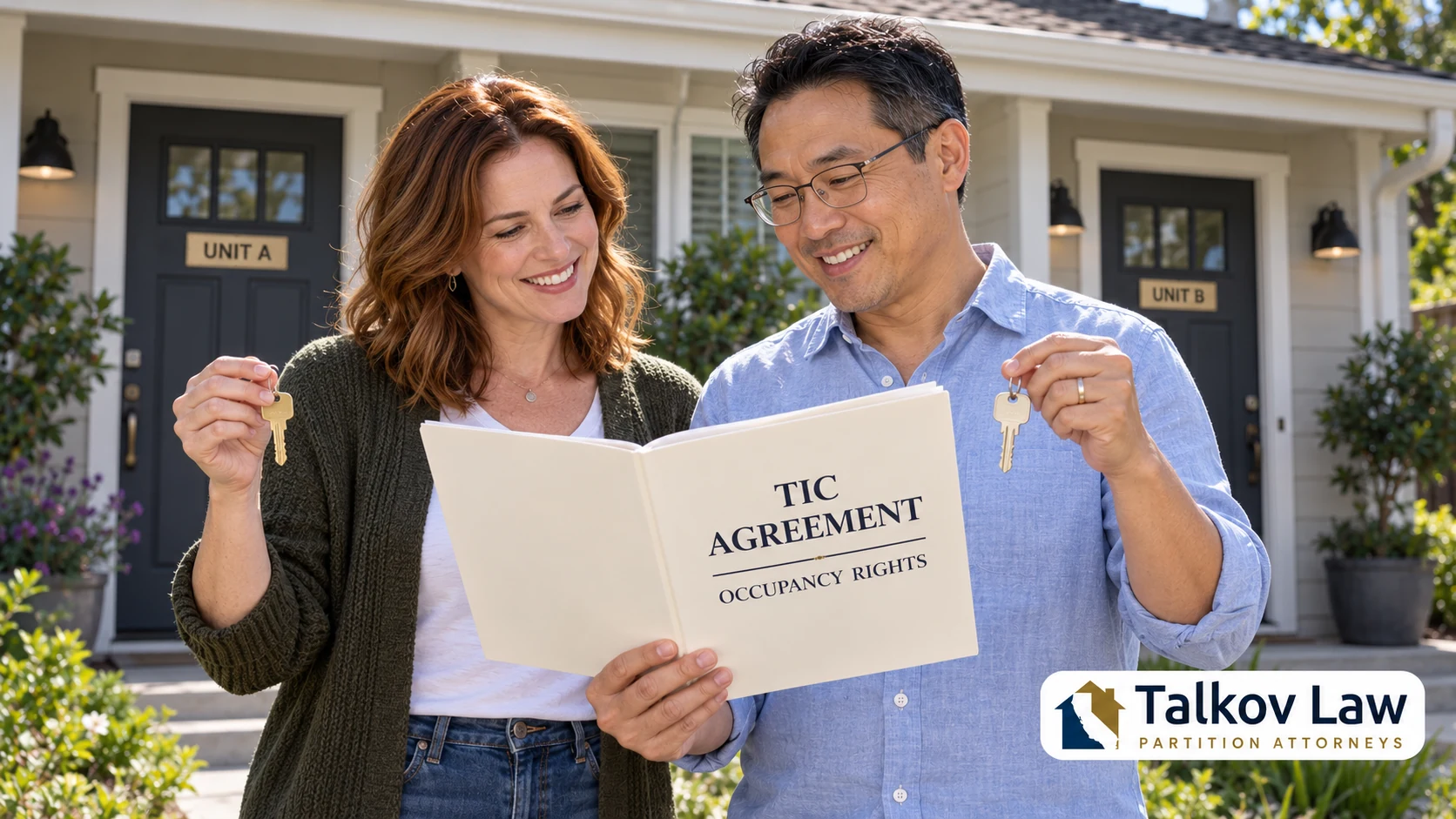
A tenants in common agreement lets unrelated co-owners share one property, often divided into separate units. Long popular in San Francisco, these agreements are spreading to Los Angeles.

A clear and marketable title is essential when property is sold in a partition action. Here is how title insurance protects the sale and the buyer.
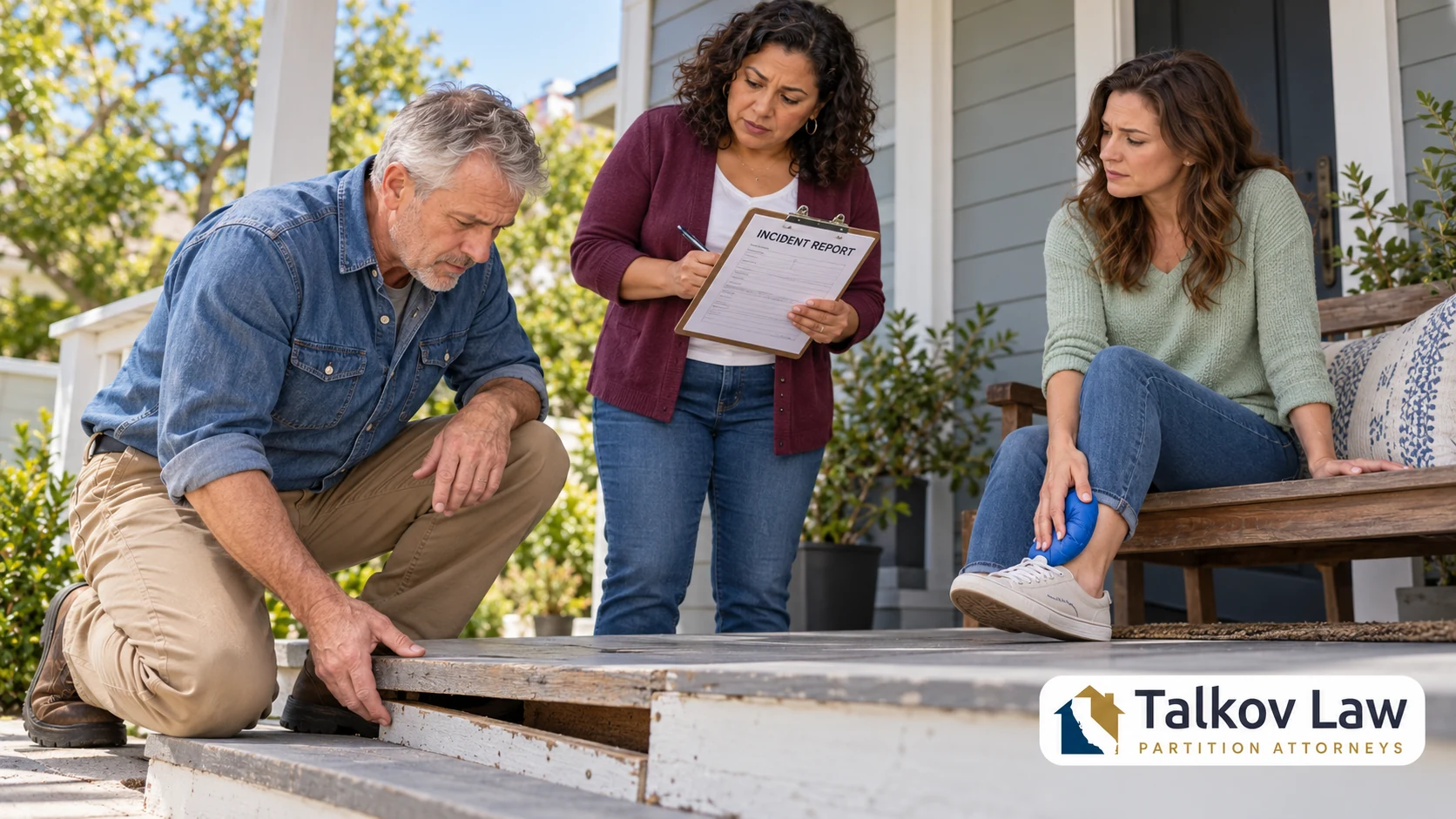
Co-owners are generally liable for injuries on jointly owned property, whether or not they caused the problem. Here is how to protect yourself.
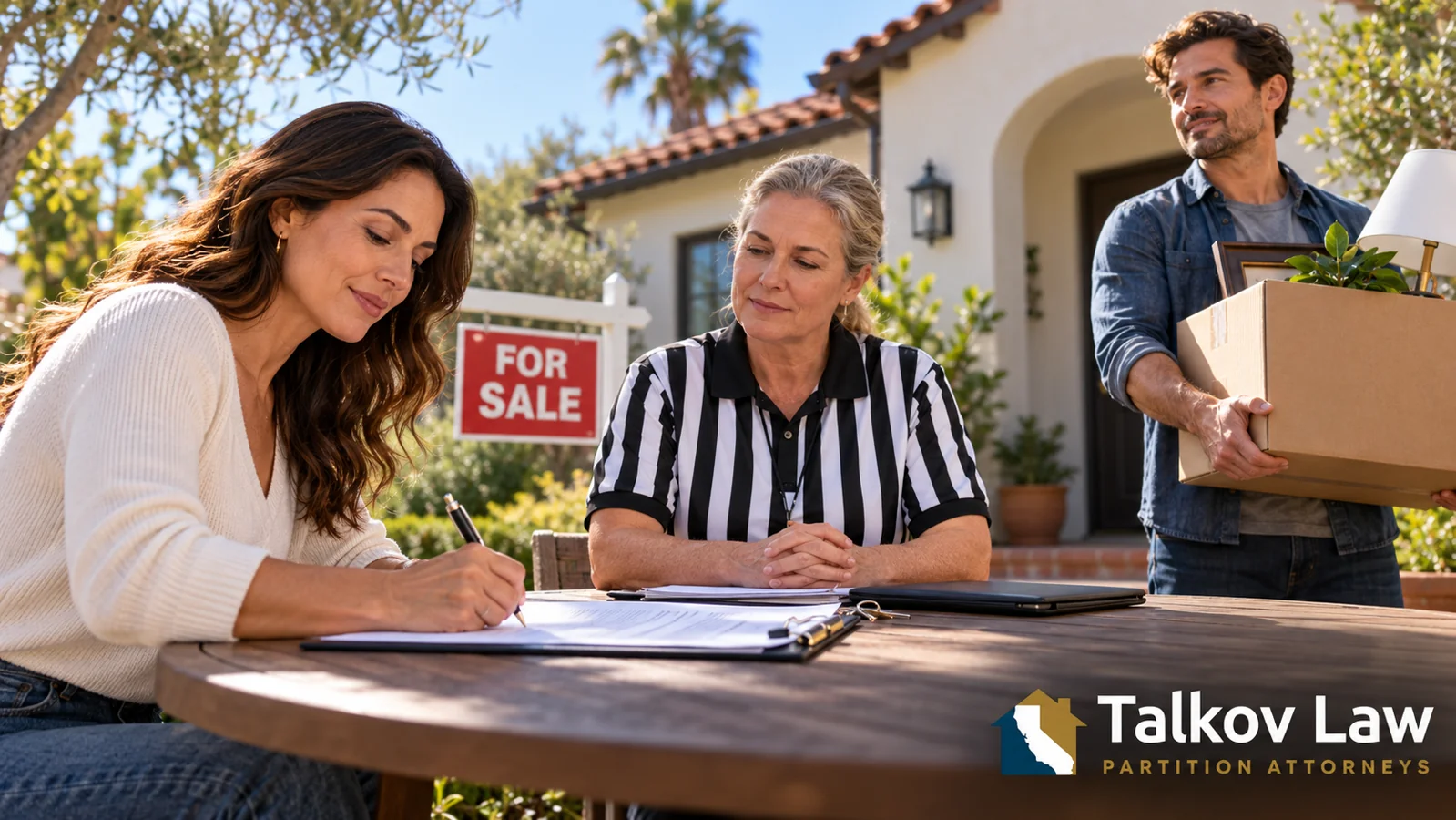
Yes. A co-owner can buy the other co-owners’ shares in a partition action, but the process follows specific state laws and court procedures.

Representing co-owners statewide. Find your nearest Talkov Law office.
Practical guides from attorneys who focus exclusively on California partition actions.
The information on this site, including the Talkov Law Blog, is intended for general information purposes only. By using this site, you agree that any information contained in the site does not constitute legal, financial or any other form of professional advice. Information on this site may be changed without notice and is not guaranteed to be complete, accurate, correct or up-to-date.







