Finance, Liens & Bankruptcy

Filter by type
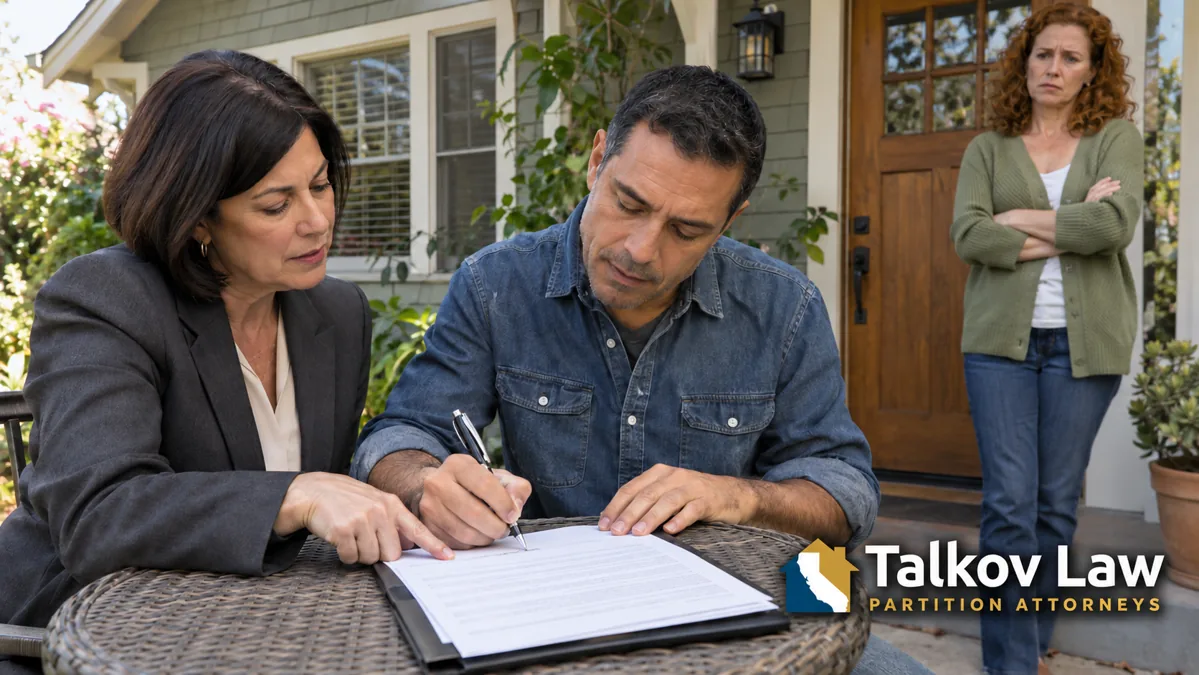
A co-owner signs loan documents with a lending professional while another co-owner stands apart with folded arms.

Zieve v. Dhindsa: A Co-Owner’s Loan Reaches Only Their Own Share

In Zieve v. Dhindsa, the California Court of Appeal confirmed that a co-owner can borrow against their own share without the others’ consent, but the loan reaches only that share, even in a foreclosure. The co-owner who never borrowed received 25 percent of the surplus.
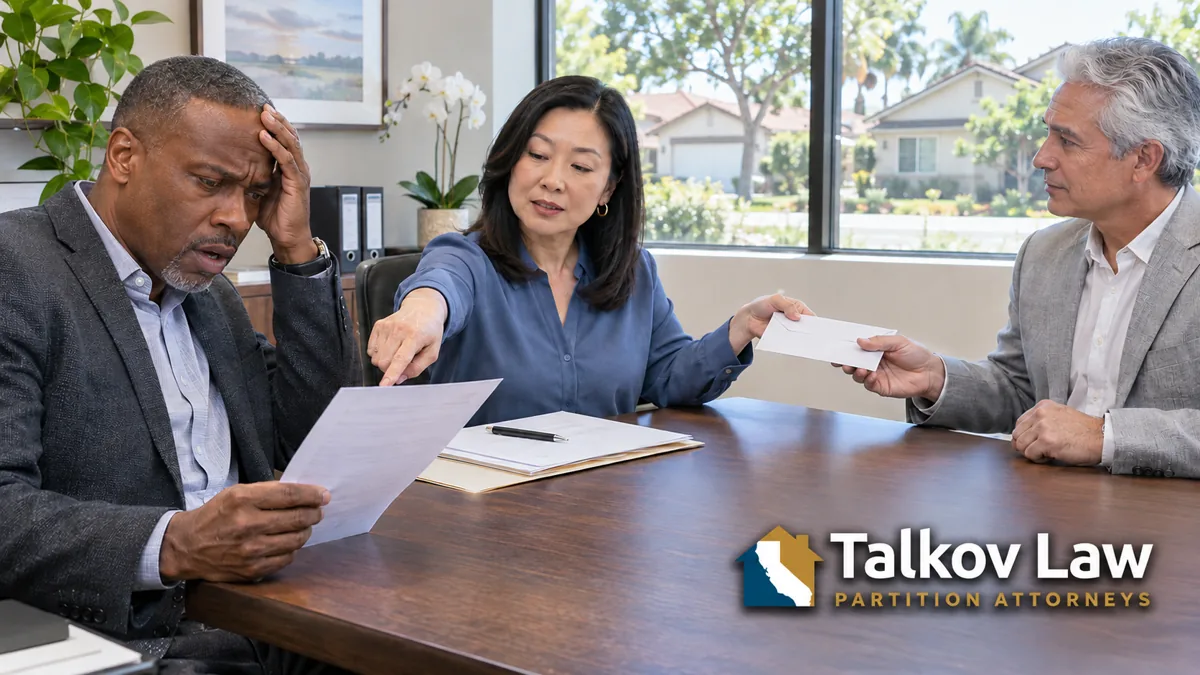
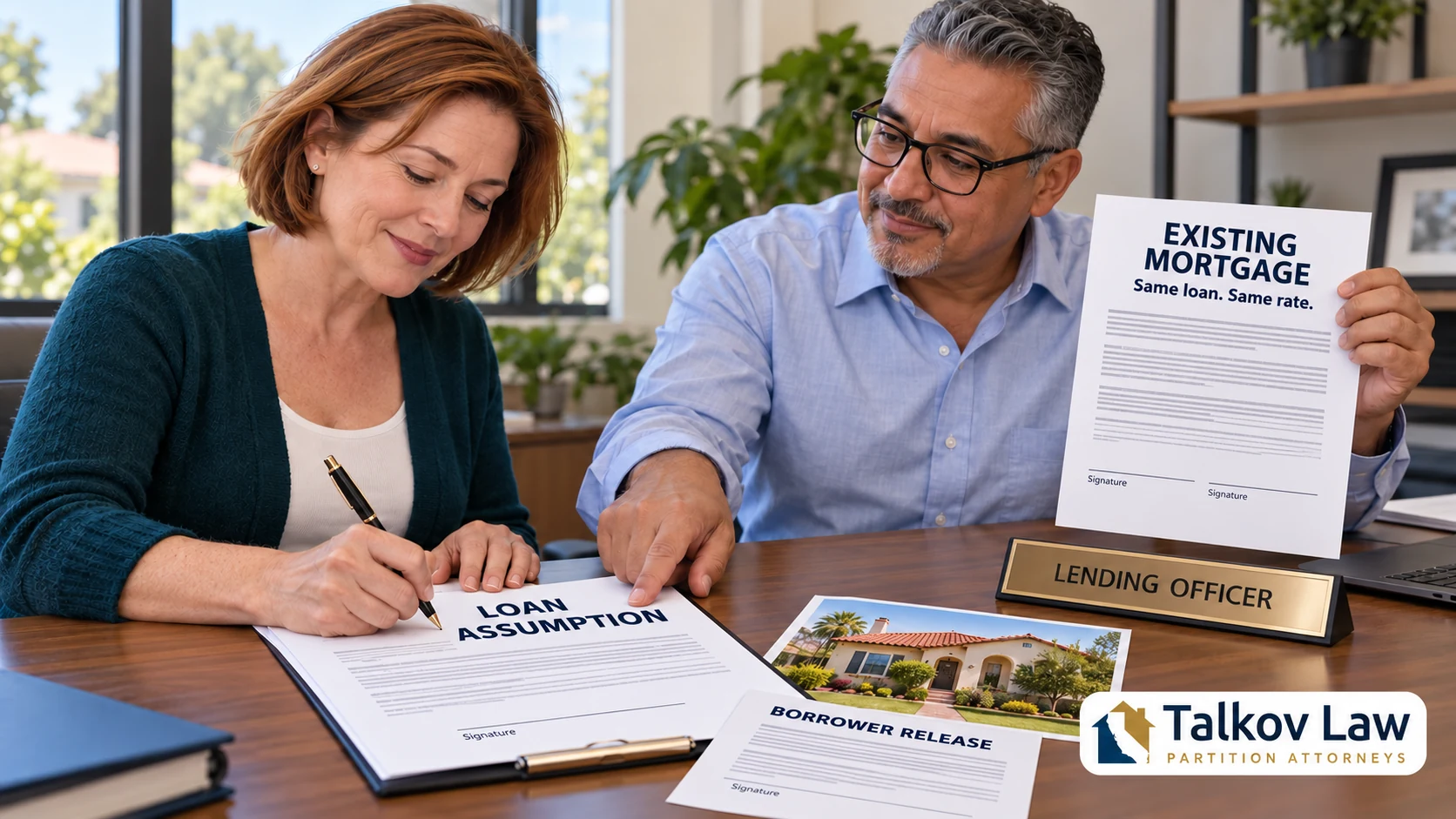
A homeowner reviews a loan assumption with a lending officer, keeping the existing mortgage while arranging a borrower release.

How to Remove Co-owner From a Mortgage

Being stuck on a mortgage with an uncooperative co-owner is hard. Here are the ways to separate yourself from the loan, including a refinance, a buyout, or a partition action.

A homeowner receives confirmation that the lender was paid from a completed partition sale.

Can a Partition Prevent a Foreclosure?

Foreclosure is especially hard when co-owners are in a partition action. An injunction may give co-owners a way to protect the property while the case moves forward.

Bankruptcy Basics: The Ultimate Bankruptcy Law Introduction — Talkov Law illustration

Bankruptcy When You Own Property With Someone Else

When a co-owner files bankruptcy, the trustee may sell the whole house, you may have the right to buy it first, and your share of the proceeds still needs protecting. Here is how it works in California.